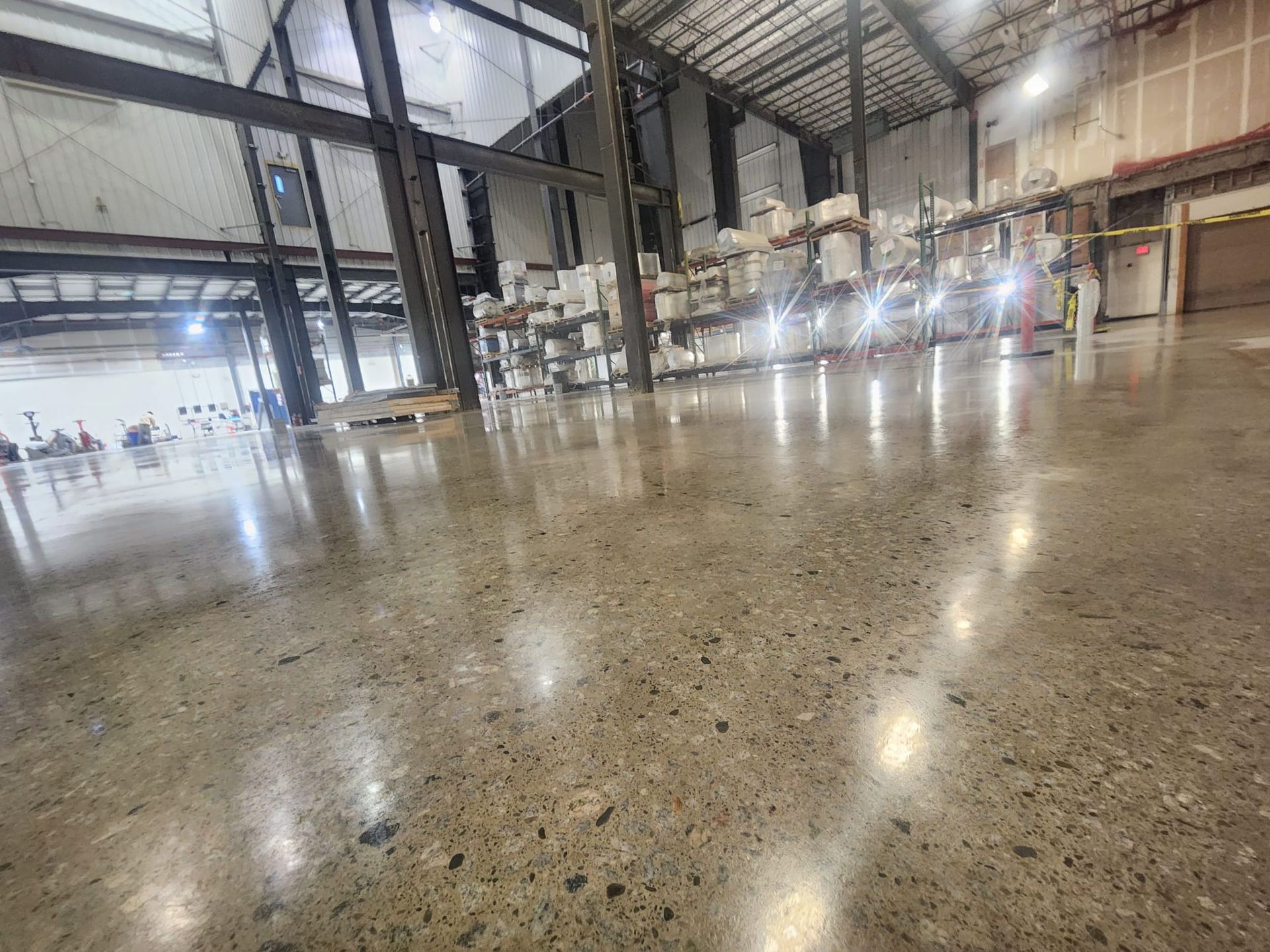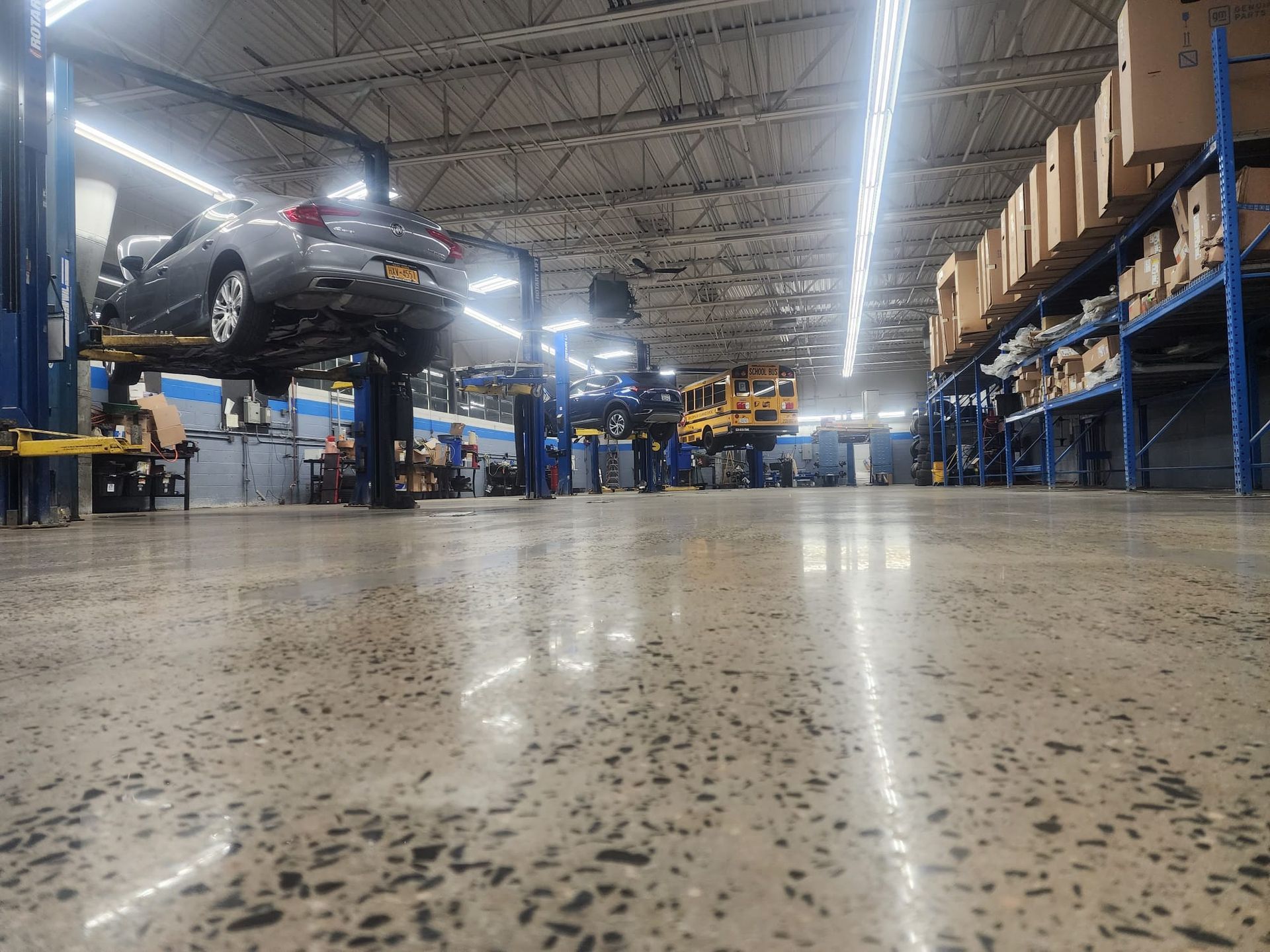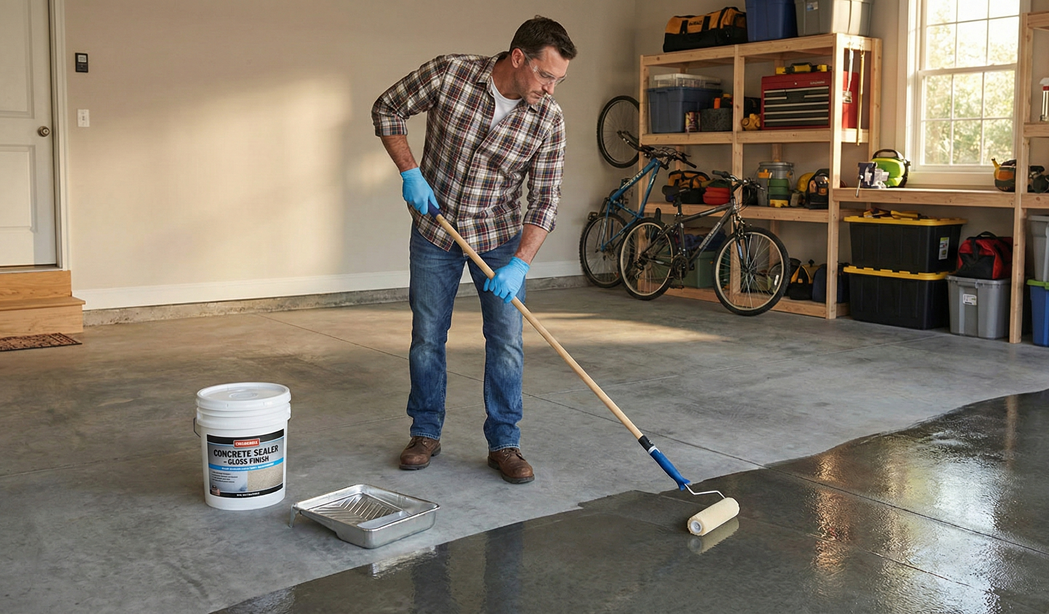
Urethane Cement Flooring vs Epoxy: Which Is Best for Your Project?
Selecting a high-performance floor coating for a commercial or industrial space can be overwhelming, given the wide range of options. Two names consistently rise to the top of the list for durability, longevity, and protection: epoxy and urethane cement. Both are robust, seamless systems that offer significant advantages over bare concrete, but they’re engineered for fundamentally different environments and challenges.
Concrete Refresh specializes in both systems, serving businesses from bustling commercial kitchens in East Brunswick to heavy-duty warehouses in Piscataway. We understand that choosing the right material is critical to the success and lifespan of your investment. The question is: urethane cement flooring vs epoxy—which is the best fit for your project?

The answer lies in a careful evaluation of your facility's operational demands, particularly concerning temperature, moisture, and chemical exposure.
What Is Epoxy Flooring?

Epoxy is a thermosetting resin that forms a rigid, durable plastic coating when mixed with a hardener. It is one of the most popular and versatile floor coatings available, offering an impressive balance of performance and aesthetics.
Key Strengths of Epoxy
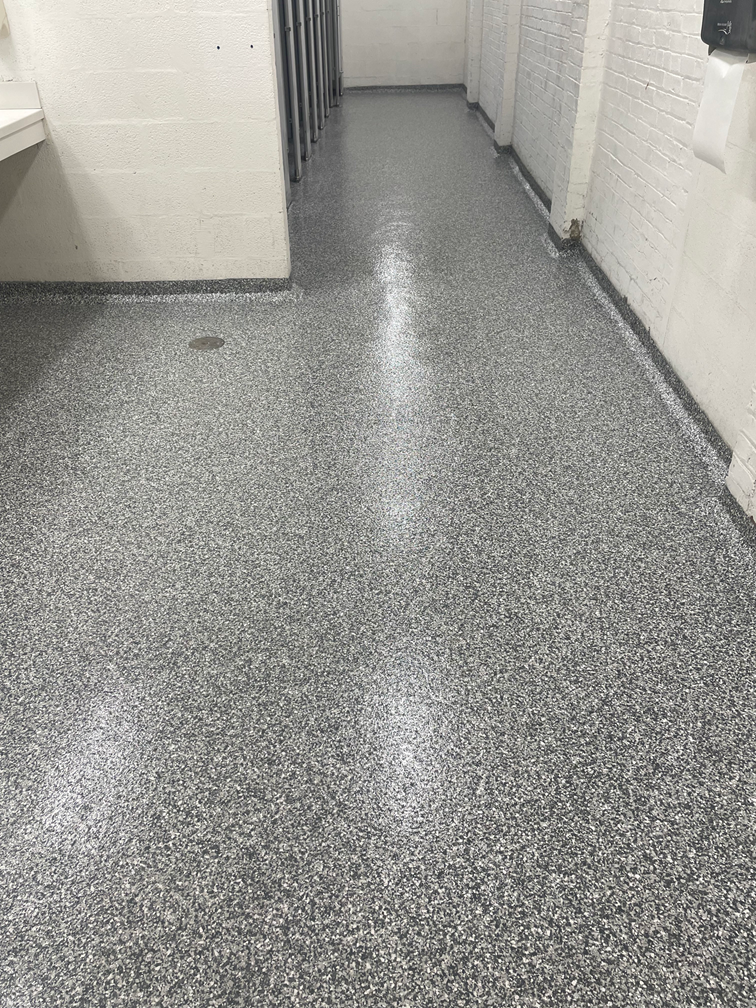
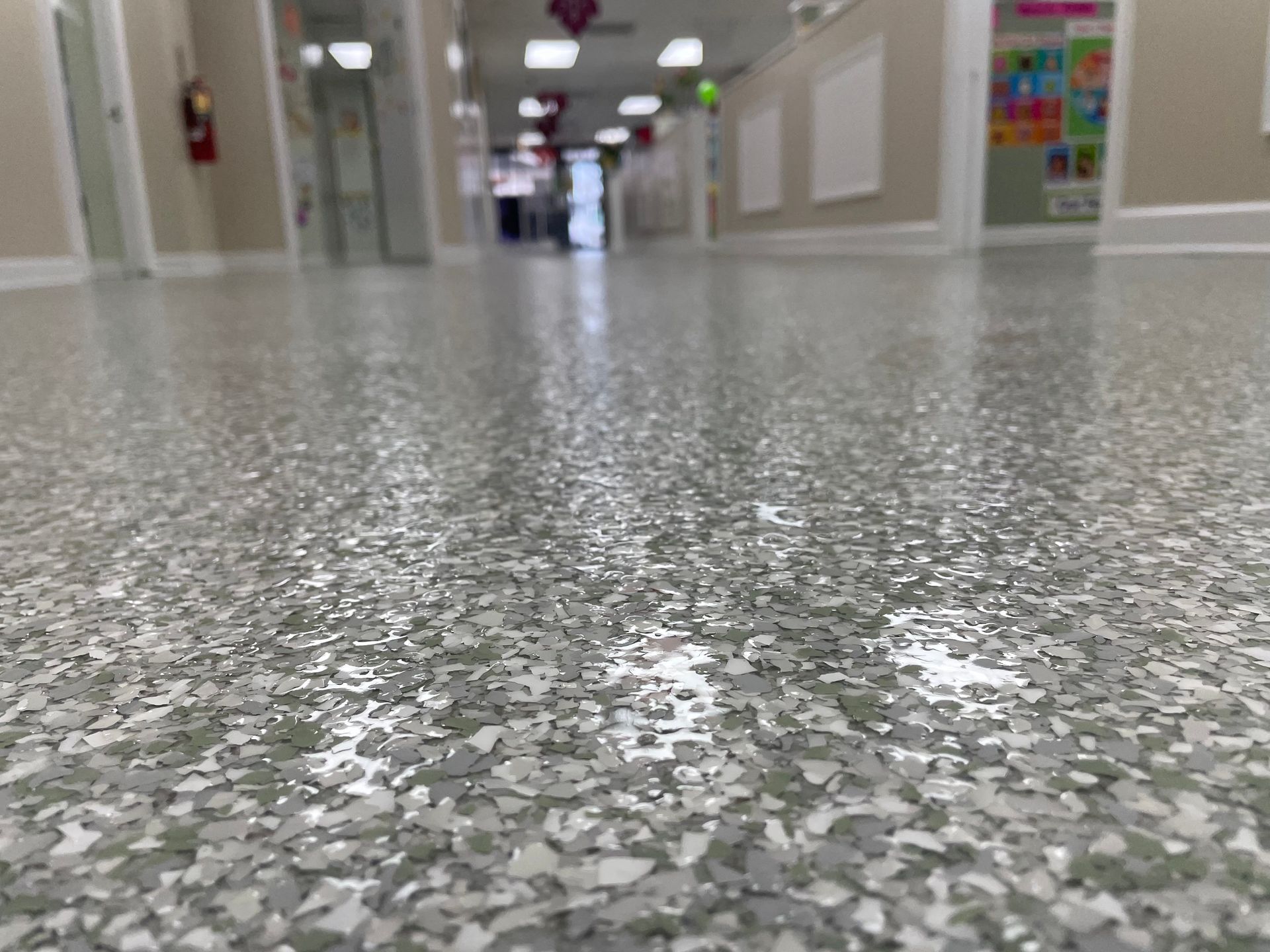
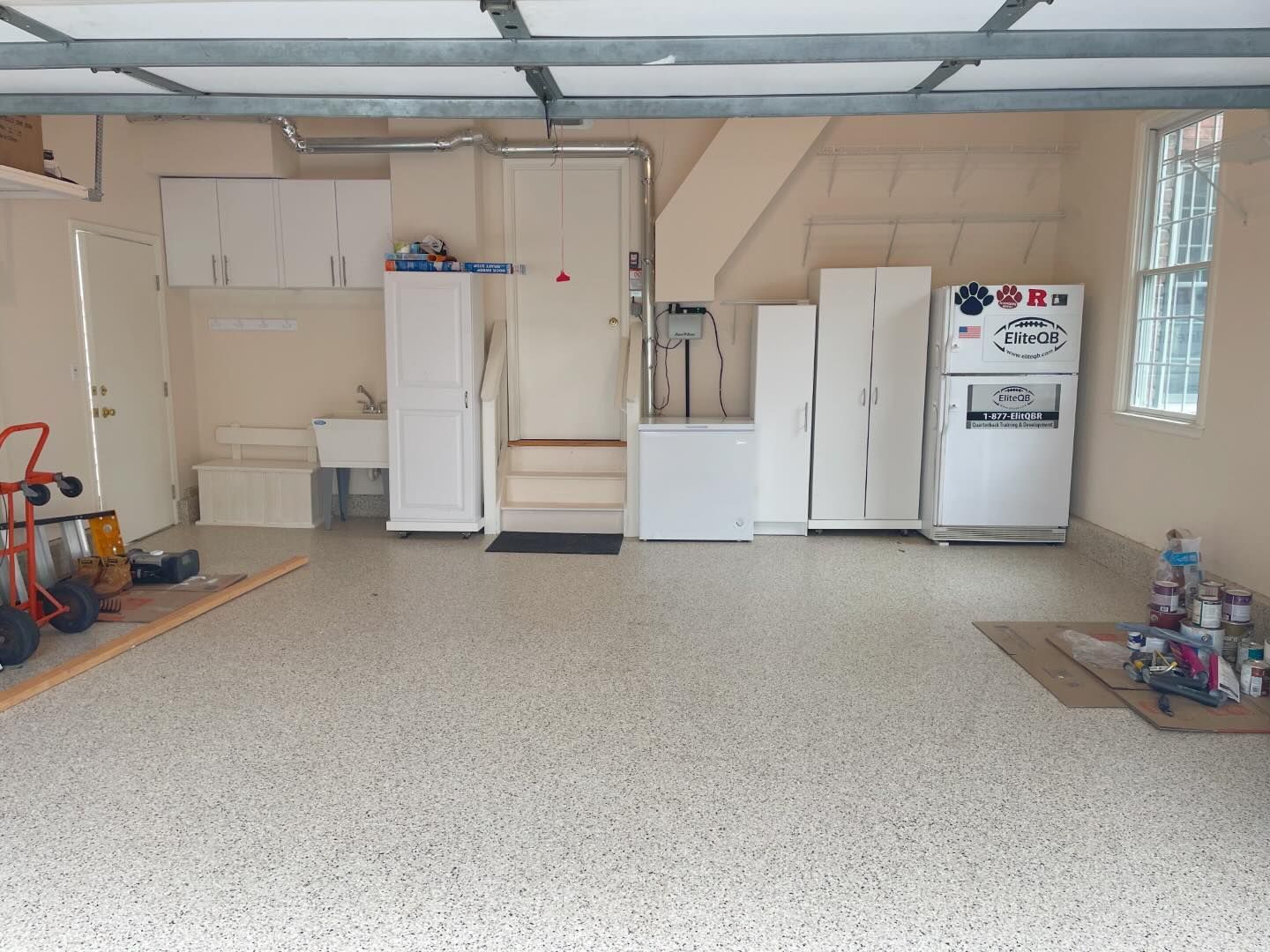
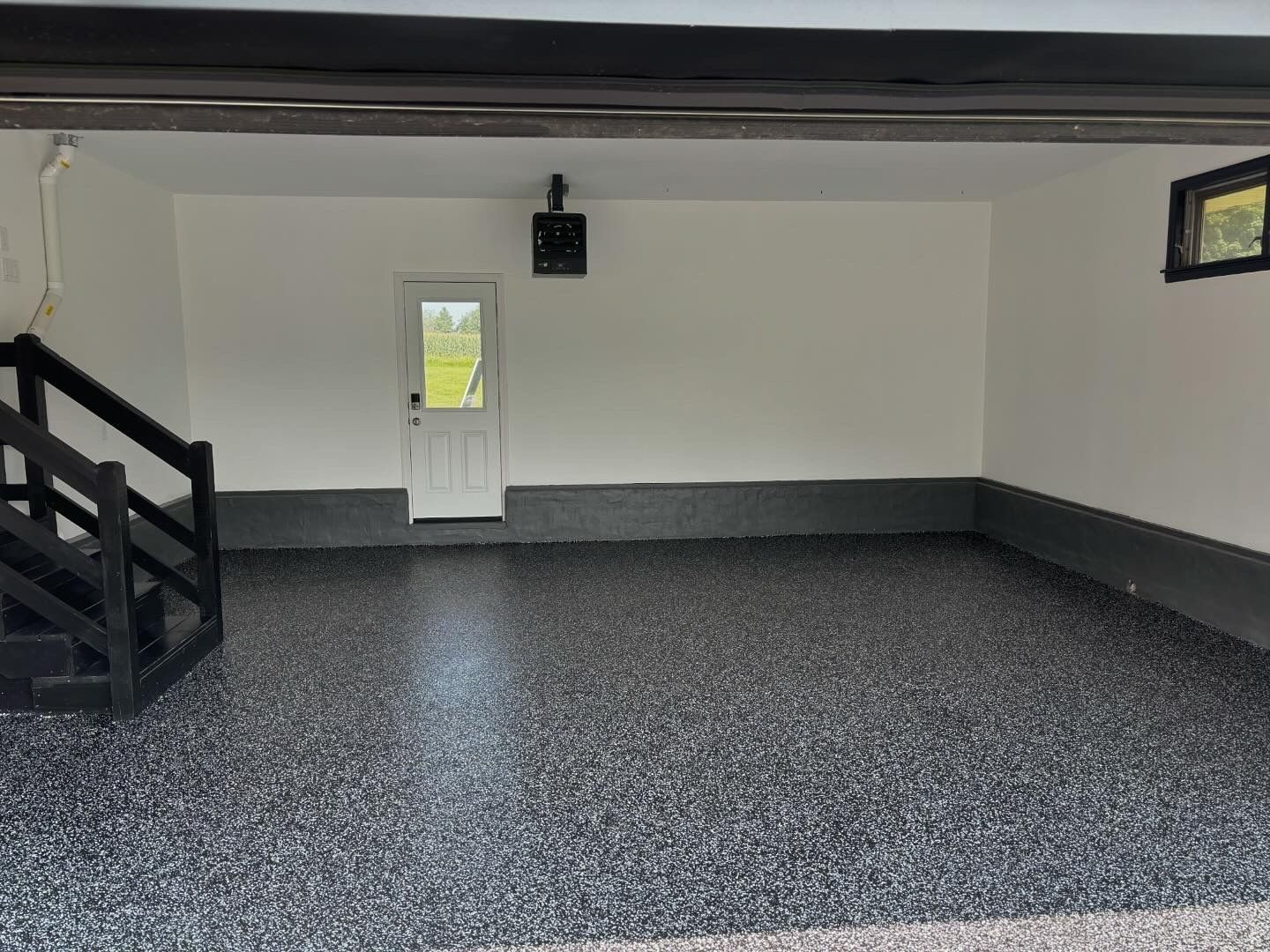
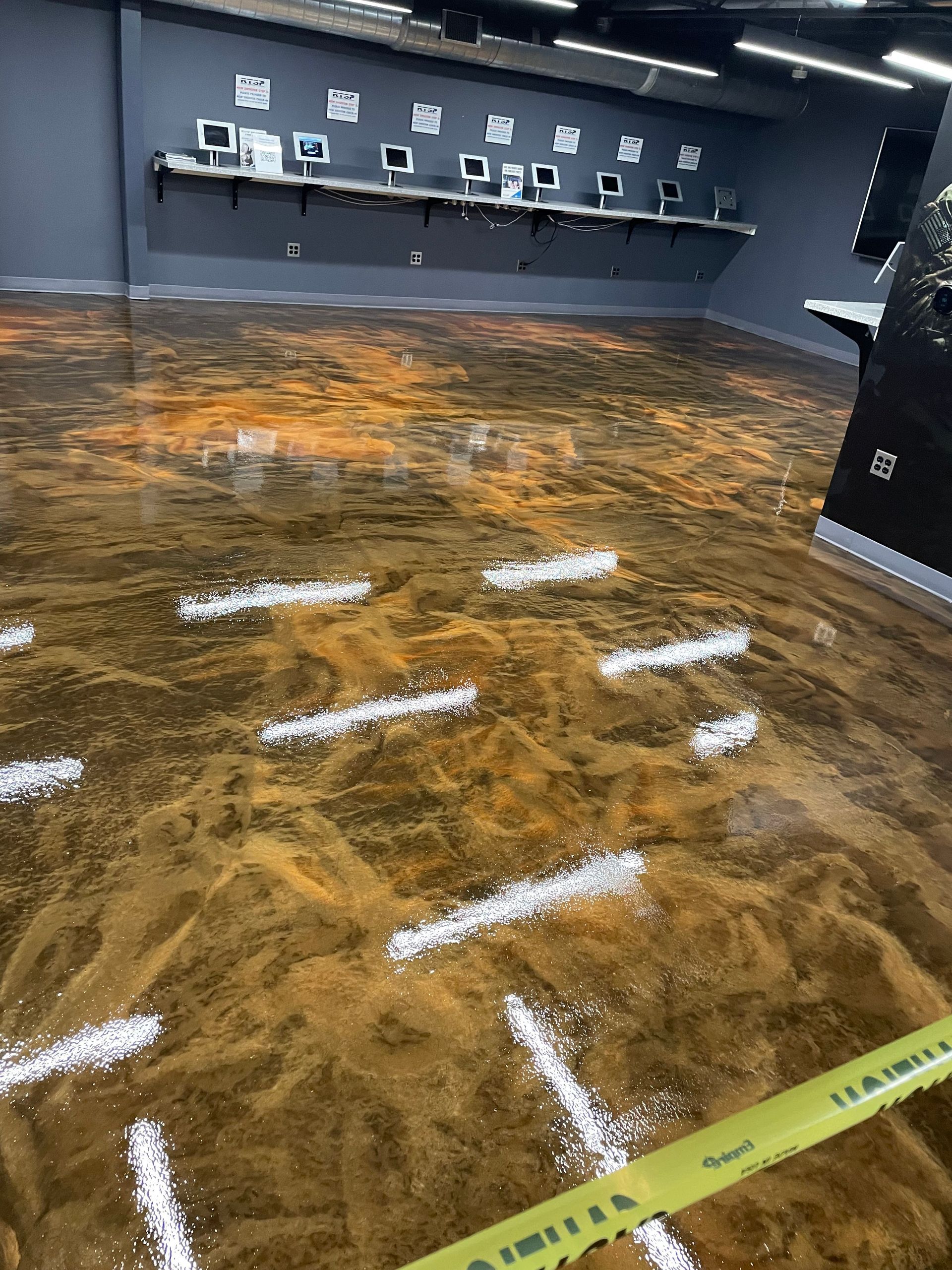
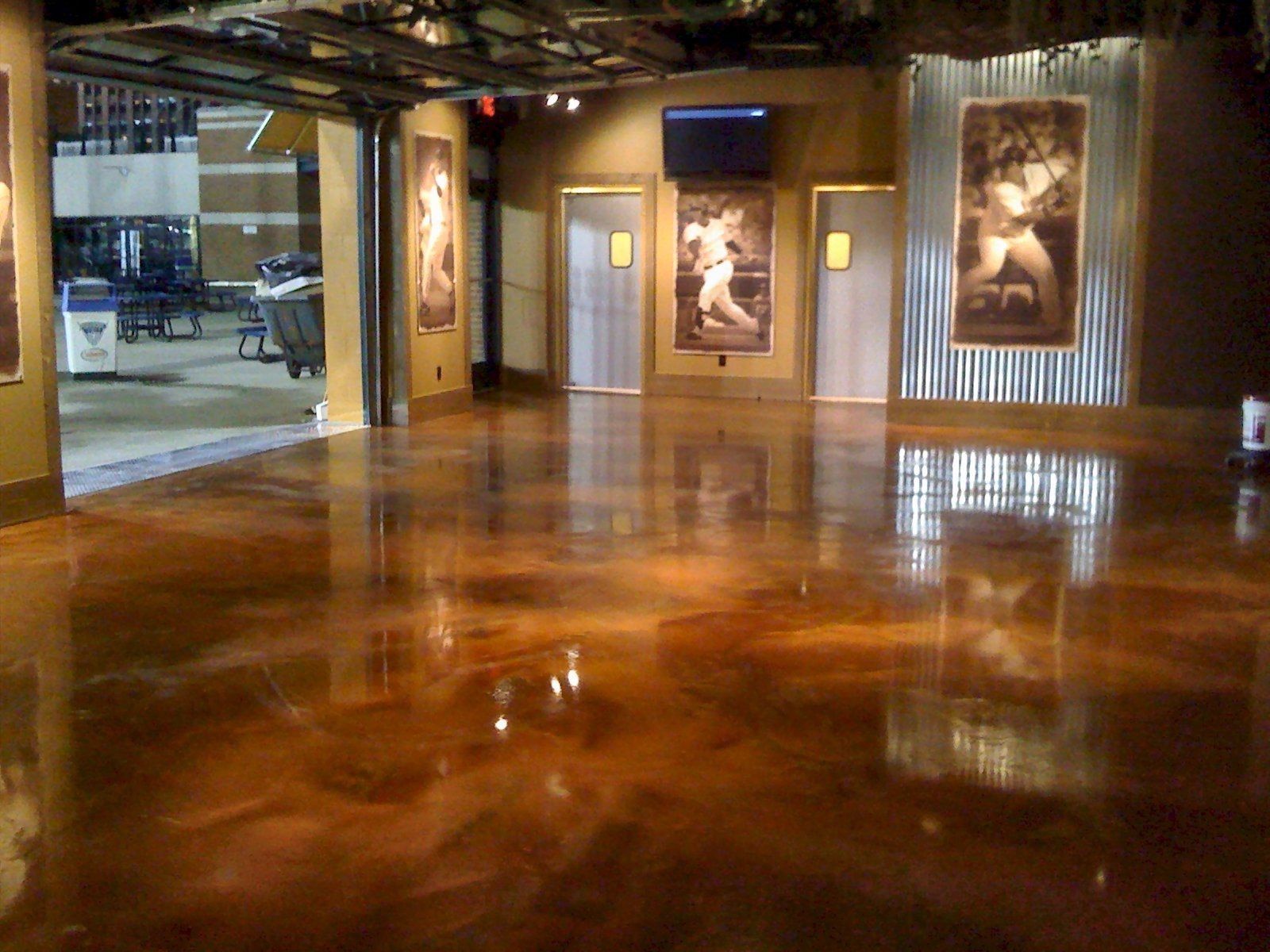
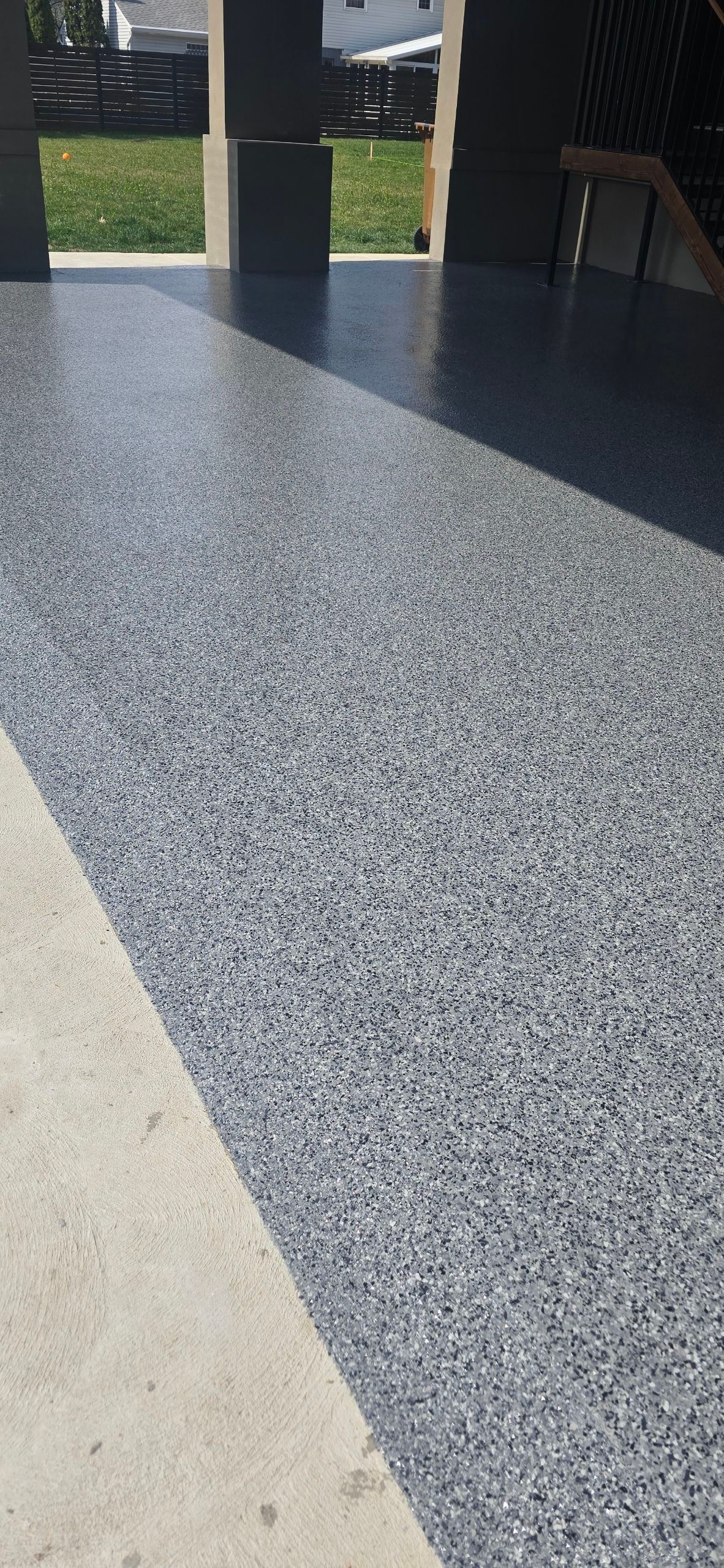
- Aesthetics: Epoxy is highly customizable. We can create stunning finishes, such as full-flake systems for garage floors, metallic epoxy for retail spaces, and decorative quartz systems for commercial showrooms.
- Chemical Resistance: It provides excellent resistance to a wide range of chemicals, oils, and cleaning agents, making it ideal for auto shops and light manufacturing.
- Durability: Epoxy offers high compressive strength and abrasion resistance, withstanding foot traffic and light-to-moderate vehicle traffic.
- Cost-Effectiveness: Generally, a standard epoxy system is more cost-effective than a urethane cement system.
Where Epoxy Excels
Epoxy is the perfect choice for environments where aesthetics are important and the primary threats are abrasion, impact, and general chemical spills. This includes:
- Residential and commercial garage floors
- Retail spaces and showrooms
- Office buildings and hallways
- Light manufacturing and assembly areas
What Is Urethane Cement Flooring?

Urethane cement, also known as polyurethane concrete or polymer concrete, is a heavy-duty, three-component system (resin, hardener, and aggregate powder) that is significantly different from standard epoxy. It is specifically formulated to withstand the most punishing environments imaginable.
Key Strengths of Urethane Cement
- Thermal Shock Resistance: This is the defining feature of urethane cement. It can handle rapid and extreme temperature fluctuations, from steam cleaning at 200°F to freezing temperatures, without cracking or delaminating. This is crucial for food and beverage facilities.
- Moisture Tolerance: Urethane cement is highly tolerant of moisture vapor transmission (MVT) in concrete slabs, making it a superior choice for older slabs or areas with high hydrostatic pressure.
- Impact Resistance: Its thick, trowel-applied nature gives it exceptional resistance to heavy impact from dropped tools, pallets, and heavy machinery.
- Antimicrobial Properties: Its seamless, non-porous nature, combined with its resistance to harsh cleaning, makes it inherently hygienic and often preferred in regulated environments.
Where Urethane Cement Excels
Urethane cement is the industrial workhorse, designed for facilities that operate under extreme conditions. This includes:
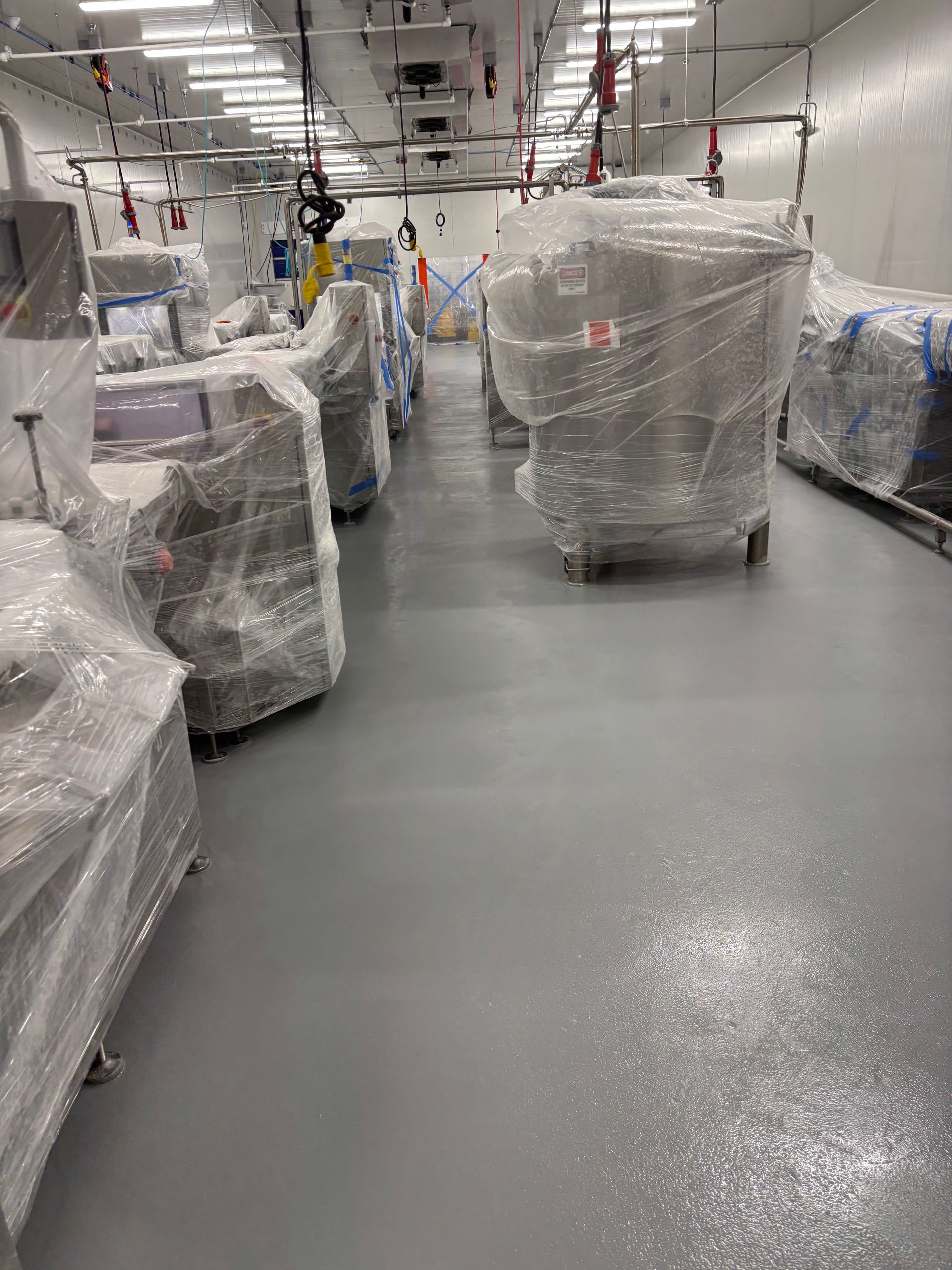
- Commercial kitchens and food processing plants
- Beverage bottling and brewing facilities
- Chemical processing and pharmaceutical plants
- Freezers and cold storage areas
Direct Comparison: Epoxy vs. Urethane Cement

To help our Central New Jersey clients make an informed decision, we summarized the key differences between these two high-performance coatings:
| Feature | Epoxy Flooring | Urethane Cement Flooring |
|---|---|---|
| Primary Composition | Thermosetting resin and hardener | Resin, hardener, and aggregate powder |
| Aesthetic Options | High (Flake, Metallic, Solid Color) | Low (Typically solid, matte finish) |
| Thermal Shock Resistance | Poor (Can crack/delaminate) | Excellent (Withstands extreme temperature swings) |
| Moisture Tolerance | Low (Requires extensive moisture testing) | High (Tolerates high MVT) |
| Thickness | Thin to moderate (10–30 mils) | Thick (1/8" to 3/8" or more) |
| Cure Time | Faster (Light traffic in 24 hours) | Slower (Can take 3–7 days for full cure) |
| Ideal Environment | Residential, Retail, Light Industrial | Food & Beverage, Chemical, Heavy Industrial |
Get a Tailored Flooring Solution With Concrete Refresh

When clients ask us about urethane cement flooring versus epoxy, we advise them based on a simple principle: epoxy is for protection and beauty, while urethane cement is for extreme durability.

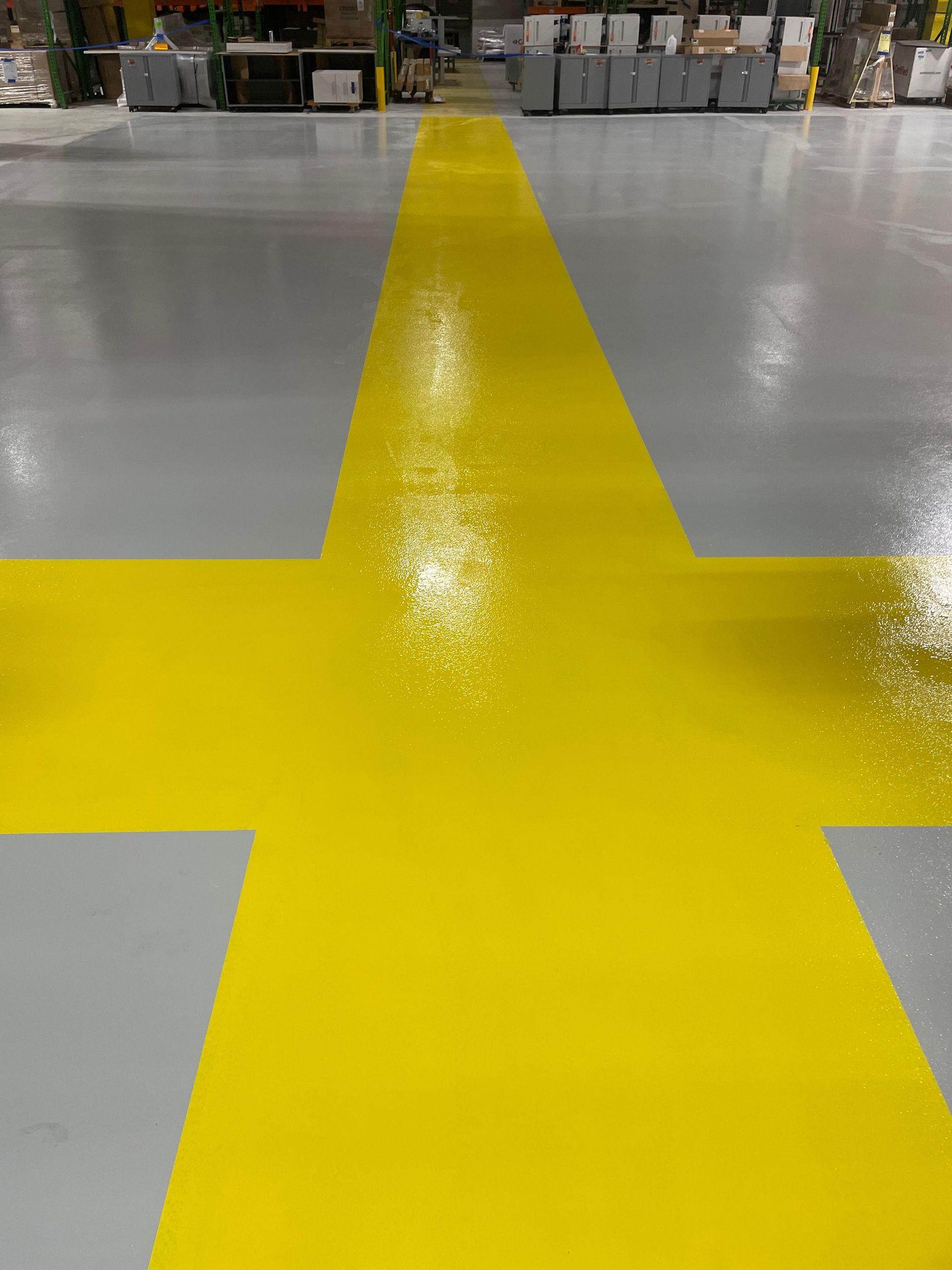
Whether your facility is a standard warehouse, a retail space, or a residential garage, a high-quality epoxy system delivers the perfect blend of durability and visual appeal. It is a proven, reliable, and cost-effective solution.
However, if your facility involves frequent washdowns, steam cleaning, or exposure to organic acids and extreme temperatures, urethane cement is the only system we recommend. Its ability to handle thermal cycling and high moisture is unmatched, ensuring your floor remains intact and compliant with health and safety regulations for years to come.
Choosing the wrong system can lead to premature failure, costly downtime, and non-compliance. Trust the experts at Concrete Refresh to assess your needs and recommend the ideal coating. Call us at (908) 208 3698 or
send us a message.

The post Transform Your Space with Epoxy Flooring and Interior Painting in Princeton NJ first appeared on Concrete Refresh.
The post Enhance Your Space: Epoxy Flooring and Interior Painting in Skillman NJ first appeared on Concrete Refresh.
The post Comprehensive Guide to Epoxy Flooring and Interior Painting in Hillsborough NJ first appeared on Concrete Refresh.