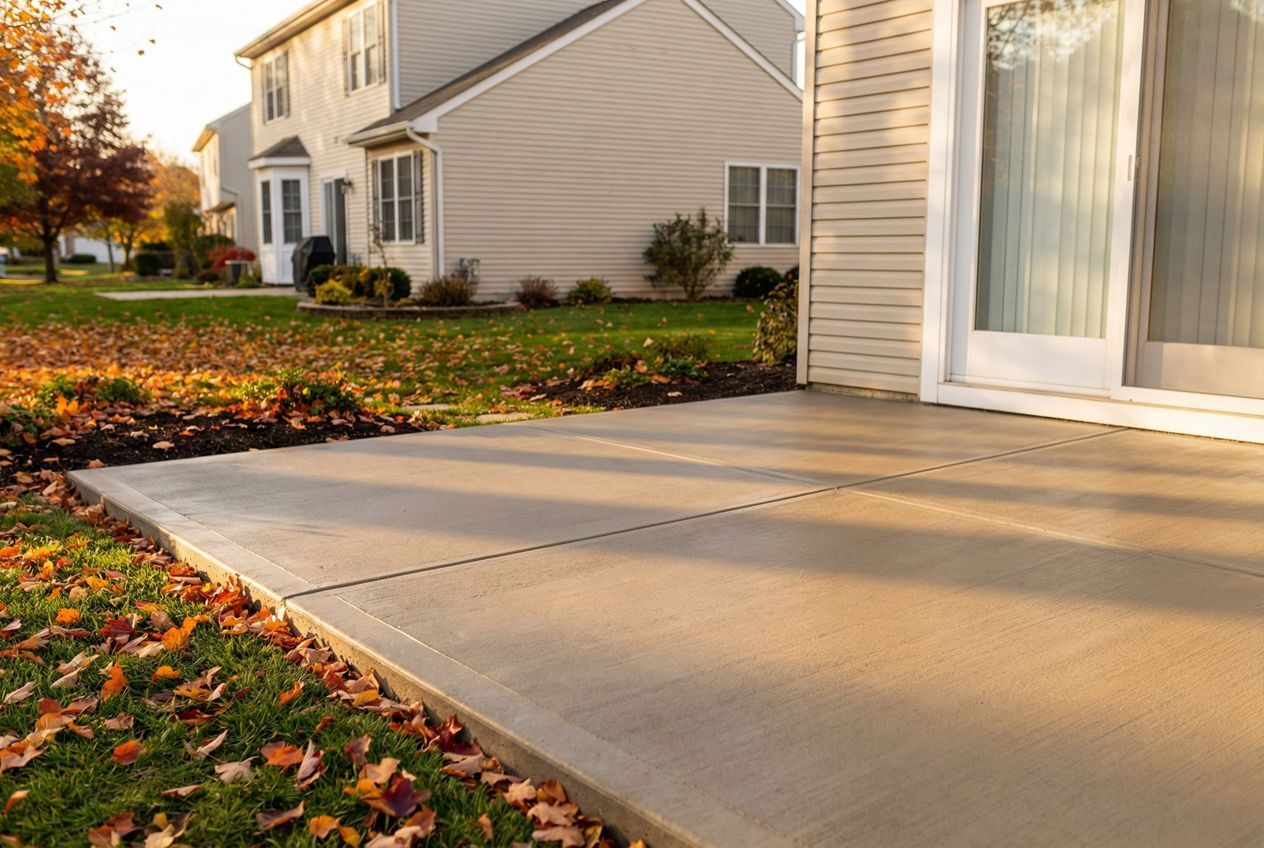
Best Concrete Coating for Patios & Outdoor Concrete: Durability & Weather Resistance

March 9, 2026

The most durable outdoor concrete coating combines UV stability, enough flexibility to handle thermal movement, and resistance to moisture penetration—characteristics that matter differently depending on the climate. For patios and outdoor concrete in Central New Jersey, Concrete Refresh recommends polyaspartic coatings or concrete overlays as the strongest long-term choices, based on over 15 years of installations across Middlesex, Mercer, and Somerset counties.


New Jersey patios take a beating that most coating comparisons don't account for. A patio slab in South Brunswick or Bridgewater endures dozens of freeze-thaw cycles per winter. Concrete absorbs moisture, temperatures drop, that moisture expands, and the cycle repeats. A coating that can't flex or seal against vapor penetration can begin failing at the edges within the first few seasons. The right coating is engineered for what the surface actually faces.


Why Outdoor Concrete Coatings Fail—and What Changes the Outcome

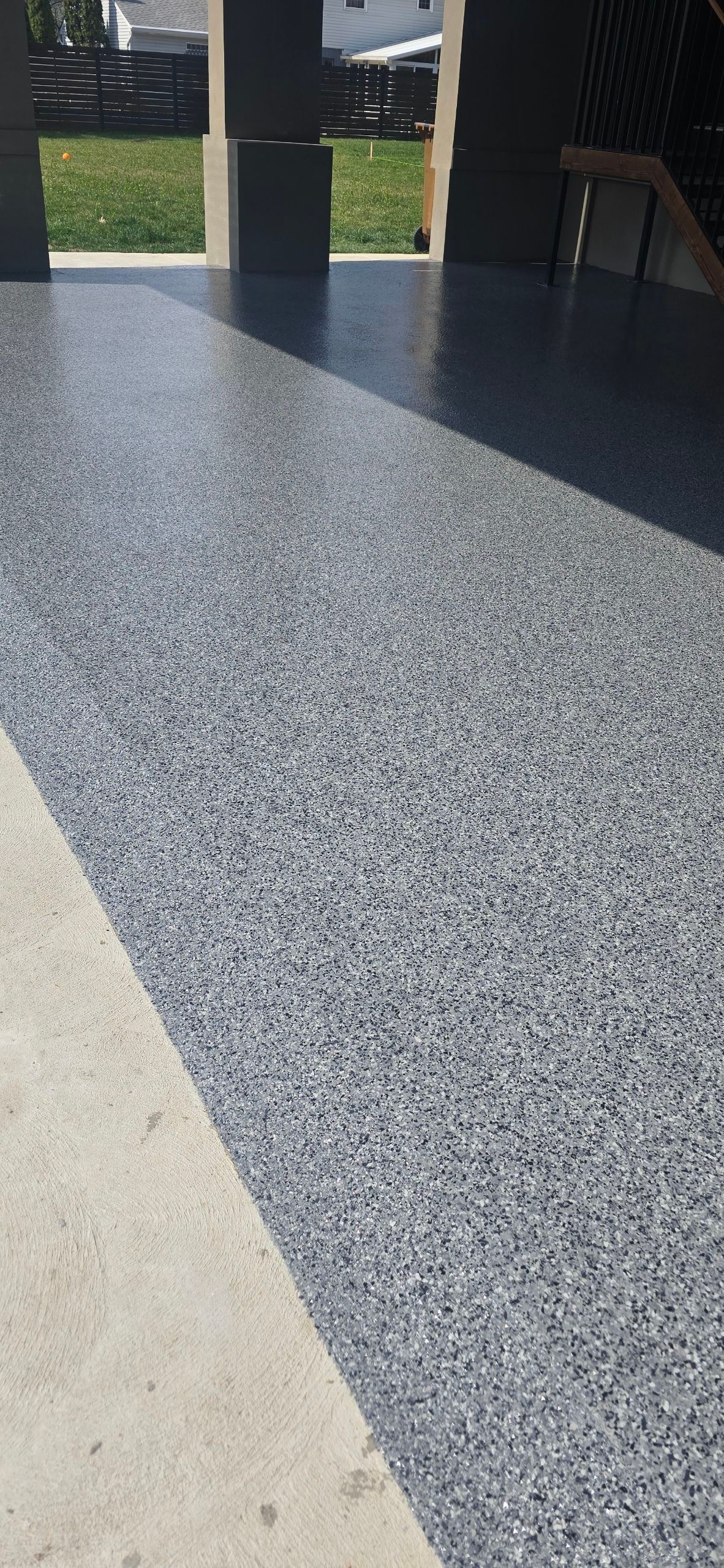
There is a staircase in the corner of the room.

Most coating failures on NJ patios come down to two mechanisms: thermal stress cracking and moisture vapor transmission. Thermal stress happens when a rigid coating can't move with the slab through seasonal temperature swings. Moisture vapor transmission is a slower process. Water migrates upward through concrete and weakens the bond from below. This is the same mechanism that damages basement floor coatings across Central New Jersey.


Standard epoxy is too rigid for outdoor New Jersey applications. It can't flex enough to handle slab movement throughout our four seasons, and it lacks UV stability. Epoxy yellows and chalks with UV exposure relatively quickly compared to UV-stable alternatives.


The coatings that hold up outdoors share these traits:

  • High flexibility to move with the slab through freeze-thaw cycles
  • UV resistance that prevents yellowing and surface breakdown
  • Low moisture vapor permeability
  • Bond strength that survives delamination pressure from below


The Best Options for NJ Patios and Outdoor Surfaces

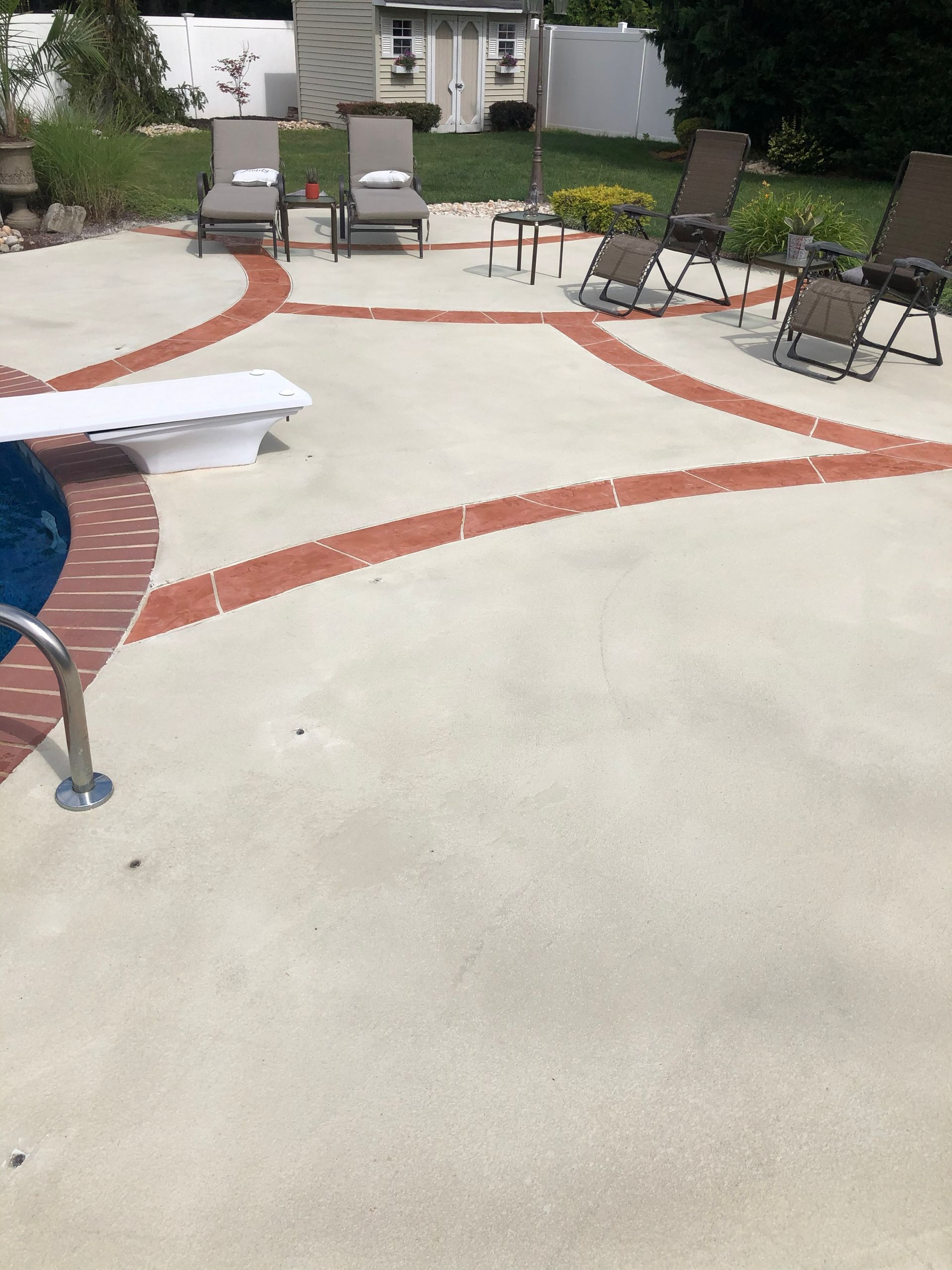
A close up of a cracked concrete surface.

Polyaspartic coatings are the strongest performers for patio floor coatings in Central New Jersey. Polyaspartic is a type of polyurea—a flexible, fast-curing polymer that handles UV exposure without yellowing and maintains adhesion through freeze-thaw cycles better than standard epoxy. It combines the chemical resistance of epoxy with the flexibility and UV stability that outdoor conditions demand.


Concrete overlays are the right alternative when the slab is spalled or too damaged for a direct coating. A polymer-modified cement overlay resurfaces the concrete before any sealer goes on top. For older patios in Princeton and Cranford where surface deterioration runs deep, an overlay plus topcoat often outperforms a direct coating on a degraded slab.


Sealing Alone vs. Coating: Understanding the Difference

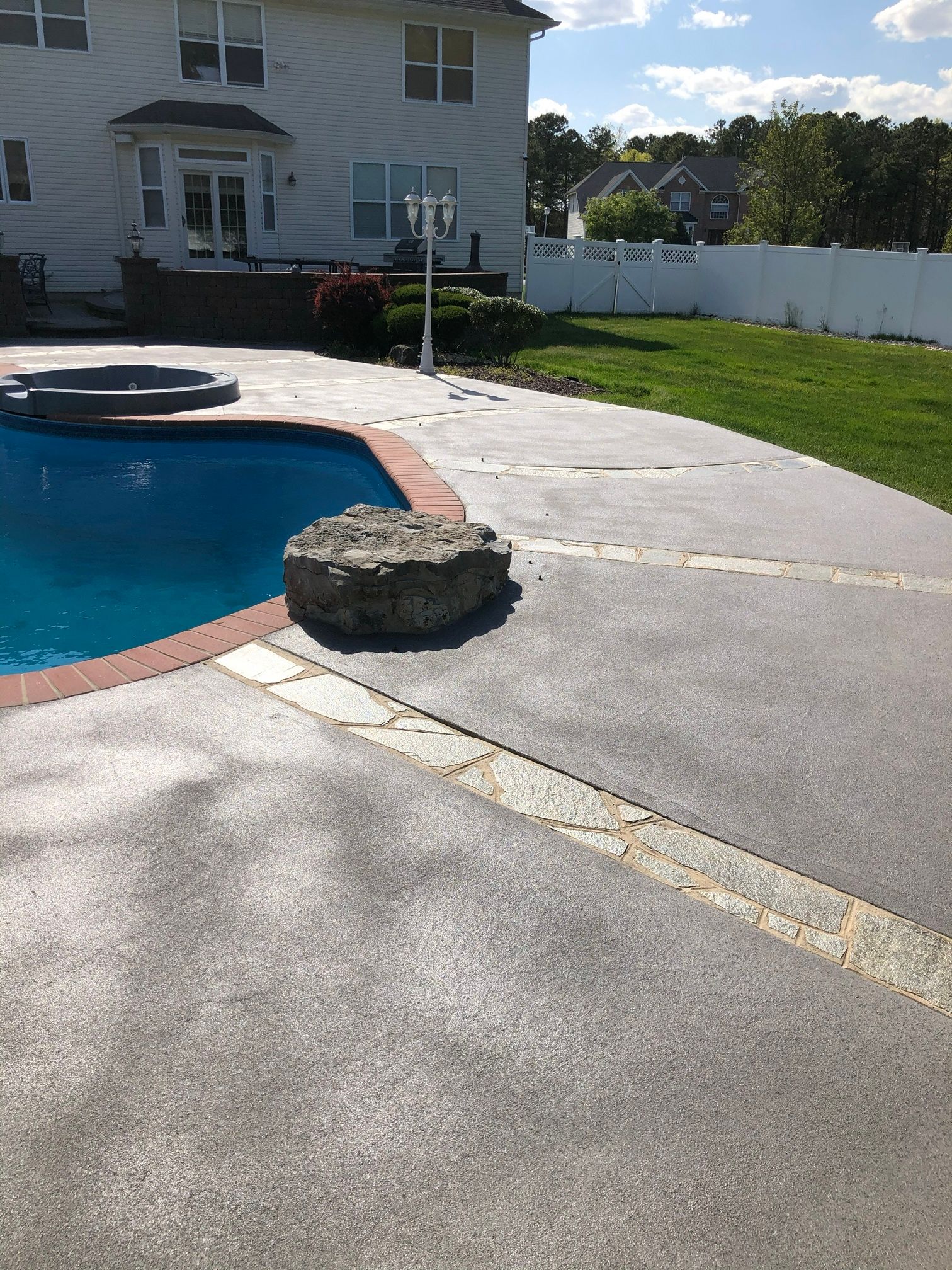
A close up of a painting of a river with a reflection of a mountain in the water.

A sealer and a coating aren't the same thing. A concrete sealer protects against moisture and staining but adds little durability or texture. A coating like polyaspartic adds a functional performance layer on top of the slab. Concrete sealing is a valid maintenance step, but it won't deliver the grip or durability of a properly installed coating.


For pool decks, slip resistance matters as much as durability. A broadcast aggregate mixed into a polyaspartic topcoat delivers both: grip without sacrificing weather resistance. Homeowners across Somerset County have used this approach on pool decks and patios for surfaces that hold up year-round and stay safe when wet.


Frequently Asked Questions

How long does an outdoor concrete coating last in New Jersey?

A properly installed polyaspartic coating on a New Jersey patio carries a 10- to 15-year manufacturer rating. Its exact lifespan depends on maintenance, sun exposure, foot traffic, and the severity of freeze-thaw cycles. Coatings applied over well-prepared, structurally sound slabs perform at the longer end of that range. Skipping surface preparation or applying the coating in poor weather conditions shortens its lifespan significantly.


Can I coat a concrete patio myself?

DIY patio coating kits are available, but most are standard epoxy formulations that aren't well-suited for New Jersey outdoor conditions. Consumer-grade products lack the UV resistance and flexibility of professional polyaspartic systems. Surface preparation—grinding, crack repair, and moisture testing—is also where most DIY projects fail before any product gets applied.


Does an outdoor concrete coating need to be resealed every year?

A quality polyaspartic topcoat doesn’t need annual resealing. Unlike penetrating sealers that wear away with UV exposure and traffic, polyaspartic coatings are designed to perform for years without routine re-application. Periodic cleaning and inspecting for edge lifting or surface wear is sufficient for most residential patios in Central New Jersey.


Protect Your Patio Before Another NJ Winter

A close up of a painting of a river with a reflection of a mountain in the water.

For outdoor concrete in New Jersey, the right coating combines flexibility, UV resistance, and proper surface prep. Polyaspartic delivers on all three. When the slab needs work first, a concrete overlay addresses the surface before any coating goes down. 


Contact Concrete Refresh for a free estimate. We'll assess your patio, identify what prep is needed, and recommend the system built for Central New Jersey's climate. Every project is backed by a 5-year workmanship warranty.

March 11, 2026
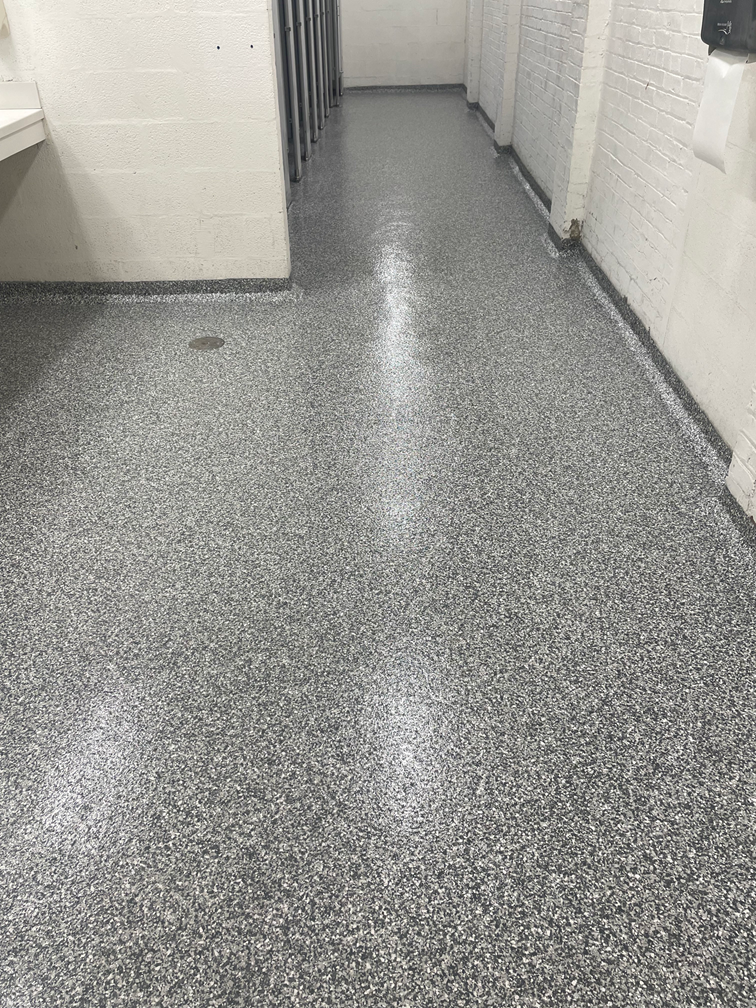
Can you epoxy outdoor concrete? Yes, but standard epoxy fails in NJ's climate. Learn which epoxy systems work for patios and pool decks, and which don't.
March 5, 2026
Learn how to clean epoxy floor coatings and keep them looking sharp. Here are 7 maintenance tips from Concrete Refresh—covering daily care, stains, and more.
March 2, 2026
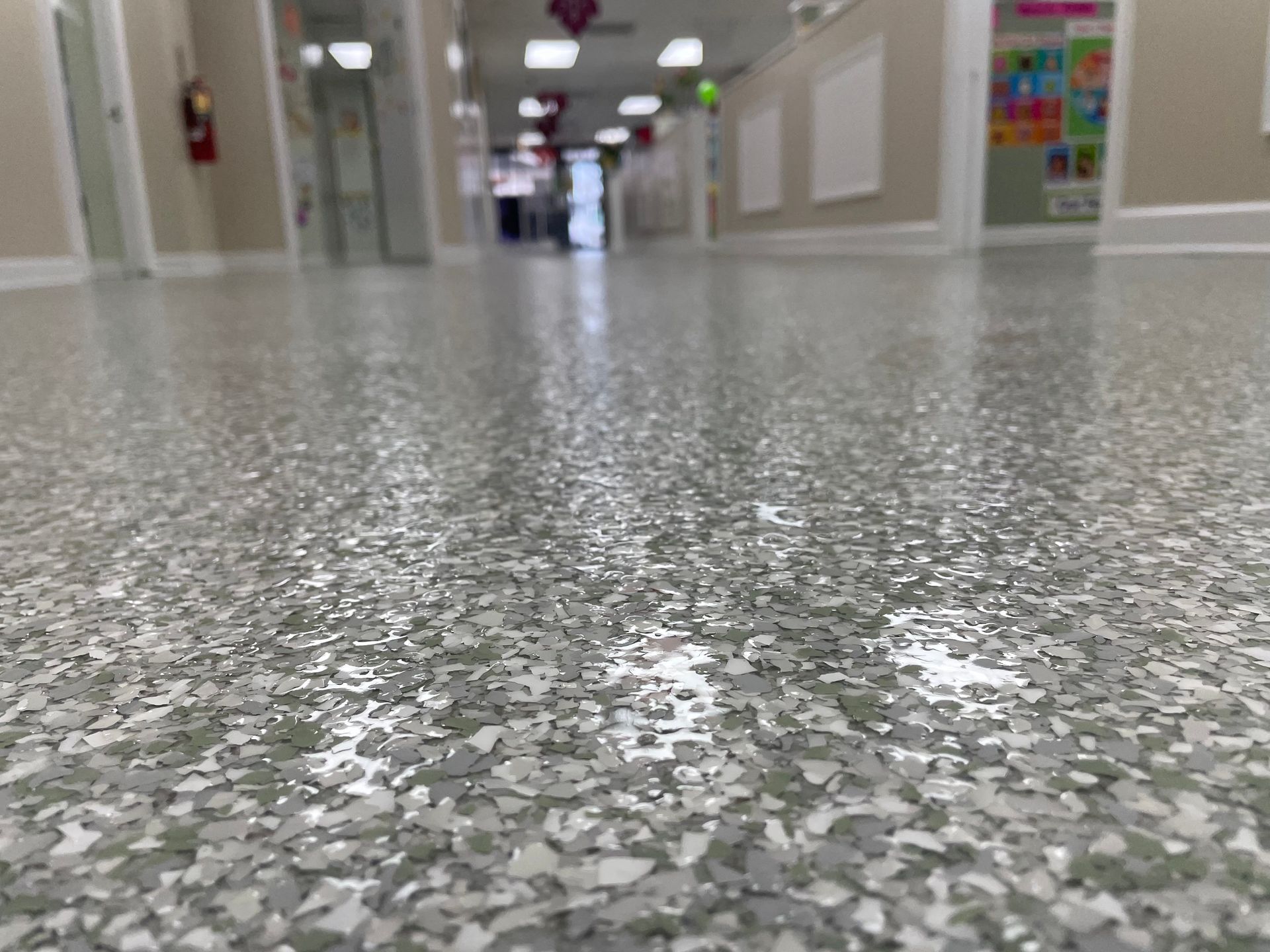
Polished concrete vs epoxy for New Jersey floors—compare their durability, cost, and performance in NJ's freeze-thaw climate. Find out which is right for you.
February 12, 2026
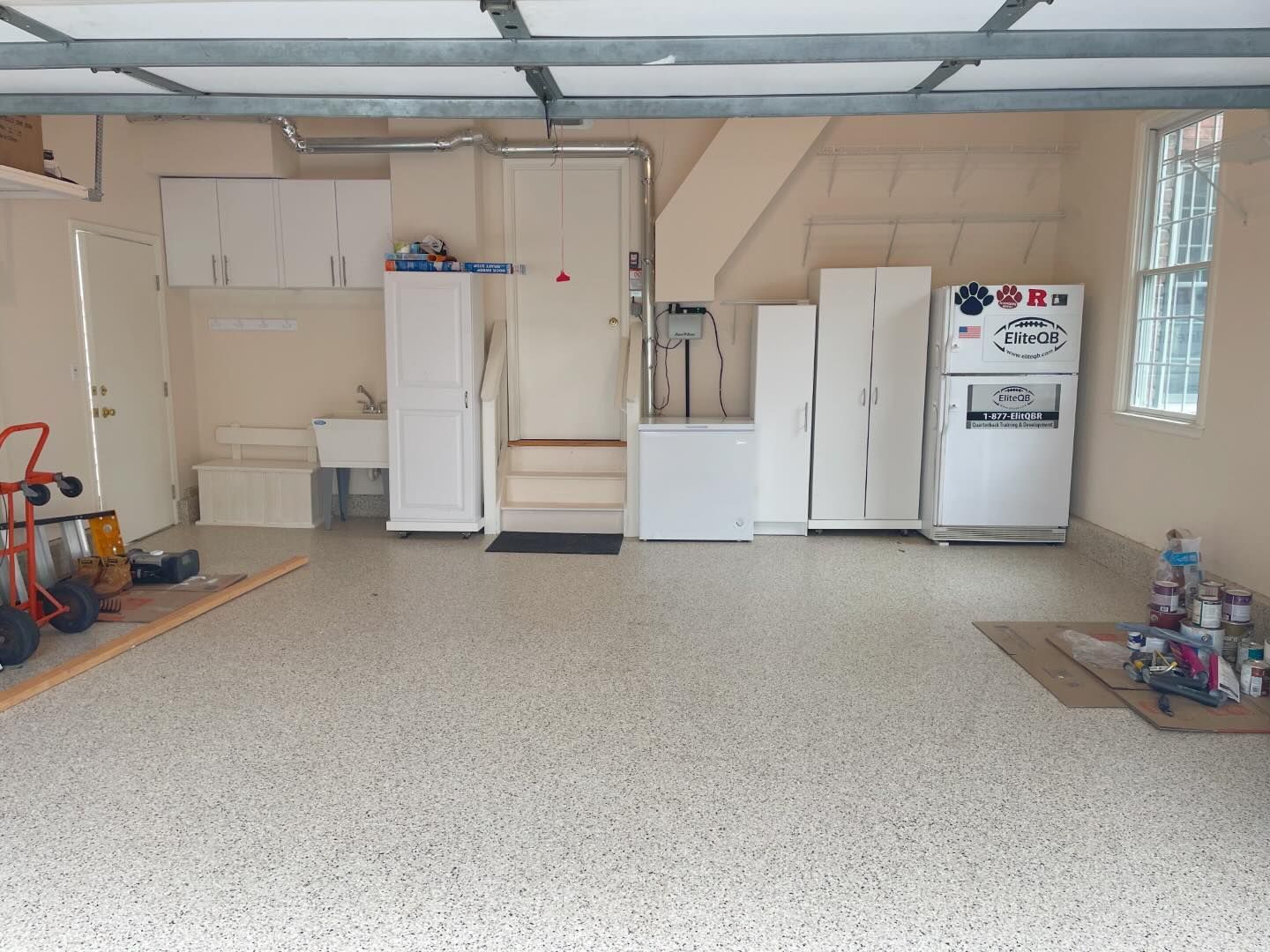
Learn how to do epoxy floor coating step by step, from surface prep to final cure. Plus, Concrete Refresh shares the best time of year for epoxy application.
February 9, 2026
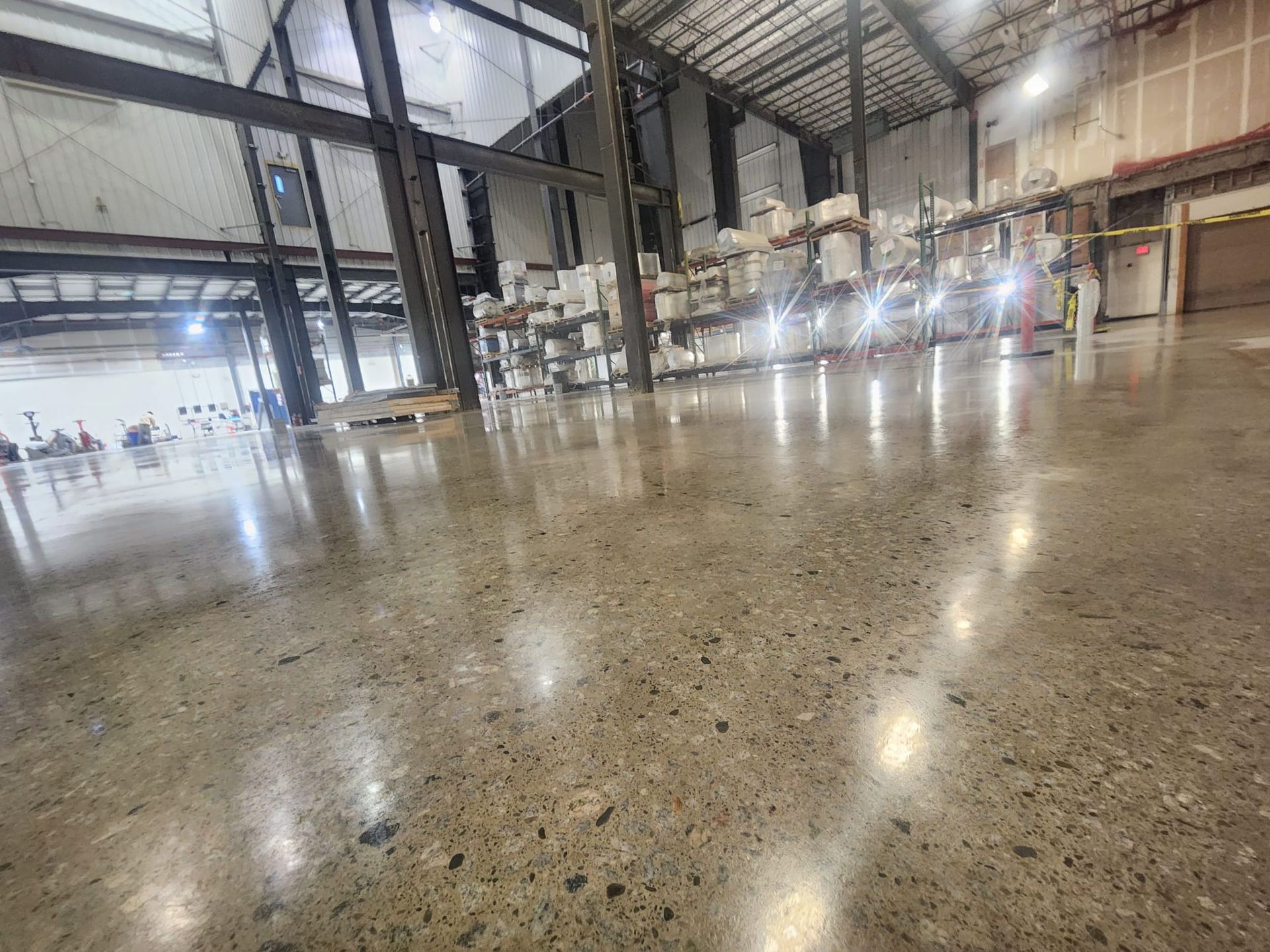
Learn how to seal concrete floor surfaces step by step. Get DIY tips for NJ homeowners plus expert help from Concrete Refresh. Call (908) 208-3698.
February 5, 2026
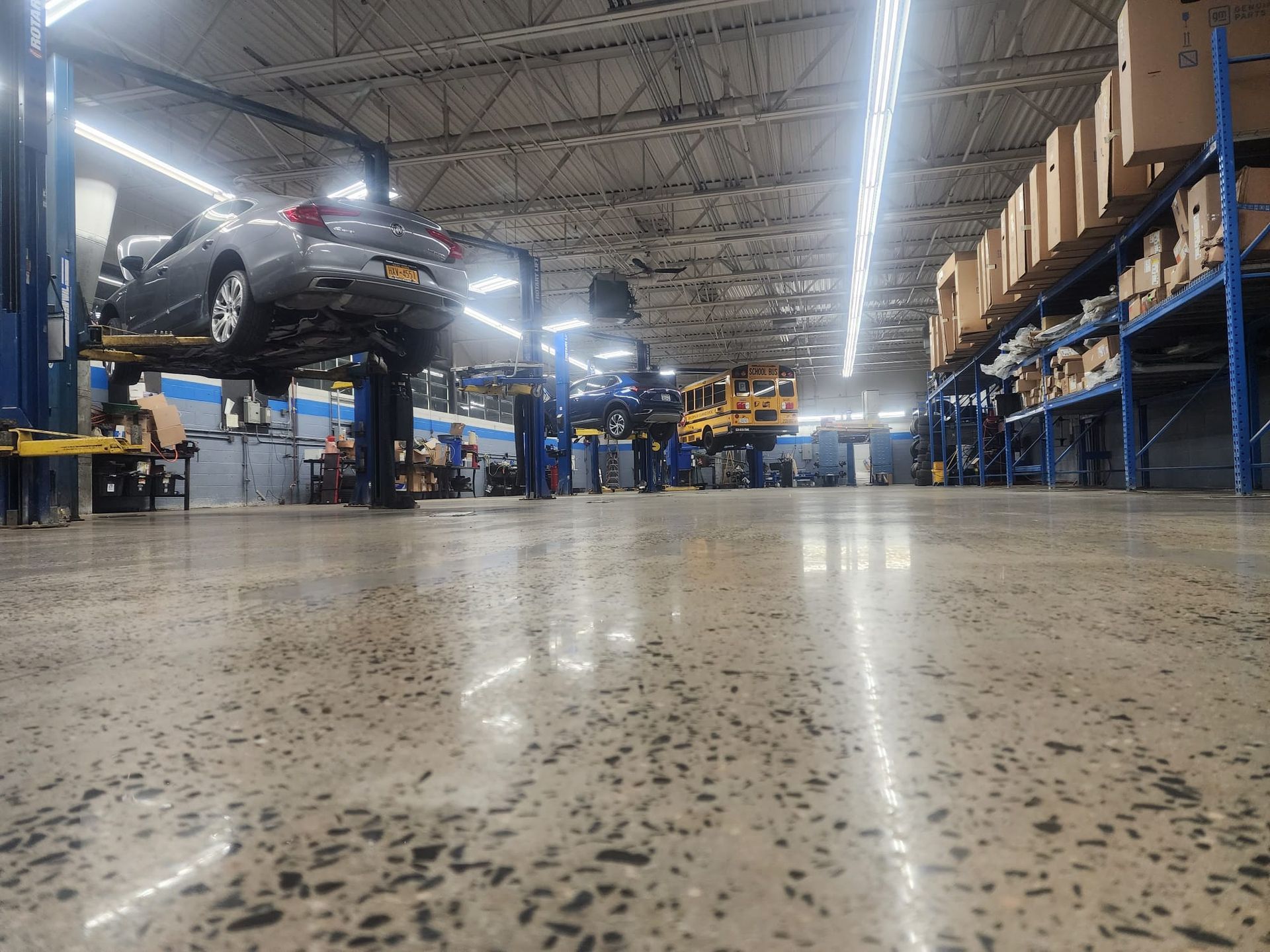
Learn how to do concrete polishing with this professional guide covering diamond grit progression, densifiers, equipment, and timelines from NJ experts.
February 2, 2026
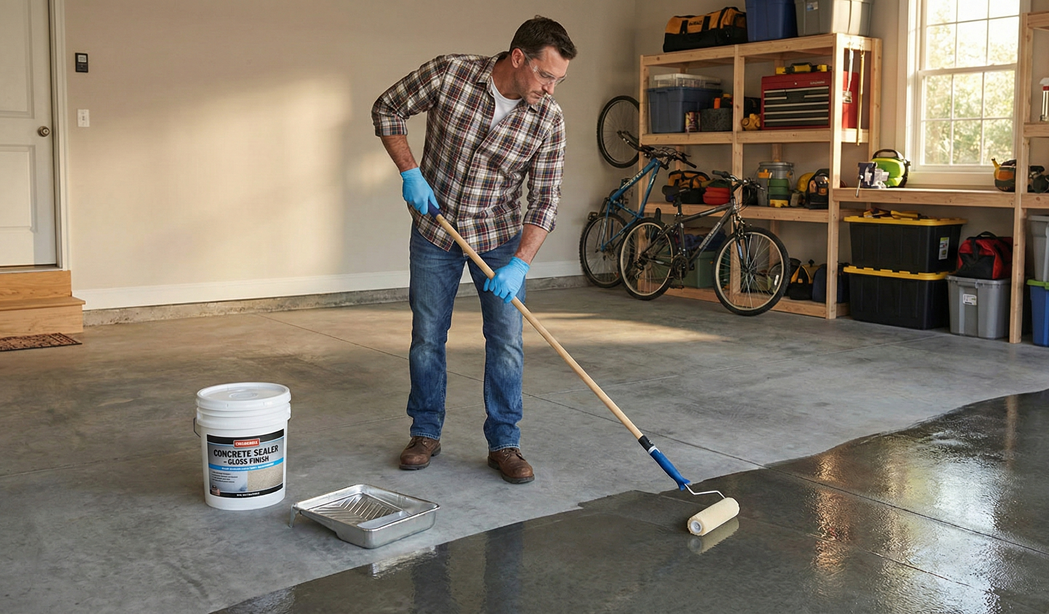
Learn how to seal concrete floor surfaces step by step. Get DIY tips for New Jersey homeowners plus expert help from Concrete Refresh. Call (908) 208-3698.
January 8, 2026
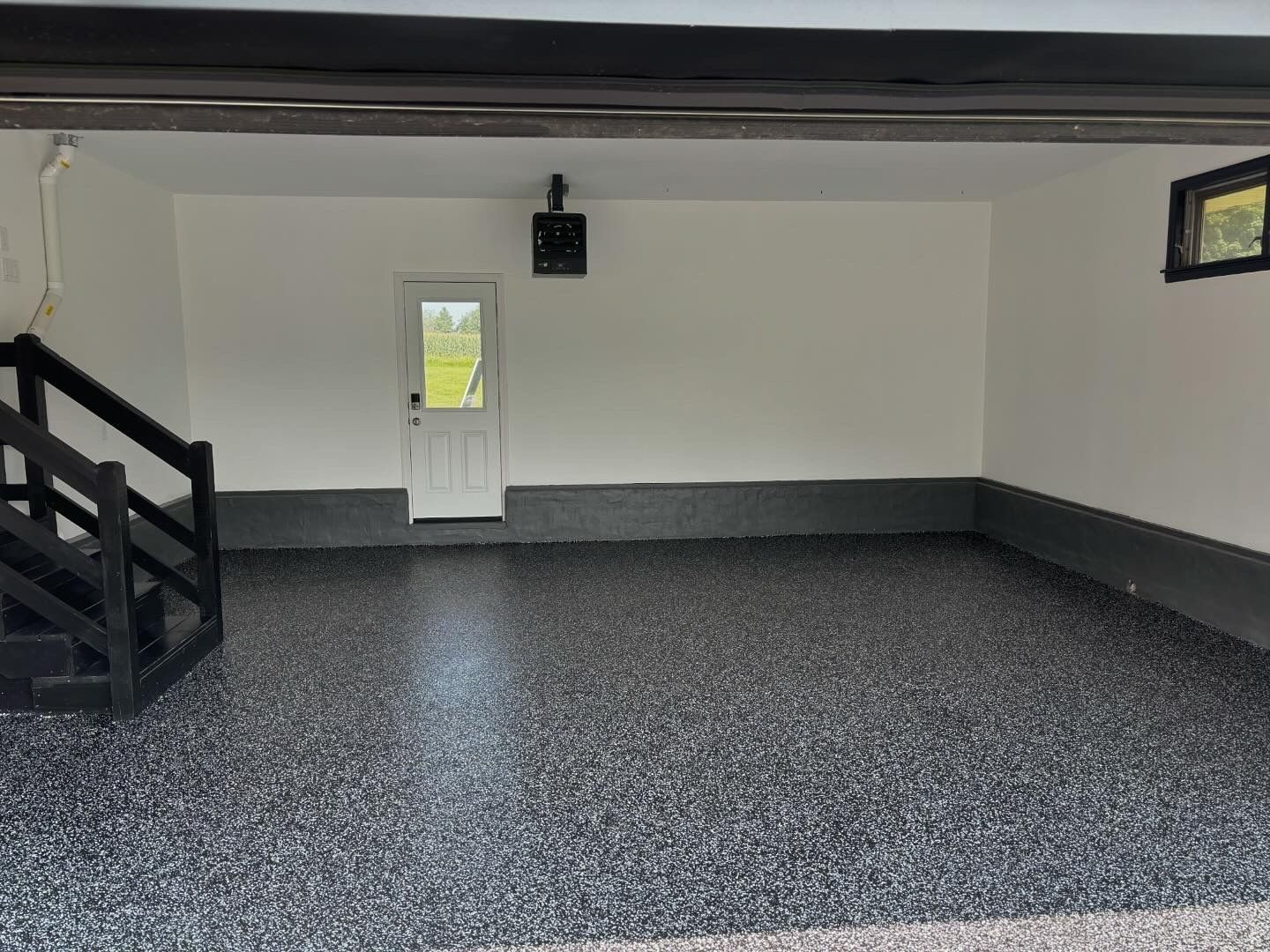
Planning a garage upgrade? Find out how much garage epoxy floors cost in Central NJ in 2026. Learn the 5 key factors for a professional, long-lasting finish.
January 5, 2026
Wondering how much concrete coating costs in Central NJ? Our 2026 guide breaks down pricing for epoxy, urethane cement, & more, ensuring you get the best value.
December 1, 2025
Deciding between urethane cement flooring vs epoxy? Compare thermal resistance, durability, and cost. Concrete Refresh explains which is right for your space.
Show More