How To Polish Concrete Floors: Professional Techniques for Perfect Results

February 5, 2026

Here’s something most flooring contractors won’t tell you: concrete polishing looks deceptively simple in online tutorials, but the gap between a DIY attempt and a professional result is wider than almost any other flooring project. 


The equipment alone can cost tens of thousands of dollars for professional-grade machines, and the technique requires years of hands-on experience to master. Fifteen years of polishing concrete across Central New Jersey has taught us that understanding the process helps homeowners make smarter decisions, even if the work itself belongs in professional hands. 


This guide walks you through exactly how concrete polishing works, what each step accomplishes, and how to know when your floors are done right.


What Concrete Polishing Actually Involves

There is a staircase in the corner of the room.

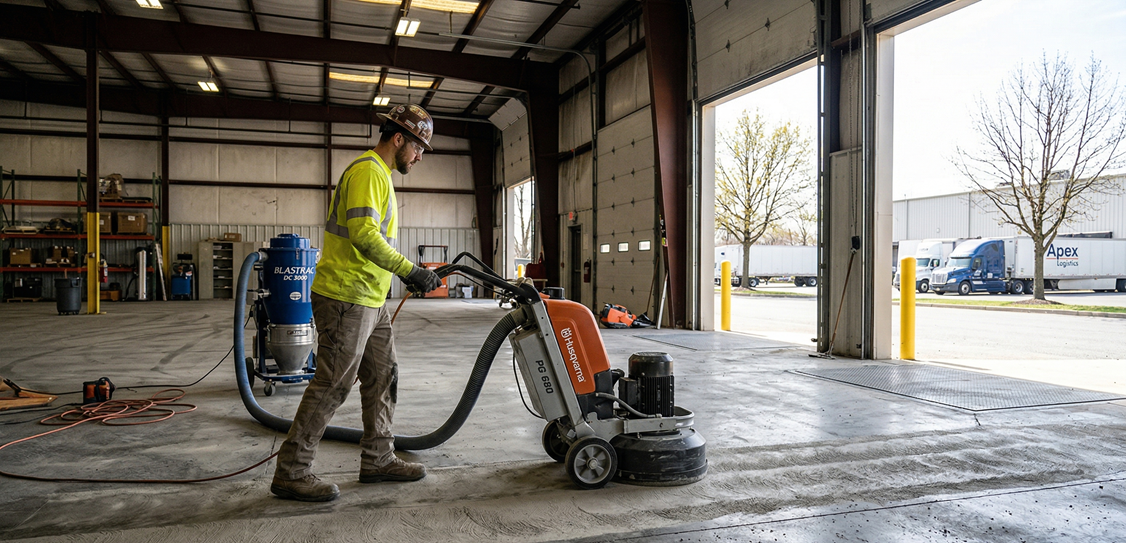
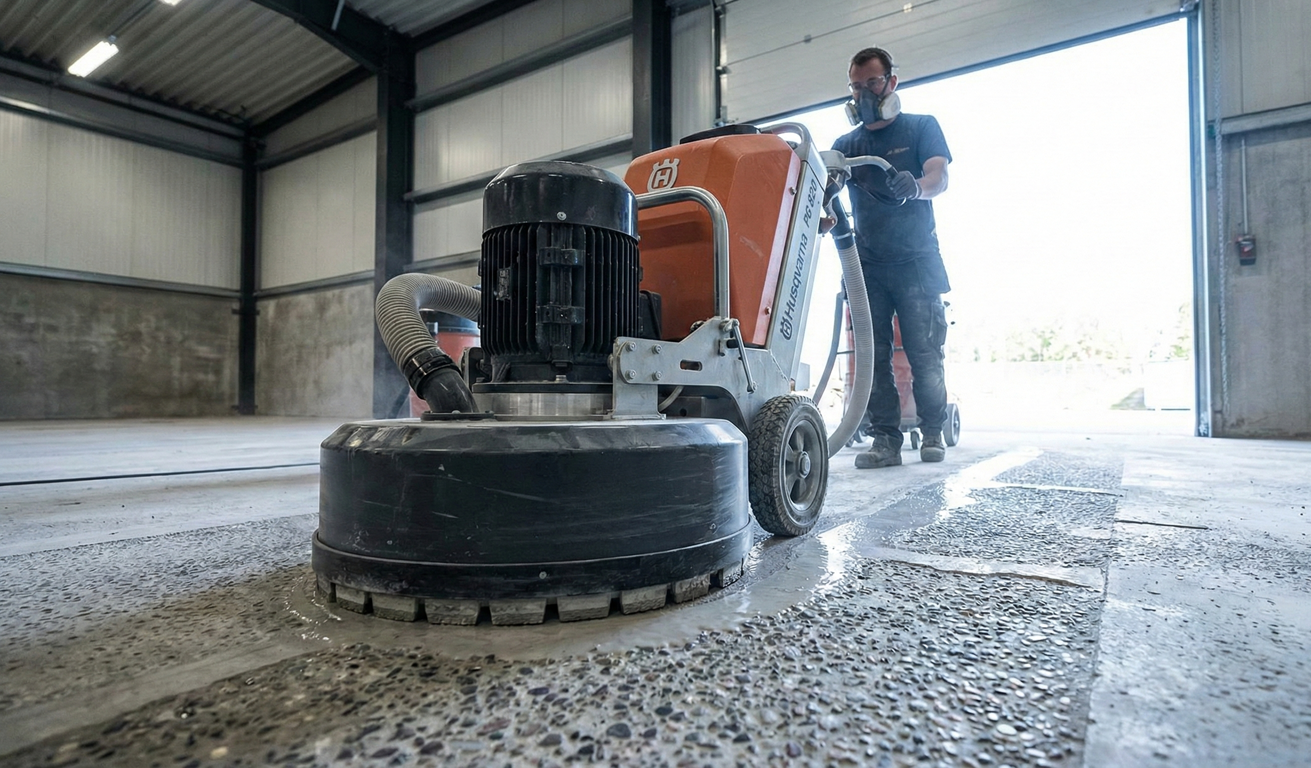
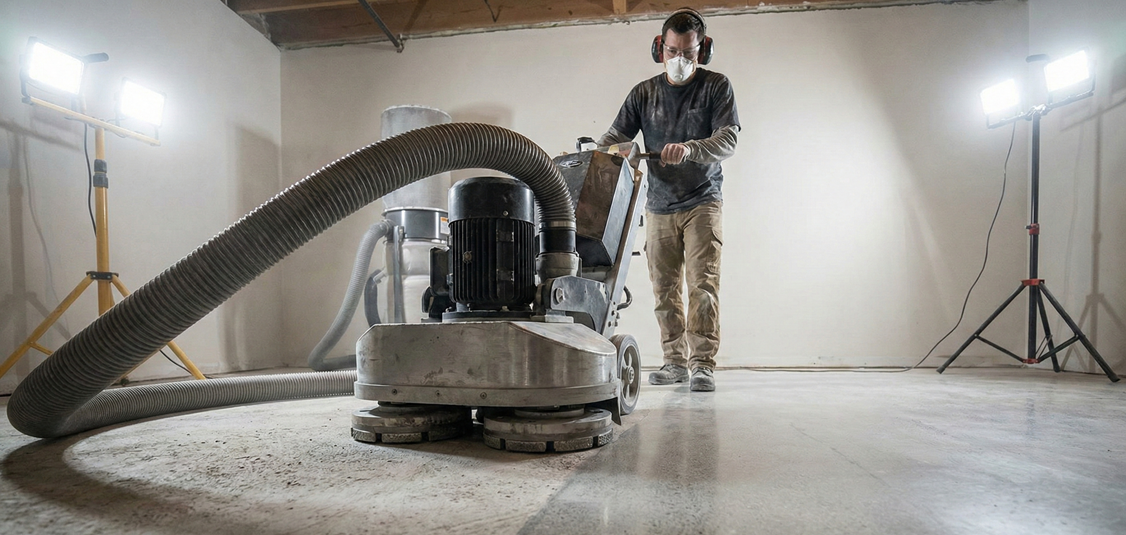
Concrete polishing is a multi-step grinding process that transforms rough, porous concrete into a smooth, glossy surface using progressively finer diamond abrasives. Think of it like sanding wood, but on a much larger and more demanding scale. Our concrete polishing service uses planetary grinders, heavy machines with multiple rotating heads that spin in opposite directions to create a flat, even surface.


The process starts with coarse diamond tooling, typically 30 or 40 grit, to remove surface imperfections, old coatings, or minor damage. From there, technicians work through a progression of finer grits. 


A typical sequence moves from 40 to 80, then 150, 400, 800, 1500, and sometimes up to 3000 grit or higher for a mirror-like finish. Each pass refines the surface left by the previous one. Skipping grits creates visible scratches that can’t be hidden.


The Diamond Grit Progression and Why It Matters

A close up of a cracked concrete surface.

Each grit level serves a specific purpose:


  • Coarse grits (30–80) handle the heavy lifting: removing thin coatings, leveling uneven spots, and opening the concrete pores.
  • Mid-range grits (150–400) begin developing the sheen and smoothing out the scratches left by coarser tooling.
  • Fine grits (800 and above) create the actual polish.


Between the coarse and fine grinding stages, a chemical densifier is applied. This liquid silicate solution soaks into the concrete and reacts with the calcium hydroxide naturally present in the slab.


The reaction creates calcium silicate hydrate, which fills microscopic pores and hardens the surface. Without a densifier, even the finest grinding produces a dull, soft floor that dusts and stains easily. For homes across Middlesex, Mercer, and Somerset counties, using a densifier is especially important because our seasonal humidity can draw moisture through untreated concrete.


Equipment and Timeline for Residential Projects

A close up of a painting of a river with a reflection of a mountain in the water.

A professional planetary grinder weighs between 500 and 1,000 pounds and requires 220-volt power. These machines are not commonly available at standard equipment rental shops. When they are, they demand significant operator skill to avoid gouging the floor. 


Additional equipment includes industrial vacuums with HEPA filtration, edge grinders for walls and corners, and hand tools for tight spaces.


Residential projects typically take two to five days depending on the condition of the existing slab and the desired level of polish. Commercial projects run five to ten days or longer. 


Each pass across the floor must overlap the previous one, and most floors require six to ten total passes. Rushing this process or cutting corners on grit progression immediately shows in the finished product.


How New Jersey Conditions Affect Polished Concrete

A close up of a painting of a river with a reflection of a mountain in the water.

Central New Jersey's freeze-thaw cycles and road salt exposure create specific challenges for concrete floors, particularly in garages and covered entryways. Polished concrete performs well in these conditions because the densified surface resists salt penetration and moisture absorption better than raw concrete. However, existing slabs with freeze-thaw damage, such as spalling or surface flaking, may need repair work before polishing can begin.


For garage floors exposed to road salt and temperature swings, our complete range of concrete floor finishes includes options beyond polishing that may better suit high-exposure environments. A grind and seal application adds a protective topcoat over mechanically ground concrete, offering strong chemical resistance. If the existing slab has significant damage, concrete overlays can resurface the floor entirely before any finishing treatment is applied.


What To Expect From a Professional Job

A close up of a painting of a river with a reflection of a mountain in the water.

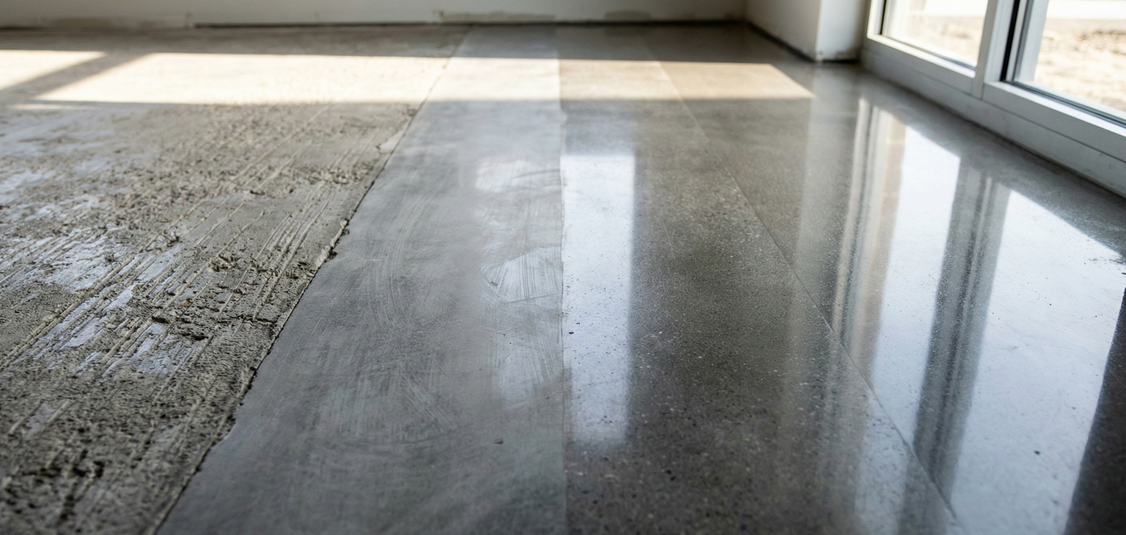
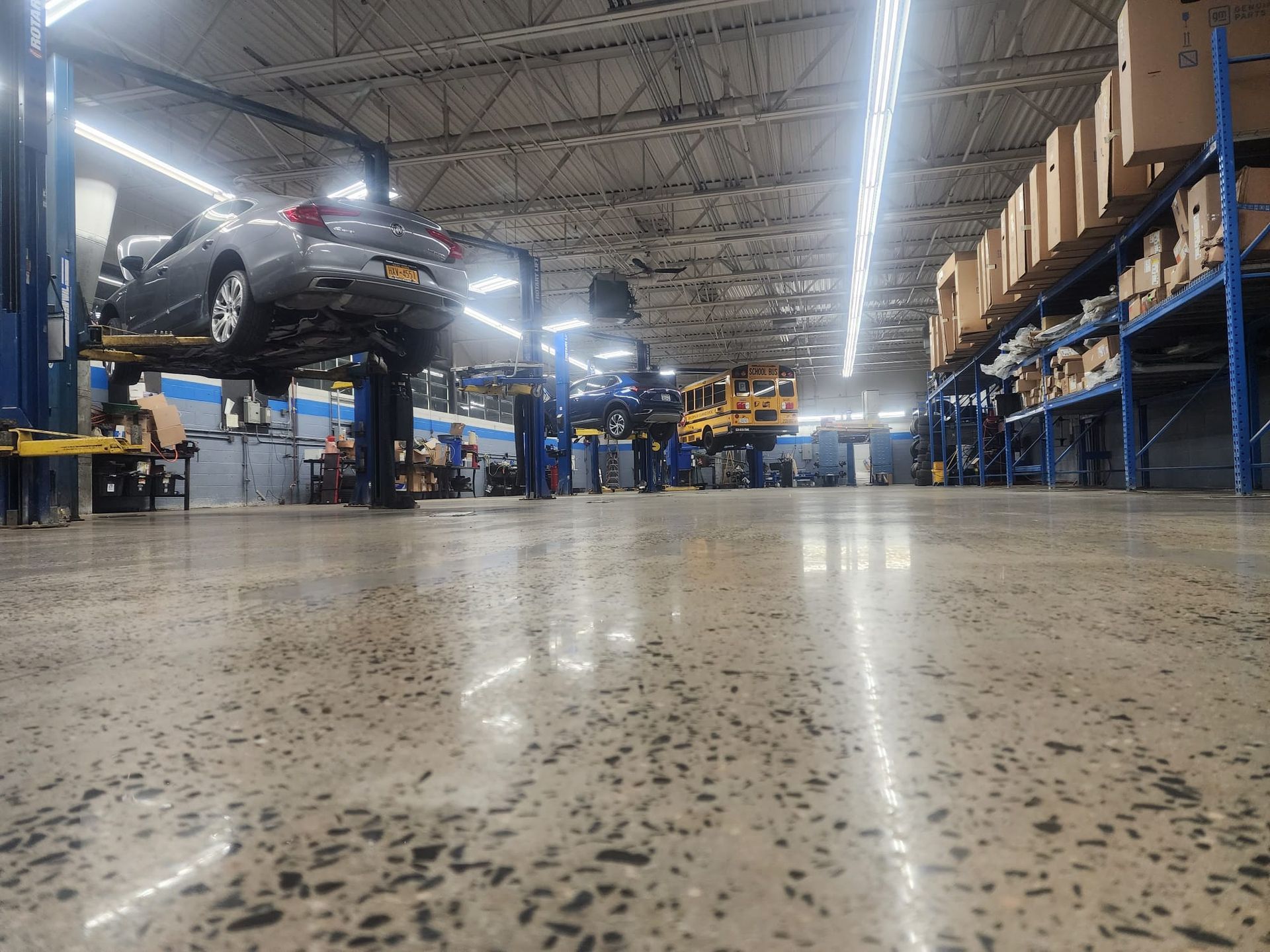
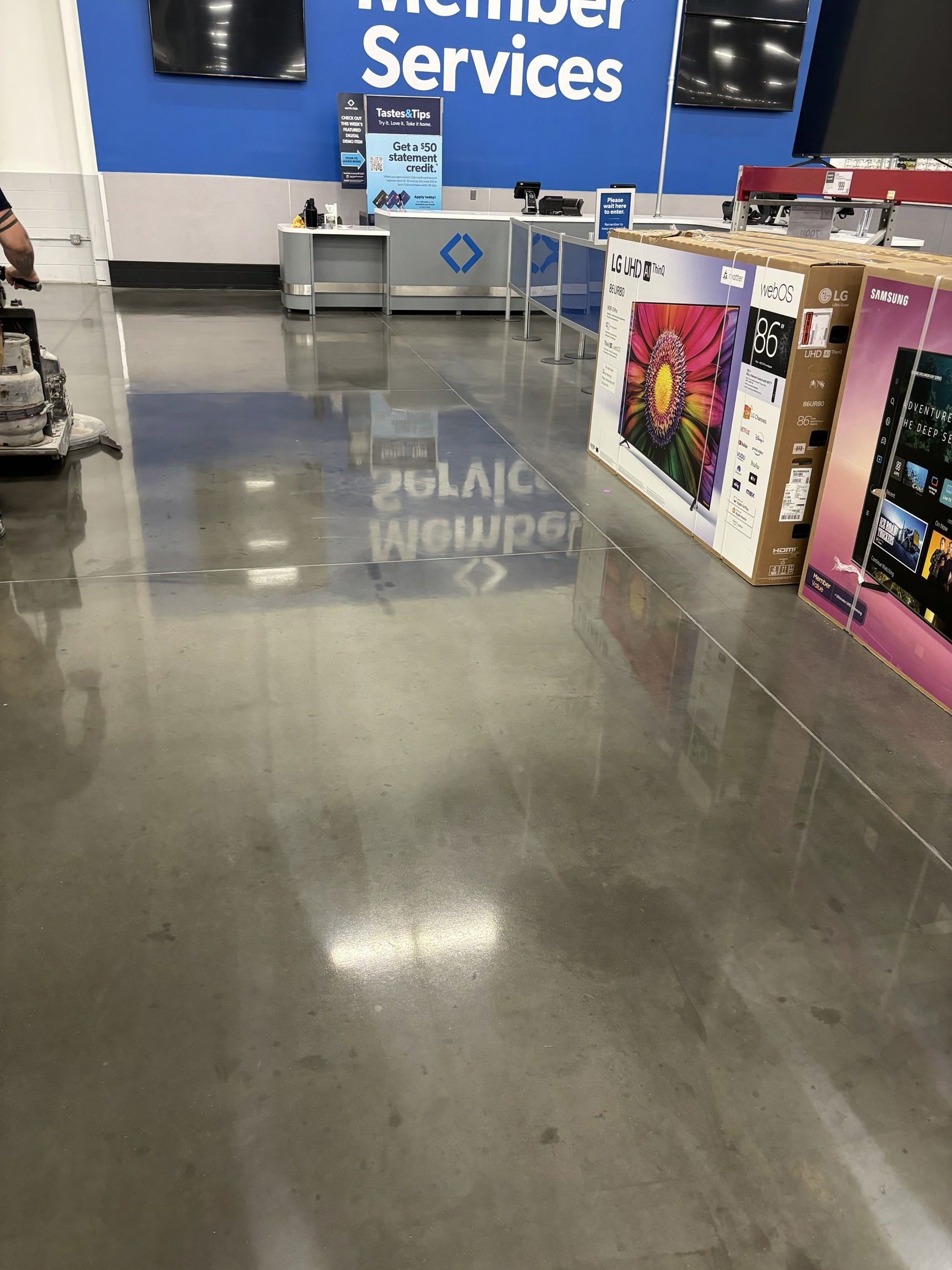
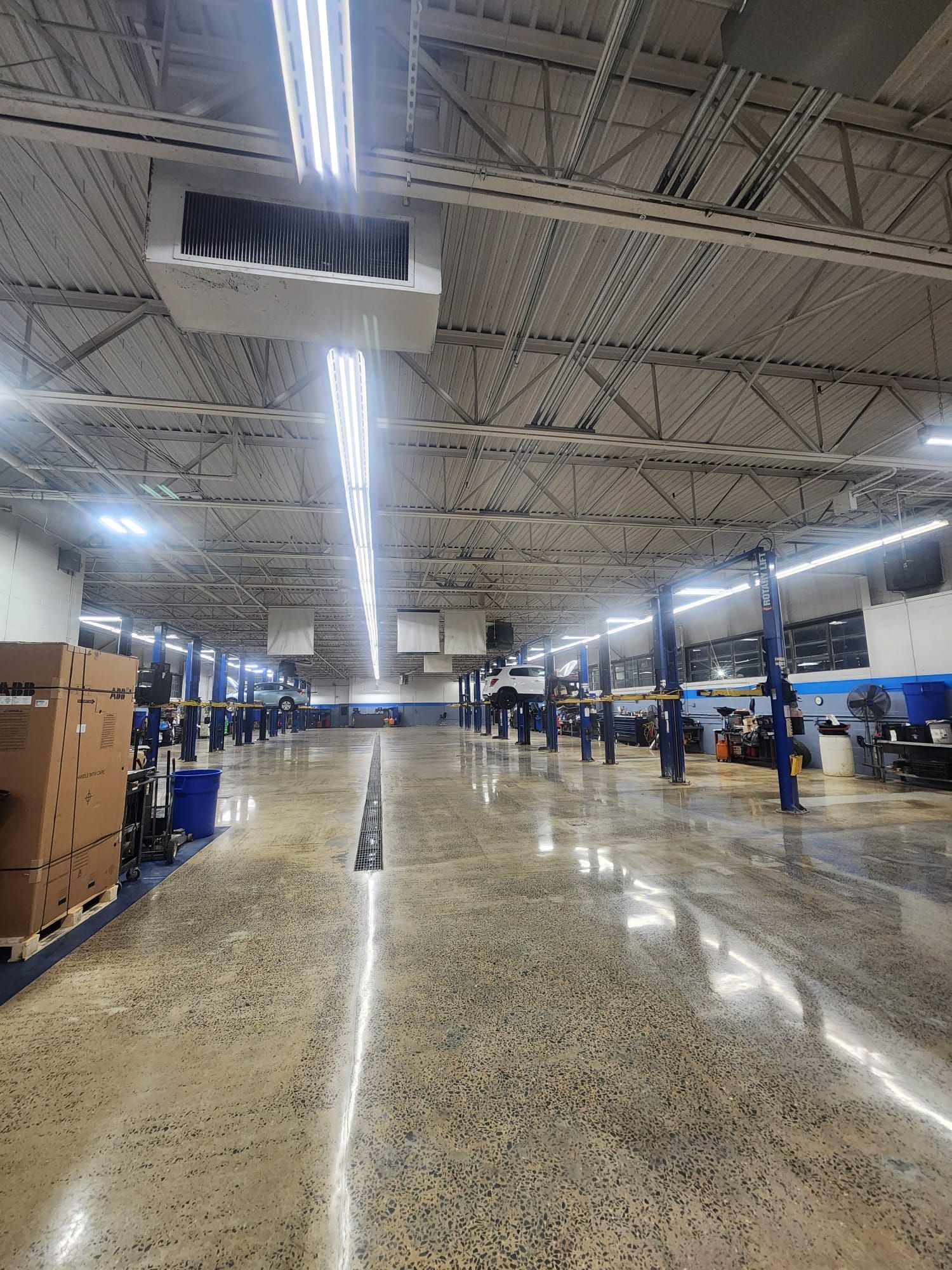
A properly polished concrete floor should feel smooth to the touch with no visible scratches when viewed while standing. Light should reflect evenly across the surface without cloudy patches or swirl marks. Industry standards indicate that floors finished to 800 grit or above should exhibit a distinctly reflective sheen.


Professional crews also address cracks, joints, and small imperfections with color-matched fillers before the fine grinding stages. This attention to detail separates a quality job from a rushed one.


Let Concrete Refresh's 15 Years of Experience Work for You

A close up of a painting of a river with a reflection of a mountain in the water.

Concrete polishing delivers a durable, low-maintenance floor when performed correctly with the right equipment and technique. The process demands patience through multiple grit stages, proper densifier application, and professional-grade machinery that most homeowners can’t access on their own. 


Concrete Refresh has spent over 15 years refining these techniques for homes and businesses across Central New Jersey, backed by our 5-Year Workmanship Warranty. Get Your Free Quote Now or call (908) 208-3698 to discuss your project.

February 12, 2026
Learn how to do epoxy floor coating step by step, from surface prep to final cure. Plus, Concrete Refresh shares the best time of year for epoxy application.
February 9, 2026
Learn how to seal concrete floor surfaces step by step. Get DIY tips for NJ homeowners plus expert help from Concrete Refresh. Call (908) 208-3698.
February 2, 2026
Learn how to seal concrete floor surfaces step by step. Get DIY tips for New Jersey homeowners plus expert help from Concrete Refresh. Call (908) 208-3698.
January 8, 2026
Planning a garage upgrade? Find out how much garage epoxy floors cost in Central NJ in 2026. Learn the 5 key factors for a professional, long-lasting finish.
January 5, 2026
Wondering how much concrete coating costs in Central NJ? Our 2026 guide breaks down pricing for epoxy, urethane cement, & more, ensuring you get the best value.
December 1, 2025
Deciding between urethane cement flooring vs epoxy? Compare thermal resistance, durability, and cost. Concrete Refresh explains which is right for your space.
December 1, 2025
Learn exactly how long concrete needs to cure before epoxy coating with this expert guide from Concrete Refresh, Central New Jersey's flooring specialists.
November 3, 2025
How much does concrete polishing cost in New Jersey? Get realistic estimates and learn about the factors that affect pricing from the Concrete Refresh team.
November 3, 2025
Discover why urethane cement floors are the ultimate heavy-duty industrial flooring solutions. Concrete Refresh shares what they are, their benefits, and more.
October 1, 2025
What is the best epoxy floor coating for New Jersey garages? Understand your floor coating options and get recommendations from the experts at Concrete Refresh.
Show More