How To Seal Concrete Floors: Step-by-Step DIY Guide for Long-Lasting Protection

February 2, 2026

Unsealed concrete in Central New Jersey takes a beating. Freeze-thaw cycles crack it, road salt eats into it, and summer humidity traps moisture, weakening it from the inside out. Left alone, a garage or basement floor can deteriorate faster than most homeowners expect. 


But here’s the good news: sealing your concrete floor is one of the most effective ways to protect it, and much of the work is within reach for a capable DIYer. At Concrete Refresh, we’ve sealed numerous concrete floors across Middlesex, Mercer, and Somerset counties. We know exactly what separates a seal job that lasts from one that peels within a year. 


This guide walks you through the full process, step by step.


Why Seal Your Floors in New Jersey?

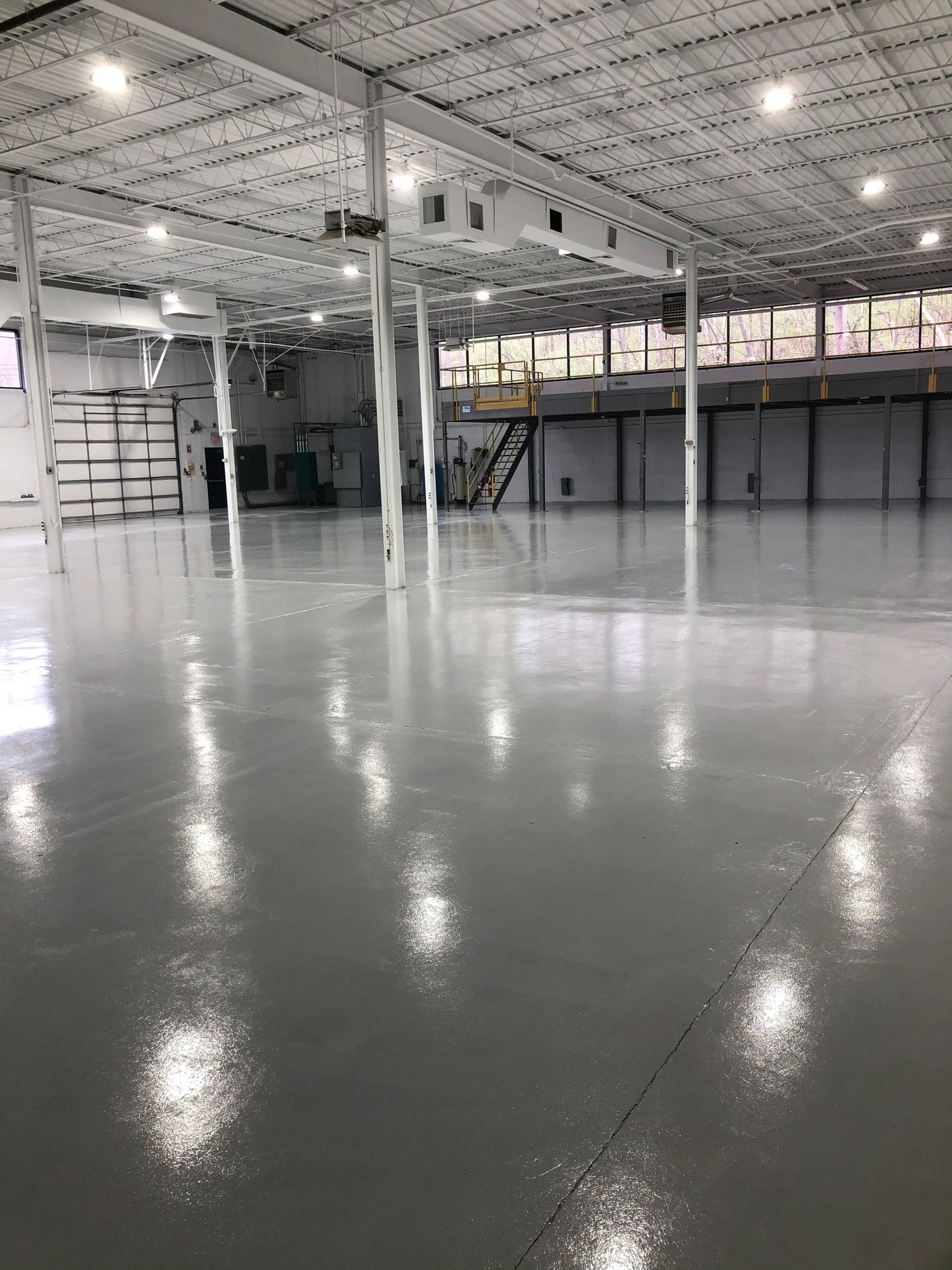
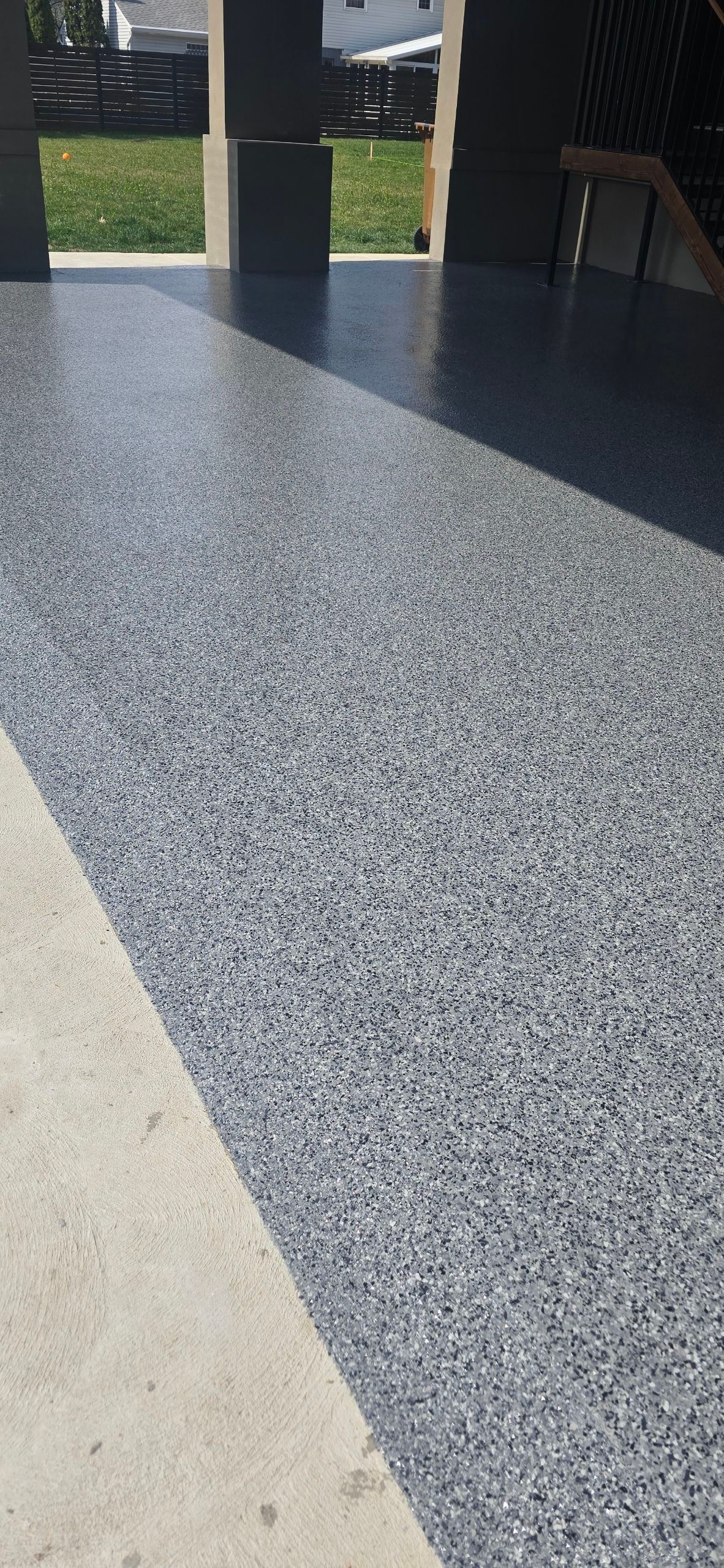
There is a staircase in the corner of the room.

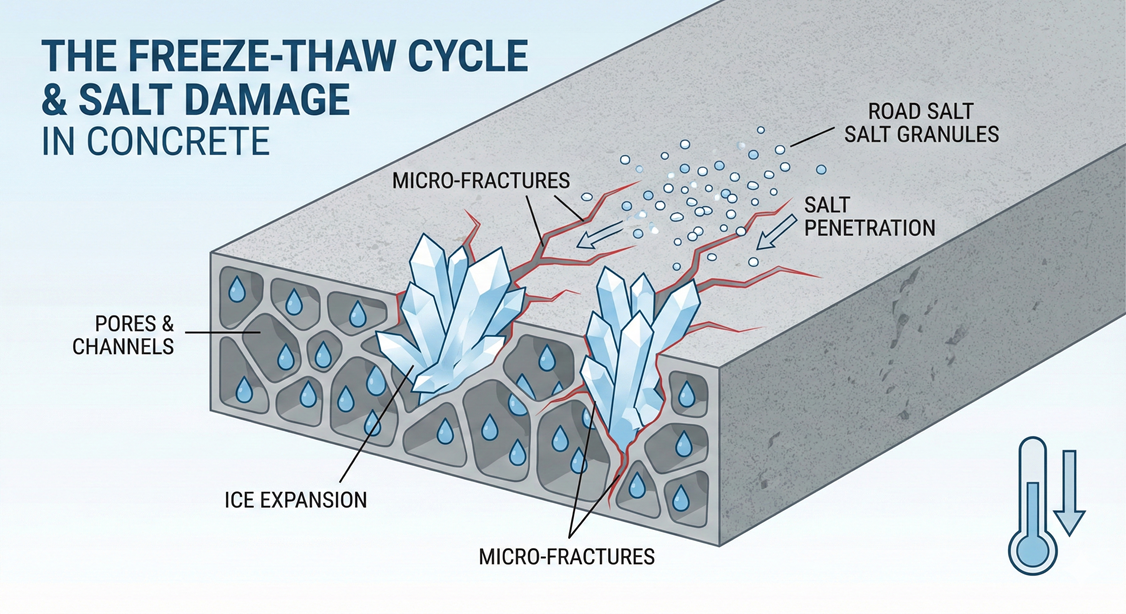
Concrete is porous, meaning it contains tiny holes and channels that absorb water, chemicals, and contaminants. In New Jersey, that’s a serious problem. When water enters those pores and freezes during winter, it expands by about 9%, creating micro-fractures that grow with every freeze-thaw cycle. Road salt tracked in from driveways accelerates this damage by introducing chloride ions that break down the concrete matrix.


A quality sealer fills or coats those pores, creating a barrier against moisture, salt, oil, and staining. Sealed floors also resist dusting, the chalky residue that forms when the surface slowly wears away. Whether your concrete is in a garage, basement, or workshop, sealing can significantly extend its service life.


How To Choose the Right Sealer for Your Floor

A close up of a cracked concrete surface.

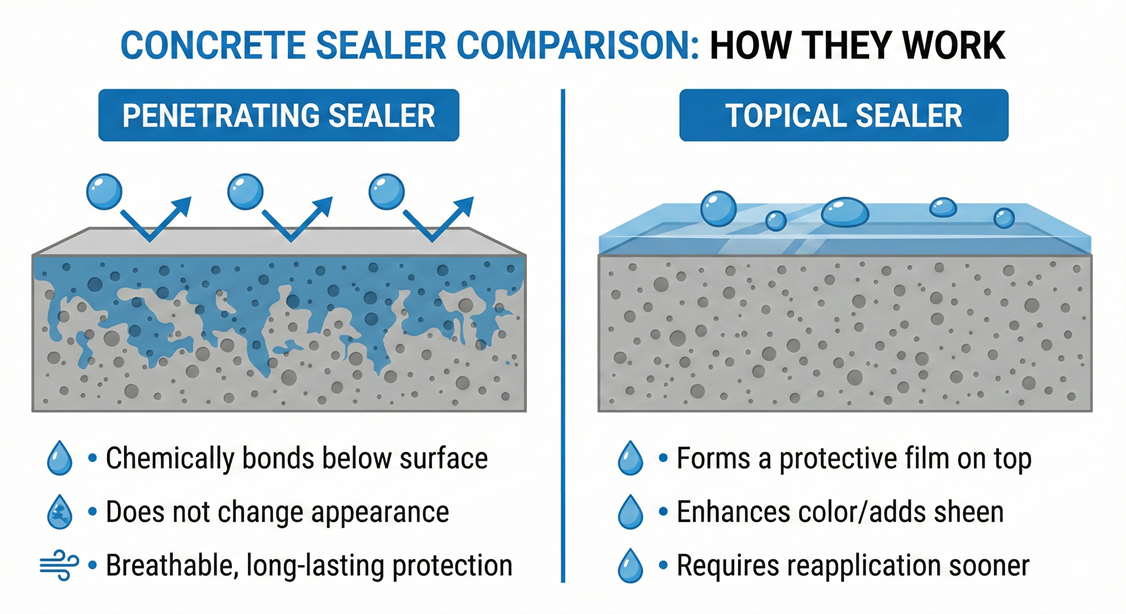
Not all sealers work the same way. The two main categories are penetrating sealers and topical sealers. Choosing the wrong one leads to problems.


  • Penetrating sealers soak into the concrete and react chemically to block moisture from within. Silane and siloxane blends work well for garage floors exposed to salt and water. They’re breathable, don’t change the appearance of the floor, and typically last 5 to 10 years.
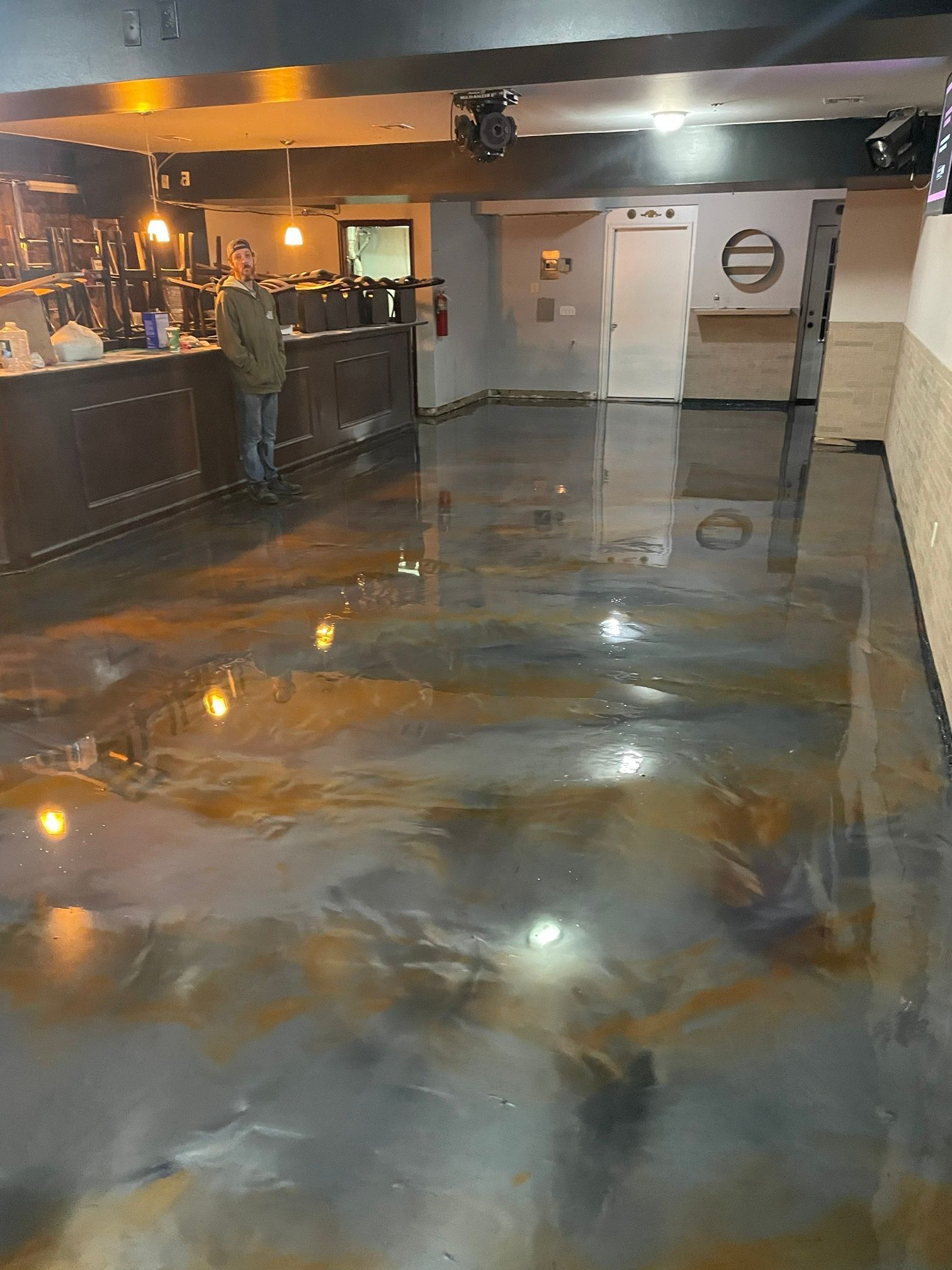
  • Topical sealers sit on the surface and form a visible film. Acrylic sealers add a slight sheen and are affordable, but they wear faster under heavy foot traffic and vehicles. Epoxy and urethane sealers offer the strongest protection. They’re what professionals use for high-performance floors. For homeowners who want that level of durability, our epoxy floor coating services use commercial-grade formulations that far outlast anything available at a hardware store.


For many DIY garage projects, a penetrating silane-siloxane sealer is the safest bet. It isn’t that hard to apply, doesn’t peel, and handles New Jersey's moisture swings without trapping vapor beneath the surface.


Step-by-Step Process for Sealing Your Concrete Floor

A close up of a painting of a river with a reflection of a mountain in the water.

The process is straightforward, but each step builds on the one before it. Skipping or rushing any phase is where most DIY projects go wrong.


Step 1: Clear and Inspect the Floor

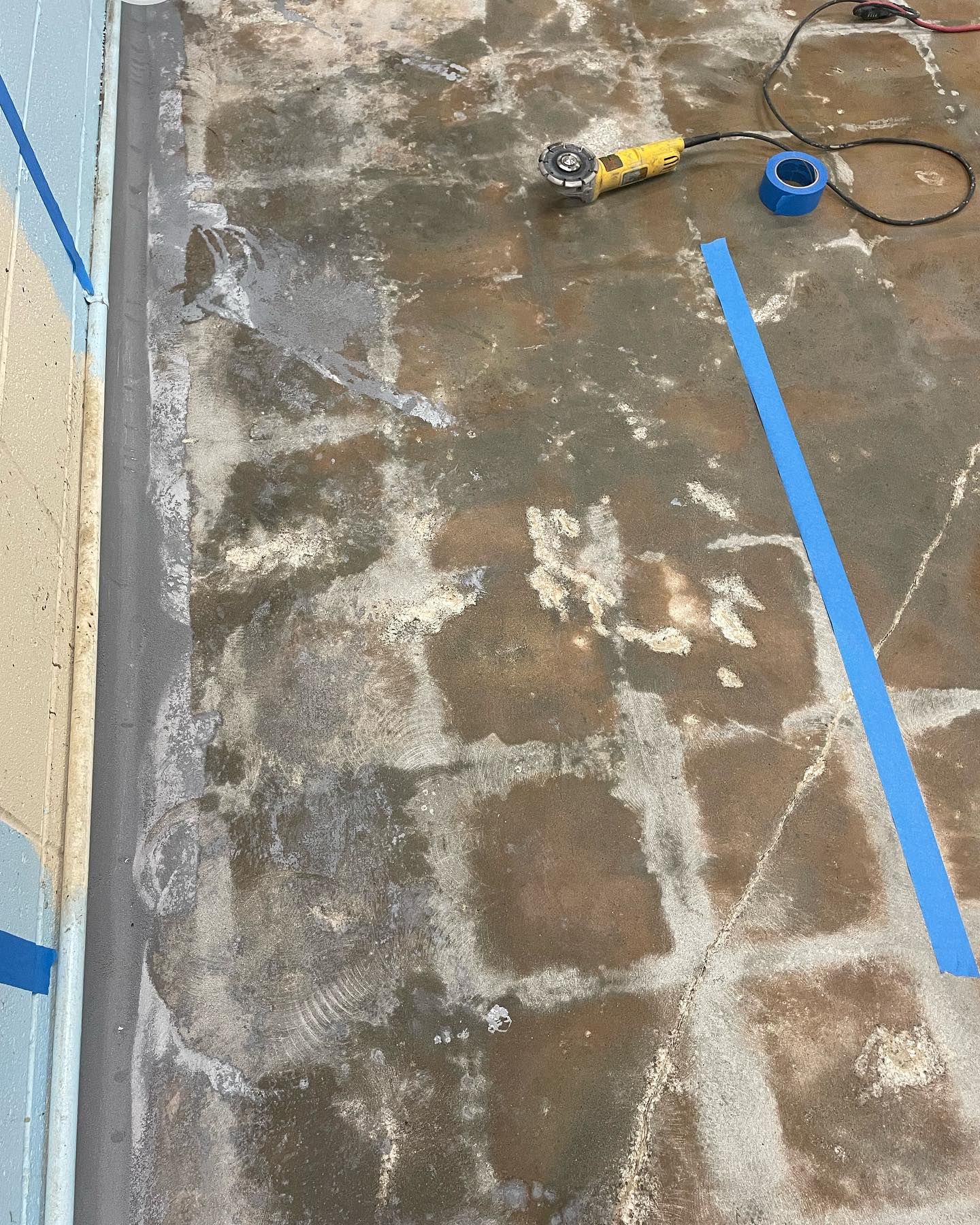
Remove everything from the surface. Look for cracks wider than a hairline, spalling (flaking or chipping), and any areas where old coatings are peeling. Patch cracks with a concrete repair caulk and let it cure fully.


Step 2: Clean the Concrete Thoroughly

Sweep, then scrub with a concrete degreaser to remove oil, grease, and grime. A pressure washer set to around 3,000 PSI works well for garage floors. The floor must be completely clean or the sealer will not bond properly.


Step 3: Test for Moisture

Tape a 2-foot square of plastic sheeting to the floor and leave it for 24 hours. If moisture collects underneath, you have a vapor issue that a topical sealer will trap, causing it to bubble and peel. Penetrating sealers handle this situation better. Our grind and seal process addresses moisture concerns by mechanically opening the surface before sealing.


Step 4: Apply the Sealer

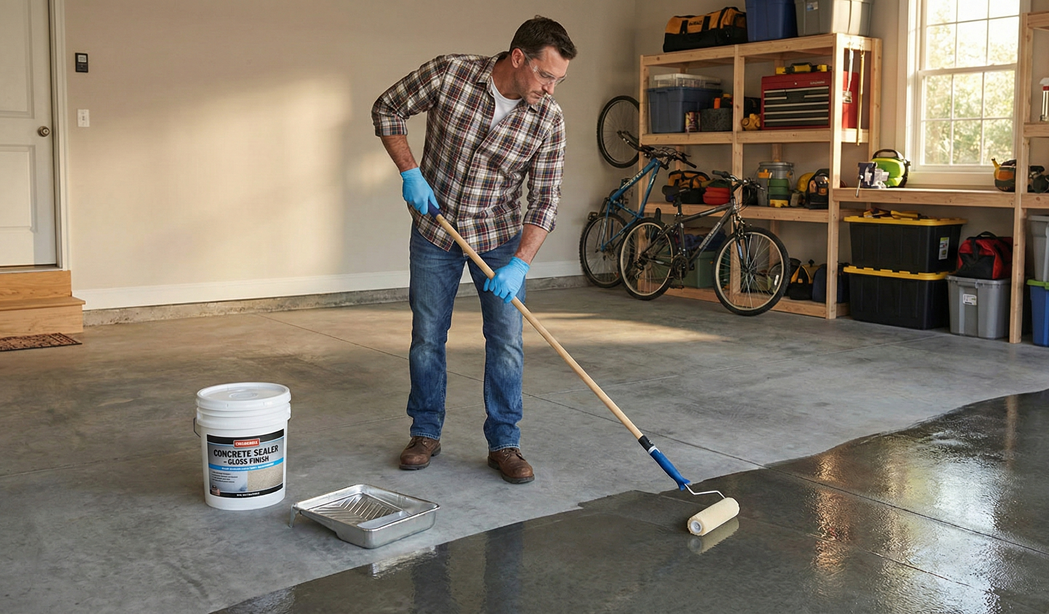
Use a 3/8-inch nap roller for most sealers. Work in small sections, applying thin, even coats. Two thin coats generally perform better than one thick coat. Allow the first coat to dry according to the manufacturer's instructions, usually 2 to 4 hours, before applying the second.


Step 5: Allow Full Cure Time

Most sealers need 24 to 72 hours to cure before foot traffic and up to 7 days before they can accept vehicle loads. Rushing this step is one of the most common reasons DIY seal jobs fail.


When To Call a Professional Instead

A close up of a painting of a river with a reflection of a mountain in the water.

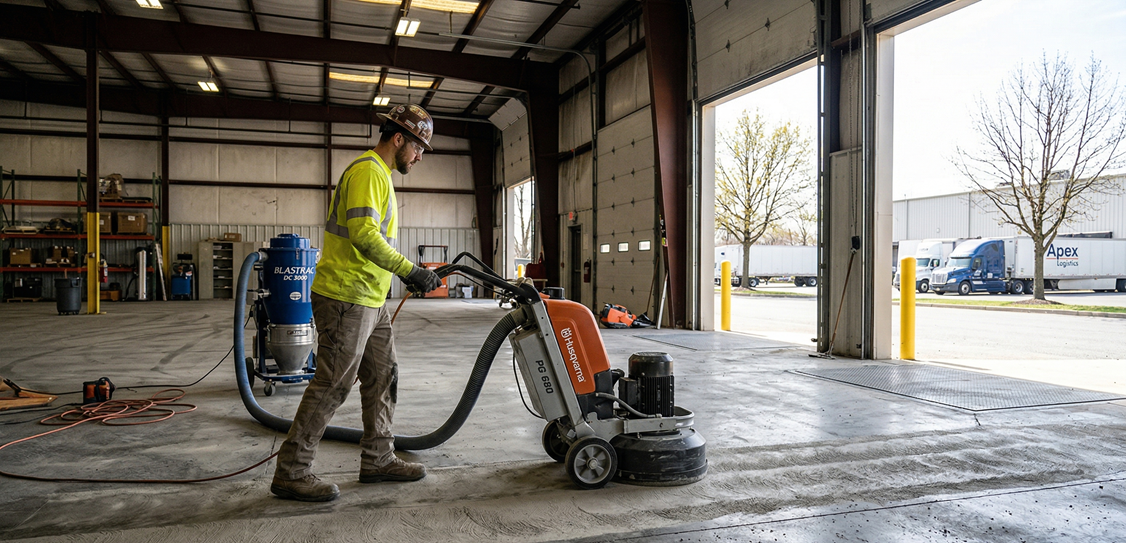
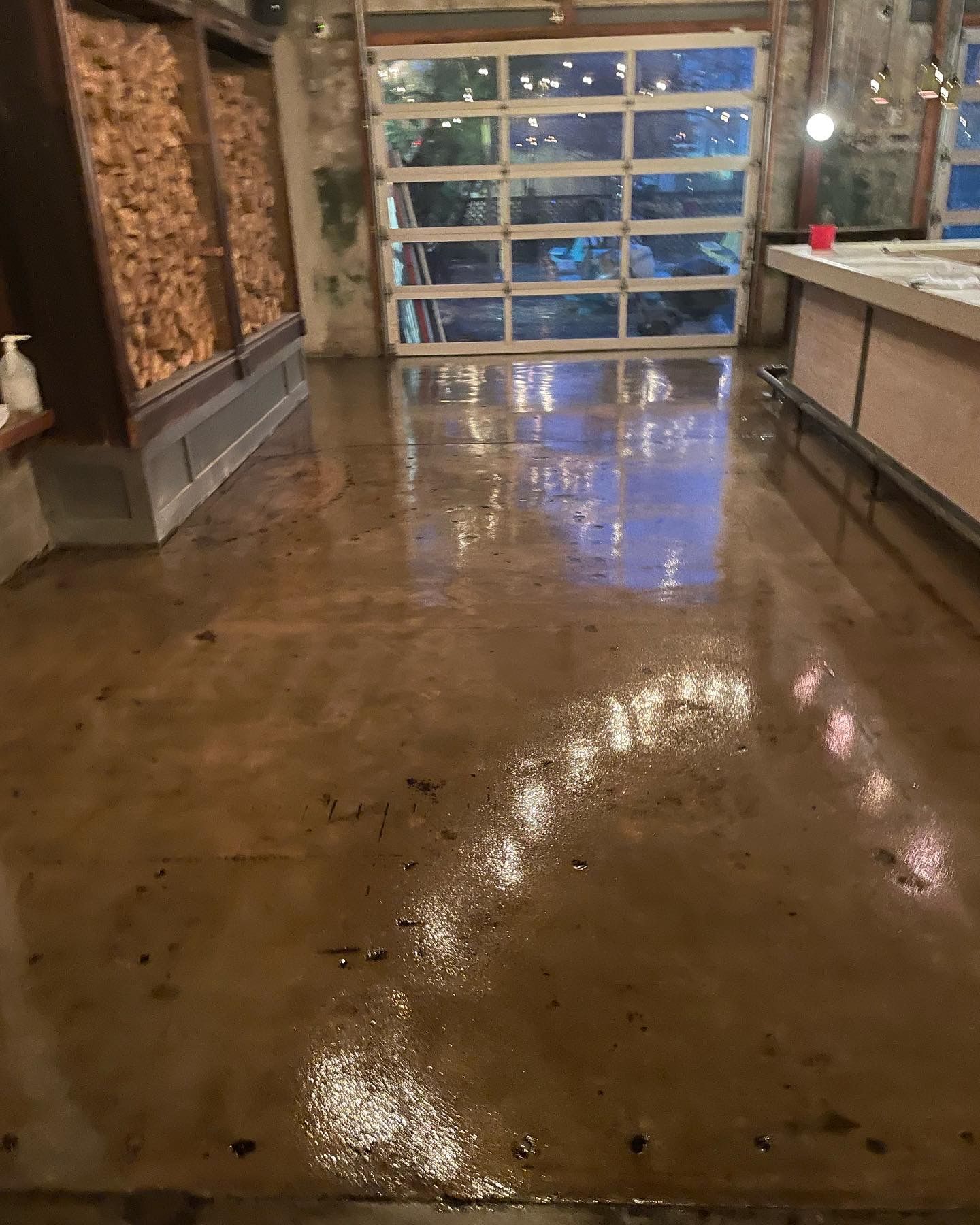
Some floors need more than a simple seal coat. If your concrete has extensive cracking, significant moisture problems, or heavy surface damage, professional preparation makes a big difference. Concrete polishing can restore damaged surfaces to a smooth, durable finish before any sealer is applied. Floors in finished living spaces or high-traffic commercial areas also benefit from professional-grade coatings that require diamond grinding equipment and controlled application conditions.


Many homeowners across Central New Jersey start a DIY seal project only to discover underlying issues. That’s exactly the kind of situation where professional results from a team like Concrete Refresh save money over the long run. 


Your Floor Deserves More Than a Coat That Peels in a Year

A close up of a painting of a river with a reflection of a mountain in the water.

Sealing your concrete floor protects it against the freeze-thaw cycles, road salt, and humidity that Central New Jersey delivers year-round. Choose the right sealer for your situation, prepare the surface properly, and apply thin coats with adequate cure time. 


For floors that need more than a basic seal, Concrete Refresh offers professional concrete sealing and coating solutions backed by a 5-Year Workmanship Warranty. Get your free quote now or call (908) 208-3698.

February 12, 2026
Learn how to do epoxy floor coating step by step, from surface prep to final cure. Plus, Concrete Refresh shares the best time of year for epoxy application.
February 9, 2026
Learn how to seal concrete floor surfaces step by step. Get DIY tips for NJ homeowners plus expert help from Concrete Refresh. Call (908) 208-3698.
February 5, 2026
Learn how to do concrete polishing with this professional guide covering diamond grit progression, densifiers, equipment, and timelines from NJ experts.
January 8, 2026
Planning a garage upgrade? Find out how much garage epoxy floors cost in Central NJ in 2026. Learn the 5 key factors for a professional, long-lasting finish.
January 5, 2026
Wondering how much concrete coating costs in Central NJ? Our 2026 guide breaks down pricing for epoxy, urethane cement, & more, ensuring you get the best value.
December 1, 2025
Deciding between urethane cement flooring vs epoxy? Compare thermal resistance, durability, and cost. Concrete Refresh explains which is right for your space.
December 1, 2025
Learn exactly how long concrete needs to cure before epoxy coating with this expert guide from Concrete Refresh, Central New Jersey's flooring specialists.
November 3, 2025
How much does concrete polishing cost in New Jersey? Get realistic estimates and learn about the factors that affect pricing from the Concrete Refresh team.
November 3, 2025
Discover why urethane cement floors are the ultimate heavy-duty industrial flooring solutions. Concrete Refresh shares what they are, their benefits, and more.
October 1, 2025
What is the best epoxy floor coating for New Jersey garages? Understand your floor coating options and get recommendations from the experts at Concrete Refresh.
Show More