What Does Concrete Polishing Do? Process, Pros, & Cons
What exactly does concrete polishing do to your floor, and is it worth the investment? If you’ve been staring at a dull, dusty garage or basement slab and wondering whether polishing could transform it, you’re asking the right question.
Central New Jersey property owners have trusted Concrete Refresh with their concrete floors for over 15 years. Polishing remains one of the most requested services we perform across Middlesex, Mercer, and Somerset counties. This guide walks you through exactly how the process works, where it shines, and where it falls short.

How Concrete Polishing Works Step by Step

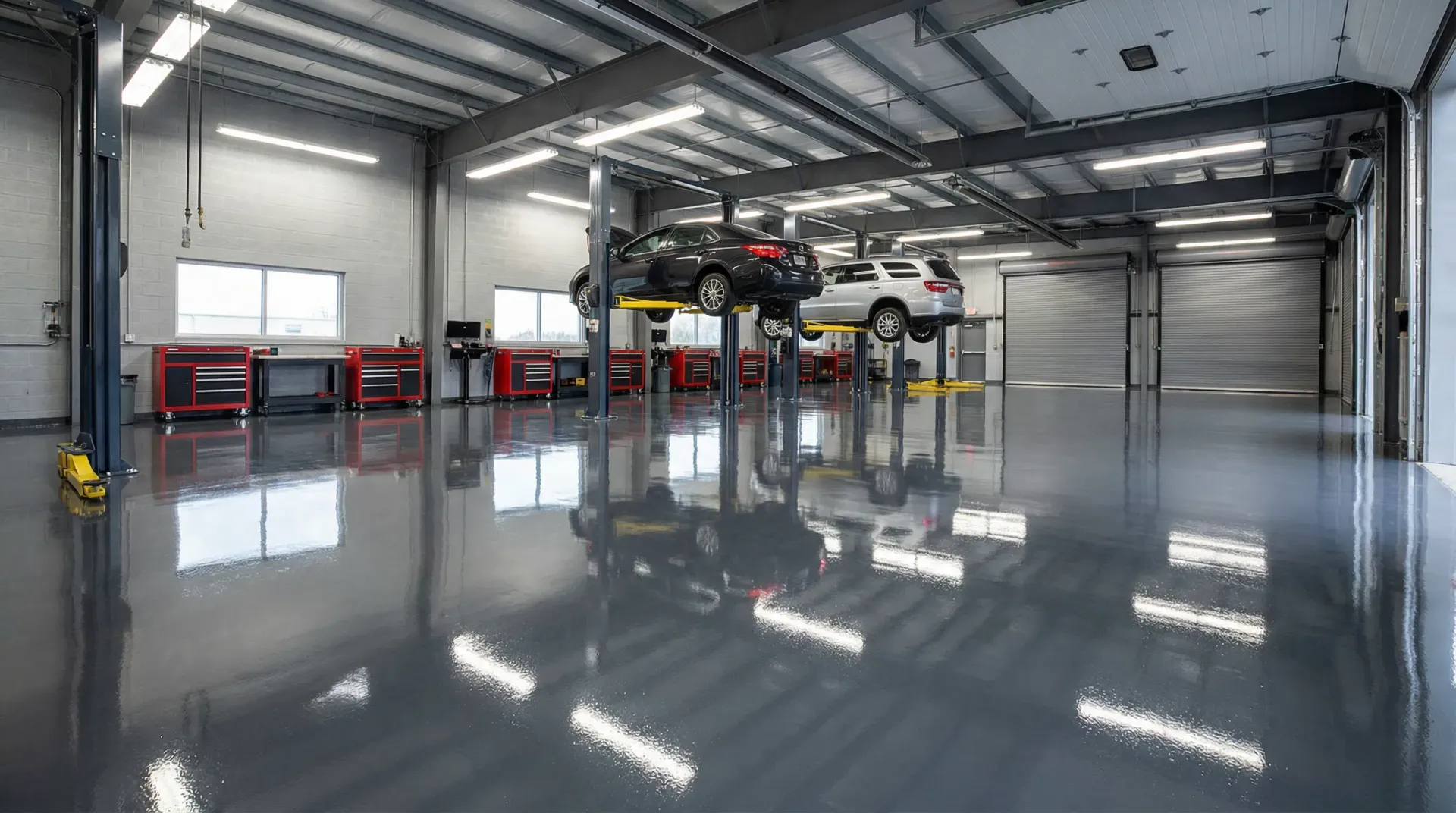
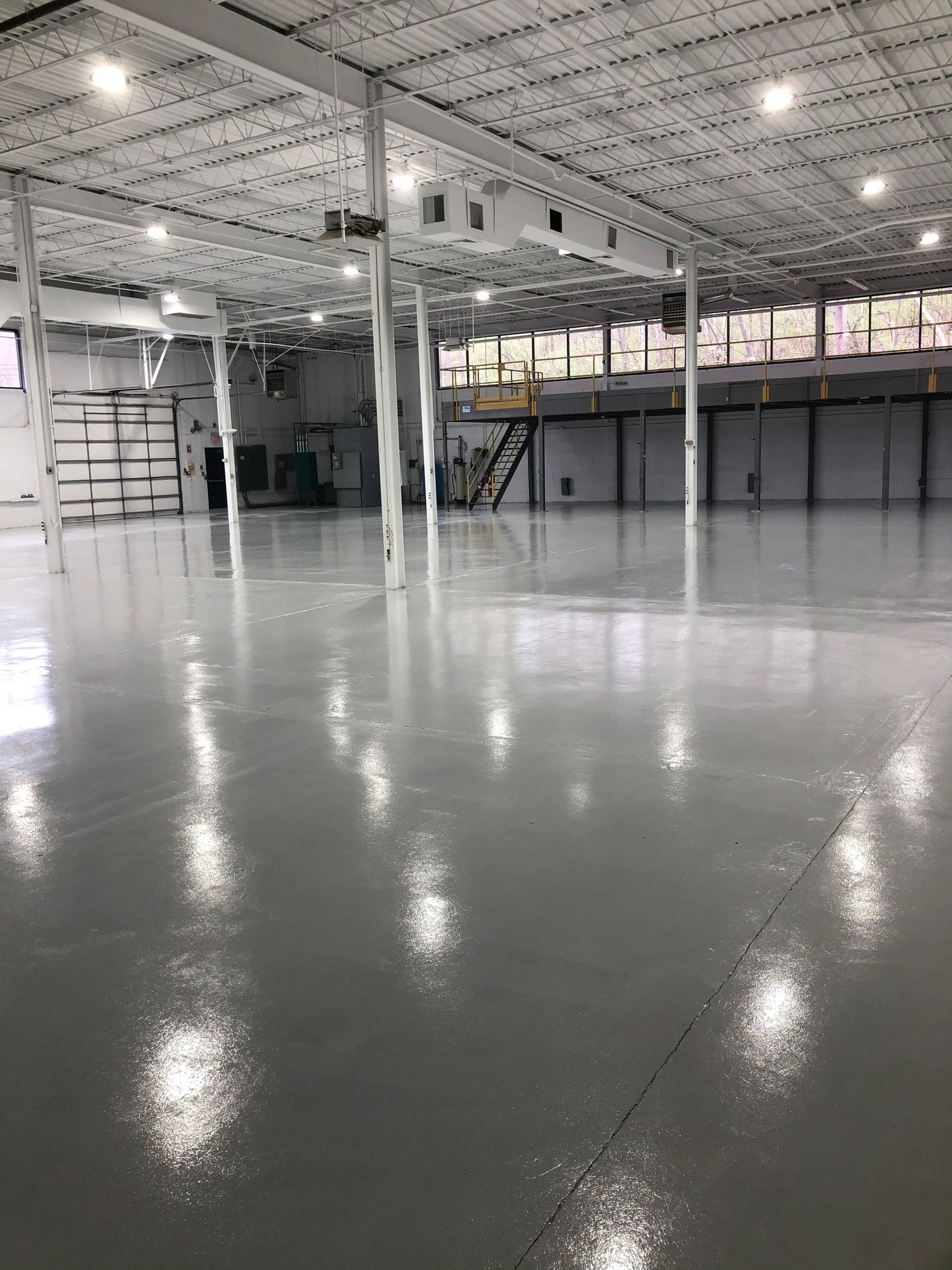
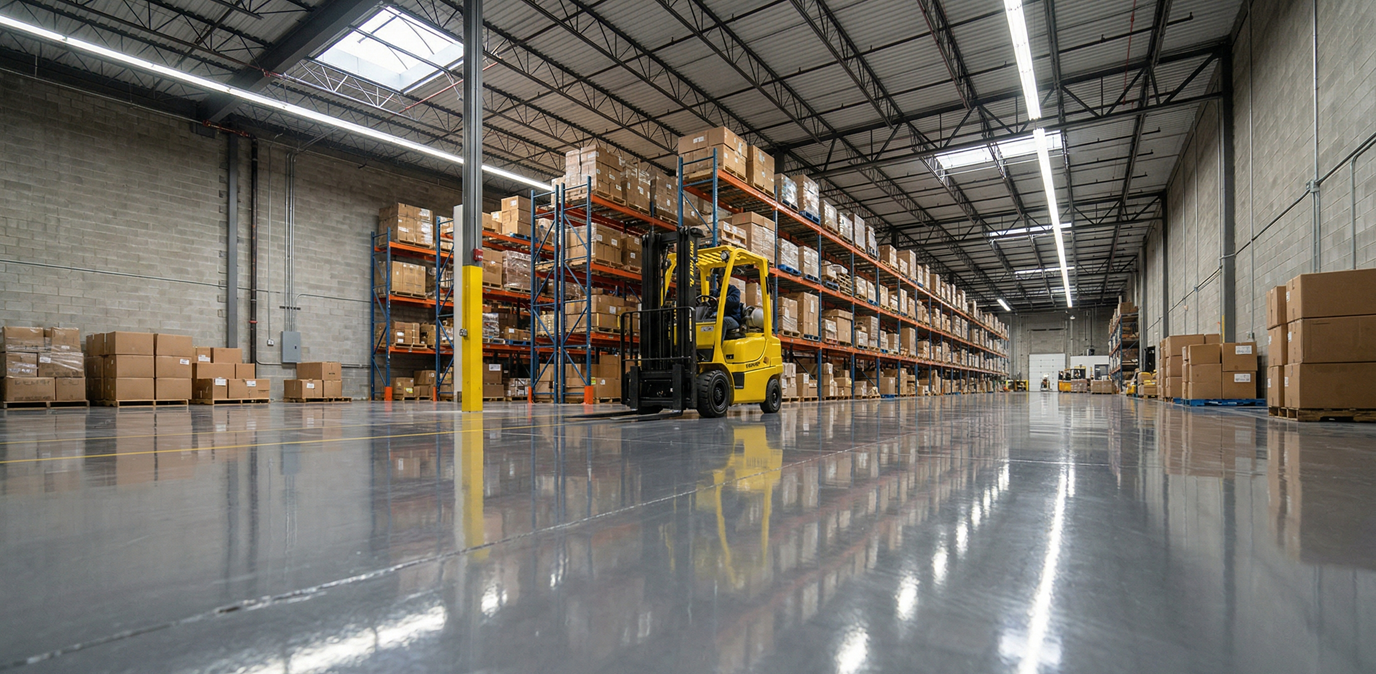
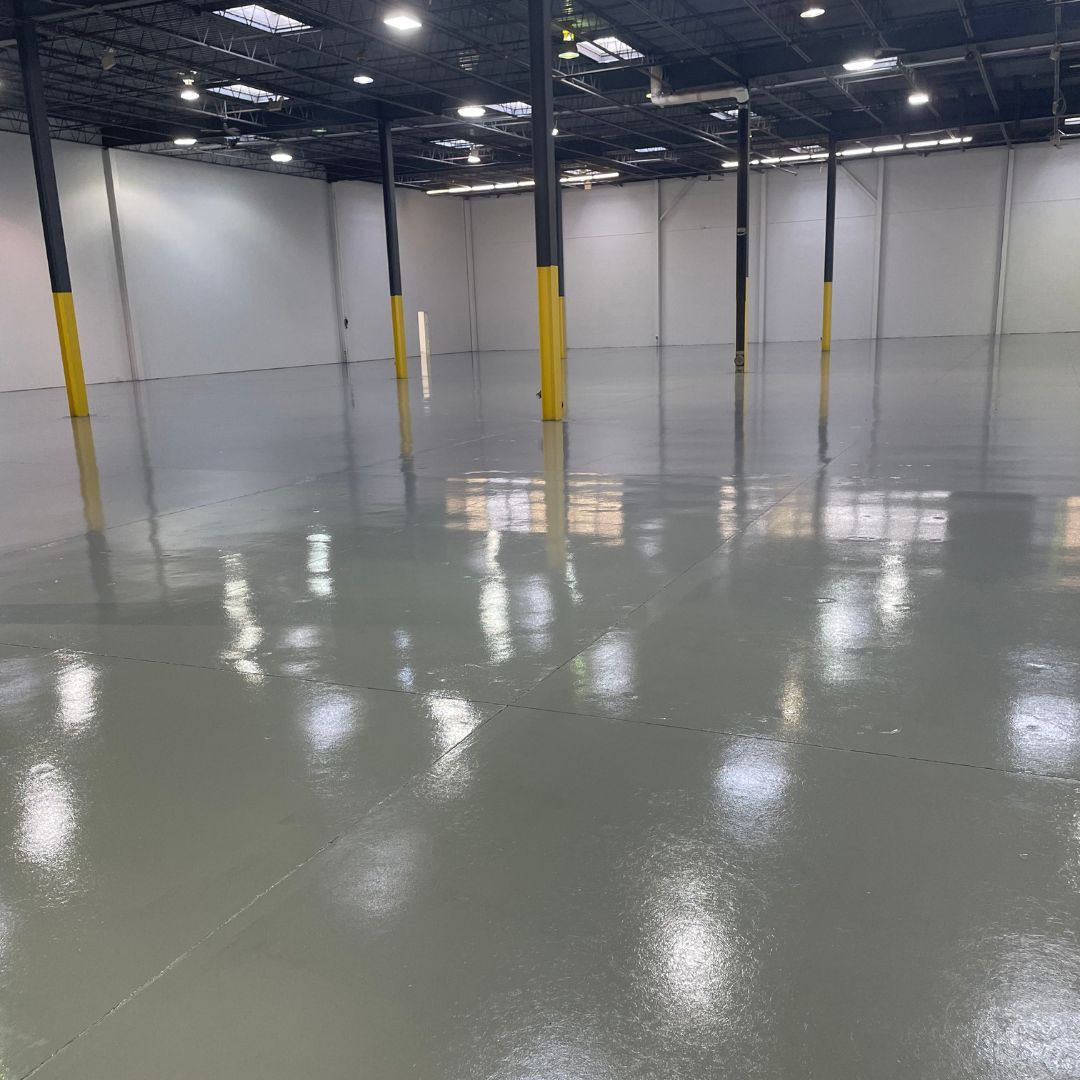
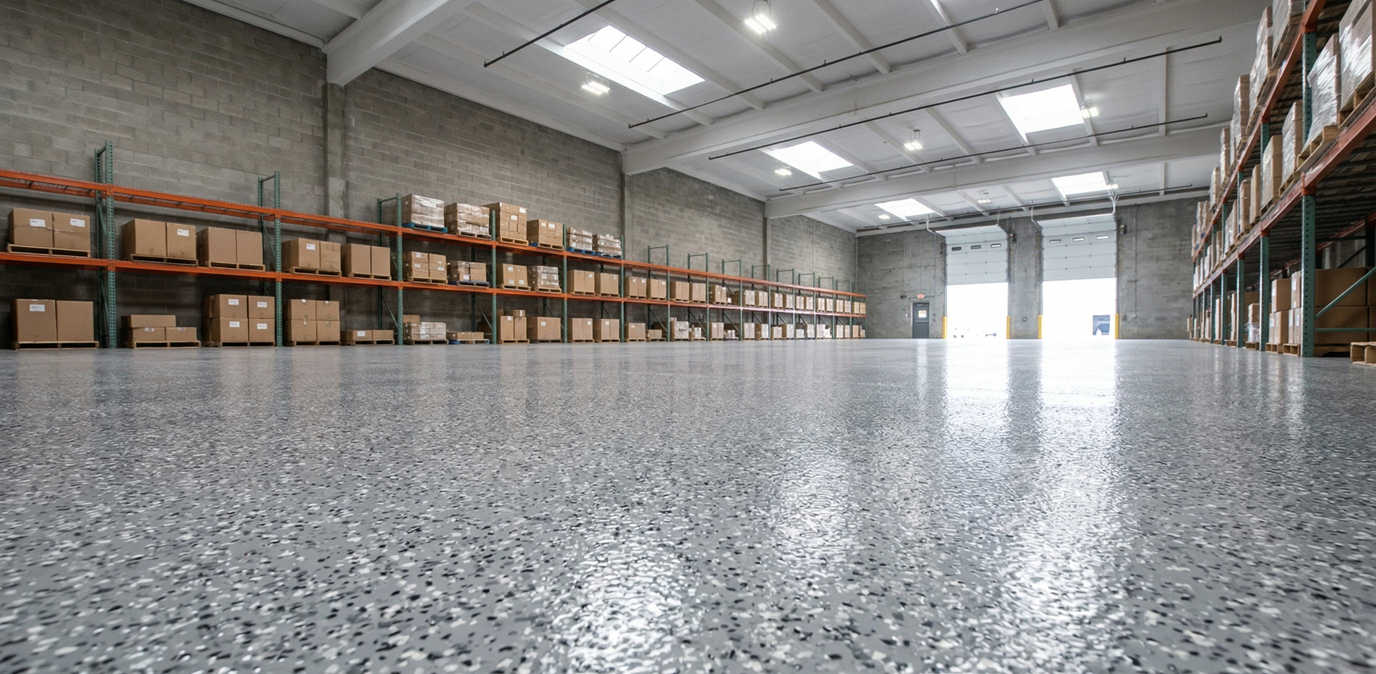
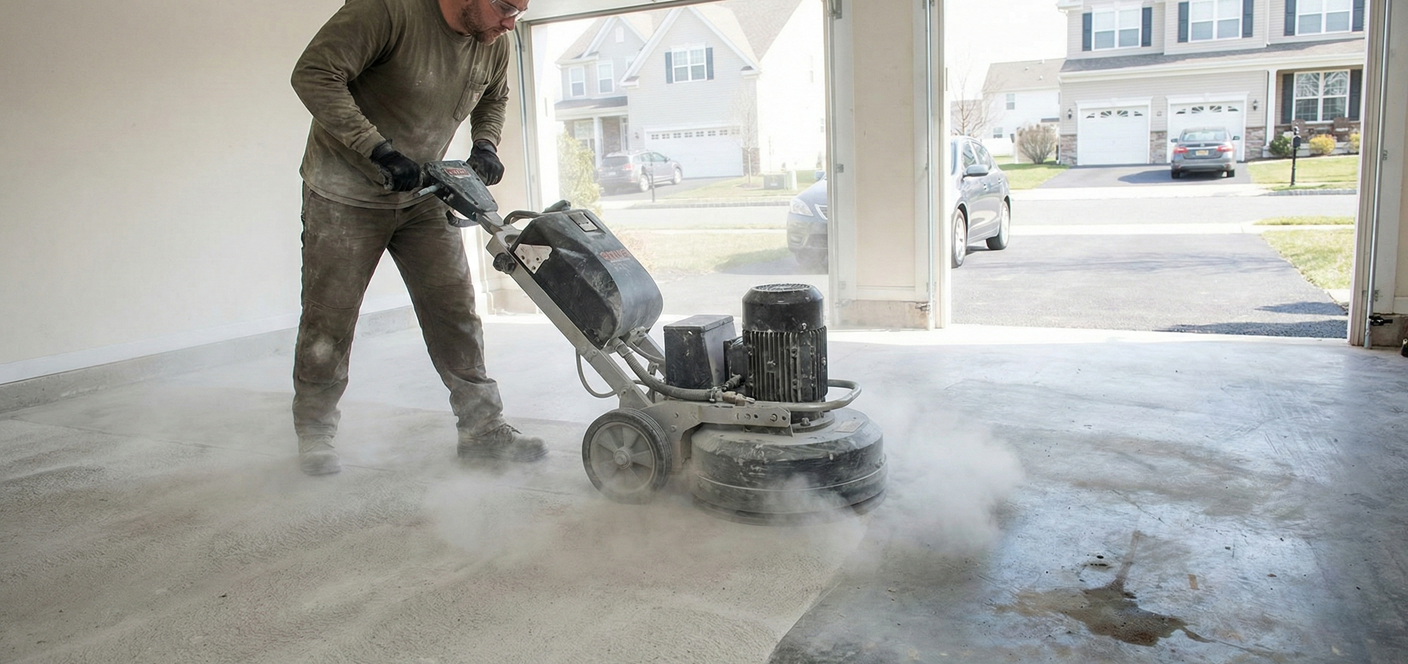
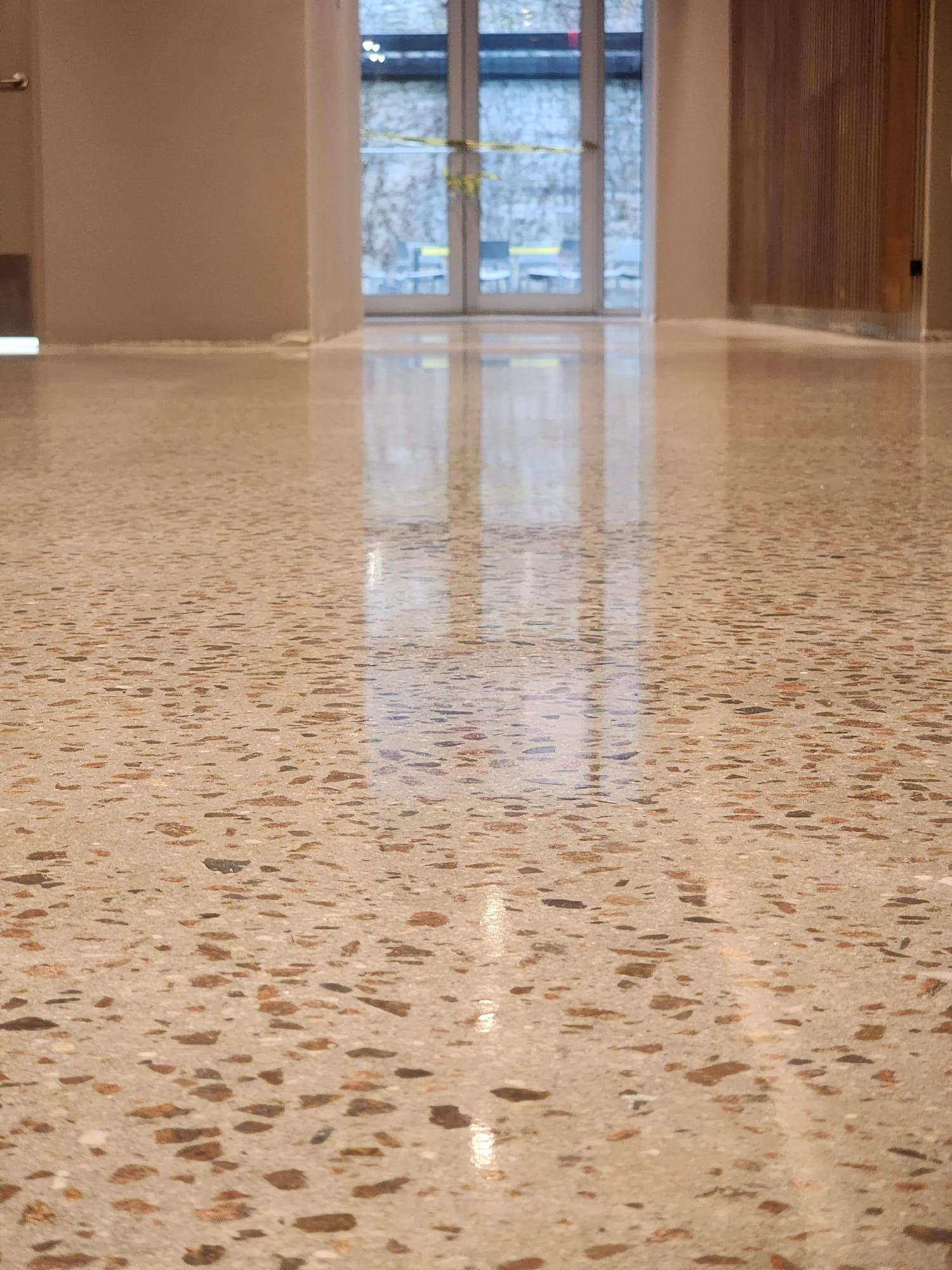
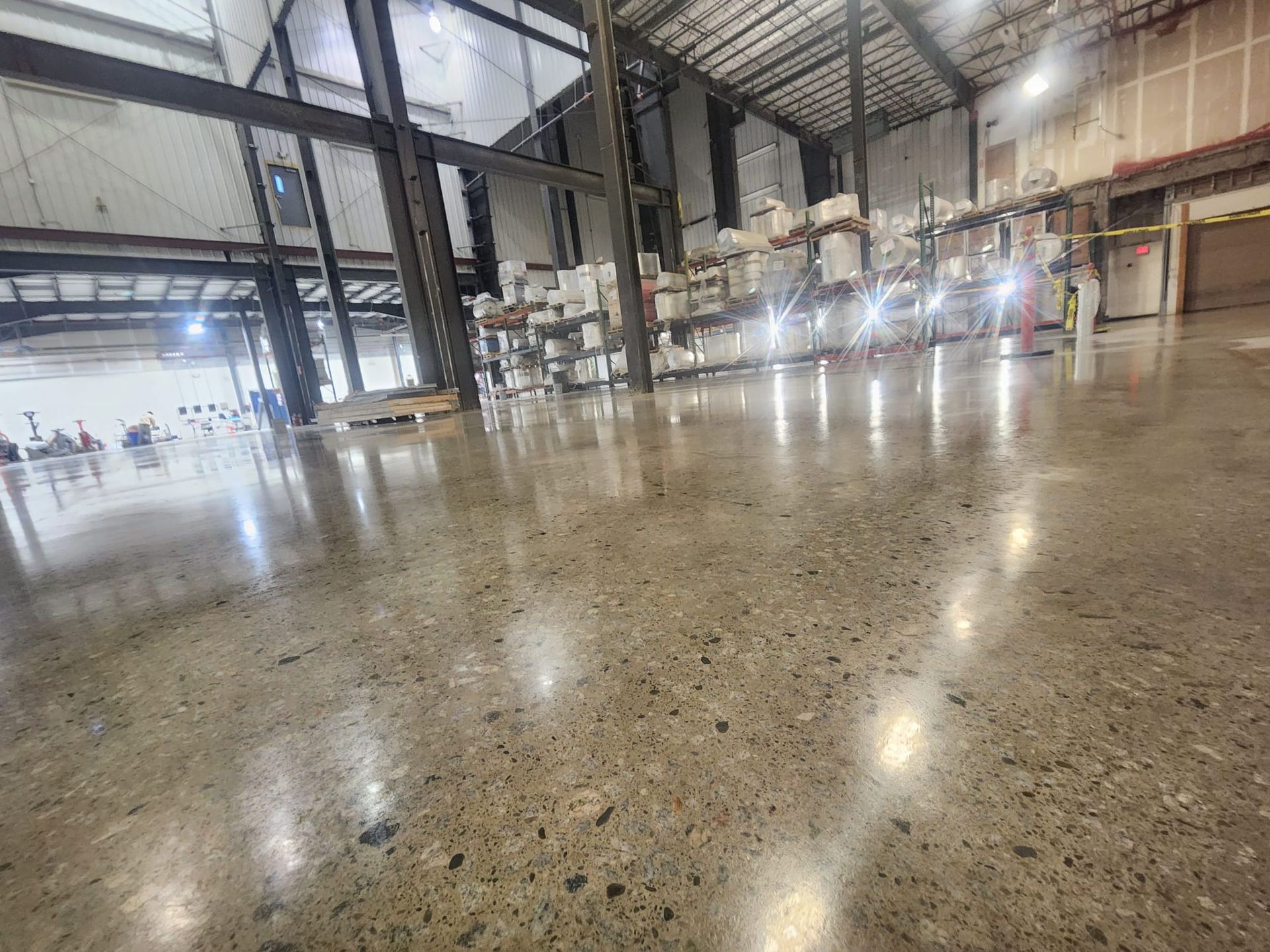
Concrete polishing is a mechanical process that grinds down a concrete surface using progressively finer diamond abrasives until the floor reaches a smooth, reflective finish. Think of it like sanding a piece of rough wood through multiple grits until it feels like glass. There are no coatings applied on top of the concrete. Instead, the shine comes from the concrete itself.
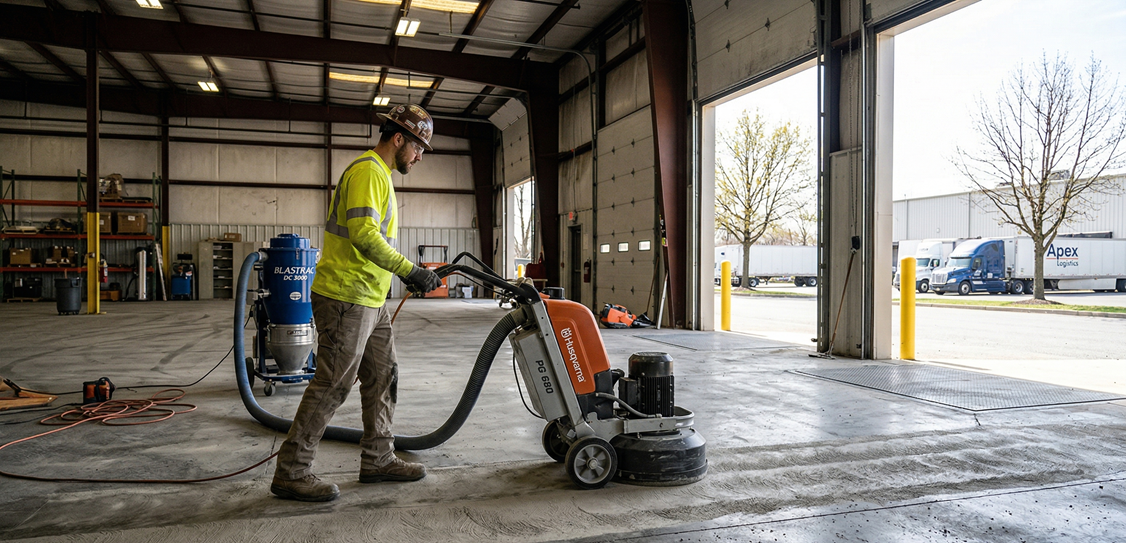
Here’s how our concrete polishing service transforms a raw slab into a finished floor:
- Inspection and prep. We assess the slab for cracks, coatings, or damage that could affect results. Any existing sealers or adhesives get removed first.
- Coarse grinding. Industrial diamond-segment tooling removes surface imperfections and opens up the concrete pores. This typically starts around 30 or 40 grit.
- Densifier application. A liquid chemical hardener, usually lithium silicate, is applied and soaks into the concrete. This fills microscopic pores, making the surface harder while reducing dust.
- Progressive polishing. We move through increasingly finer grits, often finishing at 800, 1500, or even 3000 grit depending on the level of sheen you want.
- Final burnishing. The last pass brings out the reflective quality that gives polished concrete its signature look.

The entire process usually takes one to three days depending on the square footage, slab condition, and the desired finish level.
The Pros of Polished Concrete

Polished concrete delivers real, measurable benefits that make it a strong choice for many Central New Jersey property owners.
Durability That Lasts Decades
A properly polished concrete floor can provide 20 or more years of service in many residential settings with proper maintenance. That lifespan outperforms most flooring options at a similar price point.
Virtually Zero Maintenance
Forget waxing, stripping, or recoating. Routine care is just dust mopping and occasional damp mopping. There are no topical layers to wear through or peel.
Dust Reduction
The densifier used during polishing seals the concrete pores, which stops the chalky dust that untreated slabs constantly shed. This is a big deal in garages and basements where dust settles on tools, vehicles, and stored belongings.
Better Lighting
The reflective surface of polished concrete can improve ambient lighting levels in a space, which means fewer fixtures or lower wattage bulbs in your space.
Resilience in NJ Conditions
Unlike some coatings that can peel under freeze-thaw stress or delaminate from road salt exposure, polished concrete doesn’t have a surface layer that can fail. The finish is part of the slab itself. That matters in our region, where winter temperatures and salt-laden vehicles punish garage floors from November through March.

For property owners comparing options, our full range of services can help you see how polishing stacks up against alternatives.
The Cons of Polished Concrete

Polished concrete has real limitations you should weigh before committing.
Not Every Slab Qualifies
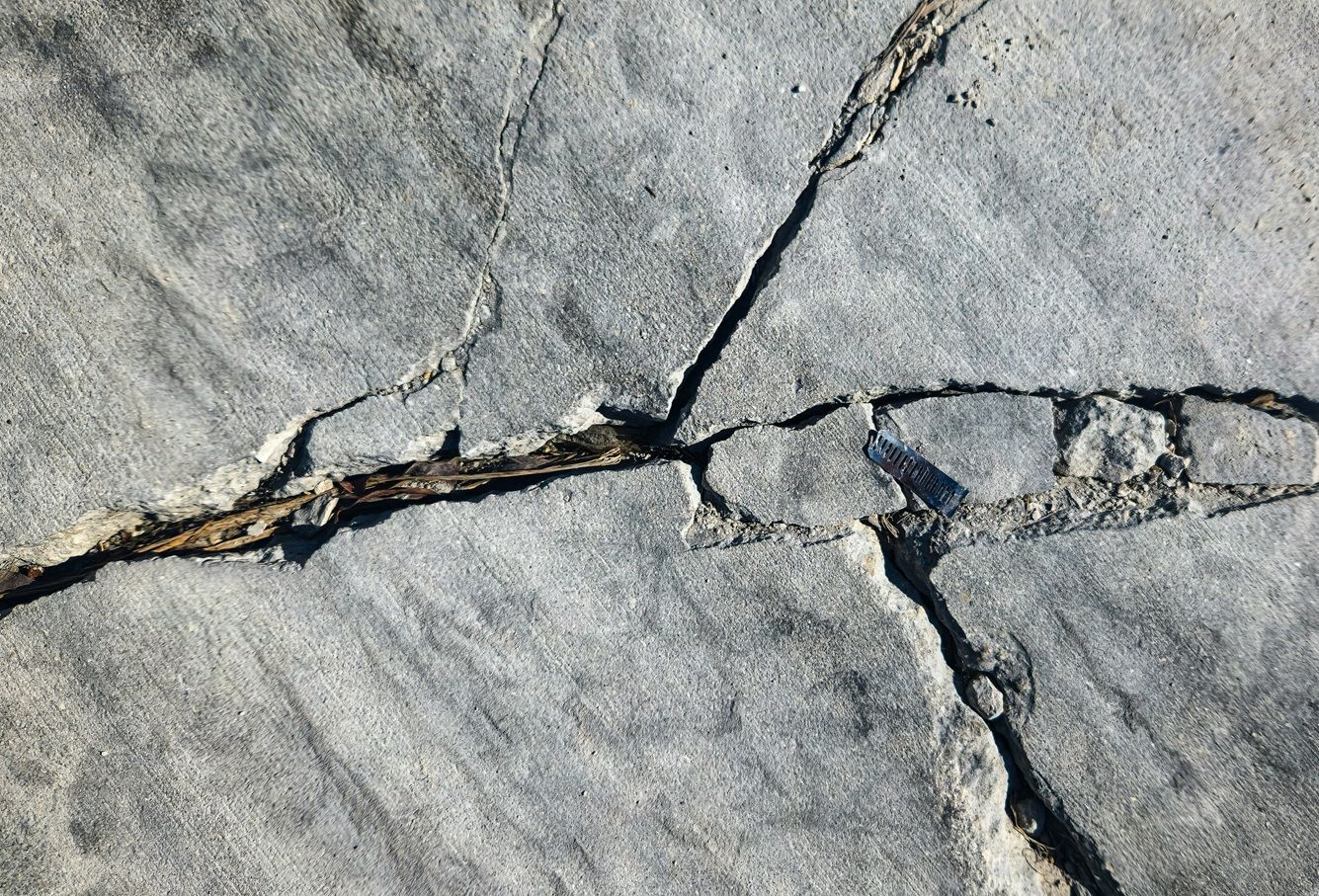
If your concrete has deep cracks, significant spalling, or major surface damage, polishing will not hide those problems. Badly deteriorated slabs may need a concrete overlay or repair work before polishing becomes an option.
Slippery When Wet
Polished concrete can be slick when water is present unless an anti-slip treatment is added. In spaces exposed to rain, snowmelt, or spills, this is a factor worth discussing during your consultation.
Limited Color Options
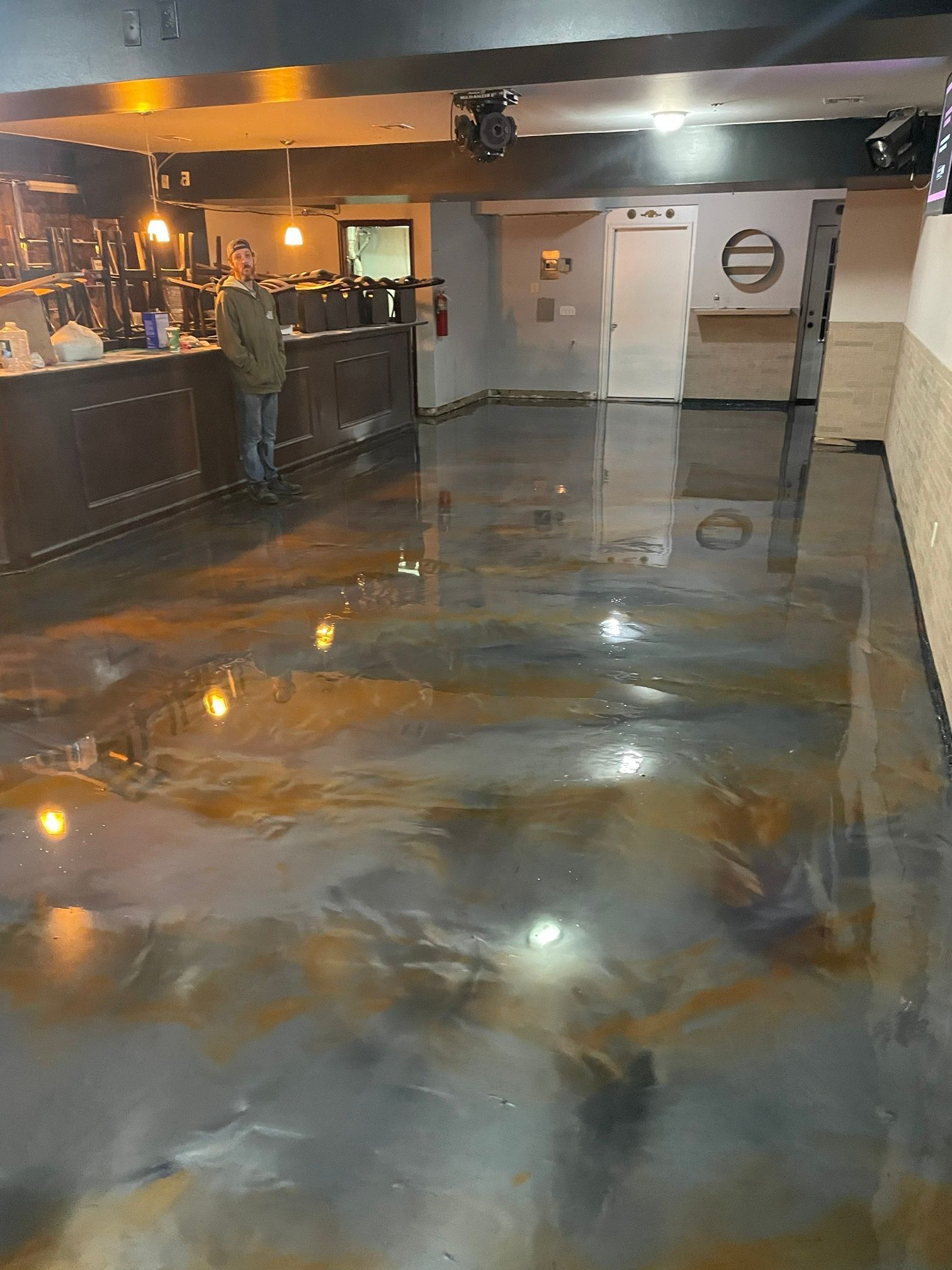
Polishing reveals the natural color of your existing slab, which is typically some shade of gray. If you want bold colors, patterns, or custom designs, an epoxy coating system offers far more creative flexibility.
Cold Underfoot
Concrete is a poor thermal insulator, and polishing doesn’t change that. In New Jersey winters, a polished basement or garage floor will feel cold. Area rugs or radiant heating are common workarounds, but they add cost.
Will Not Mask Major Damage
Polishing enhances what’s already there. Minor imperfections can add character, but large patches, deep gouges, or uneven sections will still show through.

Find Out if Your Floor Is a Good Candidate for Polishing

Concrete polishing does one thing exceptionally well: it takes a sound concrete slab and turns it into a durable, low-maintenance, attractive floor without adding a surface coating. For Central New Jersey homeowners with solid slabs in good condition, polishing is one of the smartest long-term investments they can make.

If your slab has issues or you want more color options, that doesn’t mean polished concrete is off the table. We just need to take an honest look at your floor first. Call Concrete Refresh at
(908) 208-3698
or
get your free quote to find out exactly what your floor needs.