The Commercial Epoxy Floor Installation Process: What NJ Businesses Should Expect

April 9, 2026

The epoxy floor coating process for commercial spaces typically spans two to three days and covers mechanical surface preparation, primer, base coat, decorative broadcast (if specified), and a protective topcoat. Concrete Refresh has completed commercial and industrial epoxy installations across Middlesex, Mercer, and Somerset counties, and the timeline depends heavily on the concrete’s condition and the type of facility.


After 15 years installing industrial concrete coatings across Central New Jersey, the most common thing we hear from facility managers is: "the last contractor didn't explain any of this." Surface profiles, MVER testing, cure windows. These aren't upsells. They're what determines whether a commercial floor holds up for years or shows failure signs within the first year. 


This post explains what a proper installation actually involves, so you can recognize quality work when you see it quoted.


Why Surface Preparation Makes or Breaks a Commercial Epoxy Job

There is a staircase in the corner of the room.

Every commercial epoxy failure we've investigated traces back to the same cause: inadequate surface preparation. The bond depends entirely on how the concrete was profiled before any coating touched it.


Mechanical grinding is the standard for commercial floors. Grinders strip surface contaminants and open the concrete pores so epoxy can bond mechanically. The International Concrete Repair Institute (ICRI) specifies a Concrete Surface Profile between CSP 3 and CSP 5 for epoxy systems, a measurable roughness standard. Miss that range and adhesion failures often follow within months, regardless of coating brand.


Crack repair happens here too. In warehouses near the NJ Turnpike corridor (Piscataway, South Brunswick, Robbinsville), untreated cracks commonly telegraph through coatings within the first year of forklift traffic. Plan on prep taking most of day one, sometimes into day two on damaged slabs.


The Application Stages NJ Businesses Should Plan Around

A close up of a cracked concrete surface.

Once the surface passes inspection, the coating system goes down in layers. Understanding the sequence helps facility managers plan around shifts and temporary access points.


Commercial applications are typically executed in this order:


  • Primer coat: Penetrates the profiled concrete and seals the slab. Dry time is 4 to 8 hours. NJ's spring and fall shoulder seasons can extend this in unheated buildings.
  • Base coat (epoxy body coat): The structural layer providing thickness, color, and chemical resistance. Applied after the primer cures.
  • Decorative broadcast (optional): For commercial concrete coatings in offices or retail spaces, colored flake or quartz goes into the wet base coat for slip resistance and aesthetics.
  • Topcoat (polyaspartic or urethane): The wear surface resists abrasion, UV, and chemical contact. This coat determines long-term durability.


Each layer needs a cure window before the next goes down. Skipping or compressing those windows is how delamination shows up months after installation.


What Disrupts Curing and How Good Contractors Minimize It

A close up of a cracked concrete surface.

Two conditions trip up NJ facilities regularly: moisture vapor and temperature. Concrete slabs emit moisture vapor continuously, and spring installs, right after an NJ winter, carry real risk. A qualified installer measures the moisture vapor emission rate (MVER) before applying any epoxy floor coating system. High MVER means a delayed start or a moisture-tolerant primer. Skipping the test is the most common shortcut that ends in bubbling and peeling.


Temperature matters too. Most epoxy systems cure properly between 50°F and 90°F. In unheated Central NJ warehouses during winter, that window closes fast.


How Long Before Your Business Is Back to Full Operation

A close up of a cracked concrete surface.

Light foot traffic is typically safe at 24 hours. Forklift and heavy equipment traffic requires a 72-hour cure minimum. Some industrial coatings specify up to seven days for full chemical resistance.

For most commercial clients, our installation process is structured in phases: coating one section while keeping another operational. Facilities rarely need a full shutdown; the tradeoff is a slightly longer overall schedule.


Frequently Asked Questions

How does concrete condition affect the commercial epoxy floor installation timeline?

Concrete with deep cracks, spalling, or heavy grease requires additional prep before any coating goes down. A two-day job on a clean slab can stretch to four days on a neglected industrial floor. Concrete Refresh assesses every slab before quoting a timeline so the scope is locked in before work begins.


Can commercial epoxy floors be installed in an occupied building?

Yes, in most cases. Installers work in sections to keep part of the facility accessible, and modern low-VOC formulations reduce odor significantly. Ventilation is still required, and food-handling areas must be vacated during application. Off-hours or weekend scheduling is common for retail and restaurant spaces.


What's the difference between commercial and residential epoxy installation?

Commercial systems are typically two to three times the mil thickness of a residential garage floor and require industrial-grade grinding equipment. Product specs, application tools, and performance standards all differ. A contractor whose primary work is garage floors may not carry the equipment or experience a high-traffic commercial facility demands.


Plan Your Commercial Floor Coating Project

The commercial epoxy floor coating process rewards preparation. Facilities that build in realistic cure windows and work with an installer who tests moisture and temperature properly end up with floors that outlast the ones rushed through in a day. Skip those steps and a redo is often not far behind.


Concrete Refresh serves warehouses, restaurants, offices, and industrial facilities across Central New Jersey. If you're evaluating your options, contact us for a free estimate. We'll assess your slab and walk you through what the job actually requires before any work begins.

An empty underground parking garage with purple walls and blue floors.
By Eric April 8, 2026
Why is industrial epoxy flooring the top choice for NJ automotive shops and showrooms? Learn about its chemical resistance, durability, & more.
April 7, 2026
Comparing polyaspartic vs epoxy flooring for NJ commercial spaces? Learn which coating handles downtime, durability, and New Jersey conditions better.
April 6, 2026
Discover epoxy flooring pros and cons for commercial and industrial facilities in NJ. Learn where epoxy excels, where it falls short, and what to use instead.
April 3, 2026
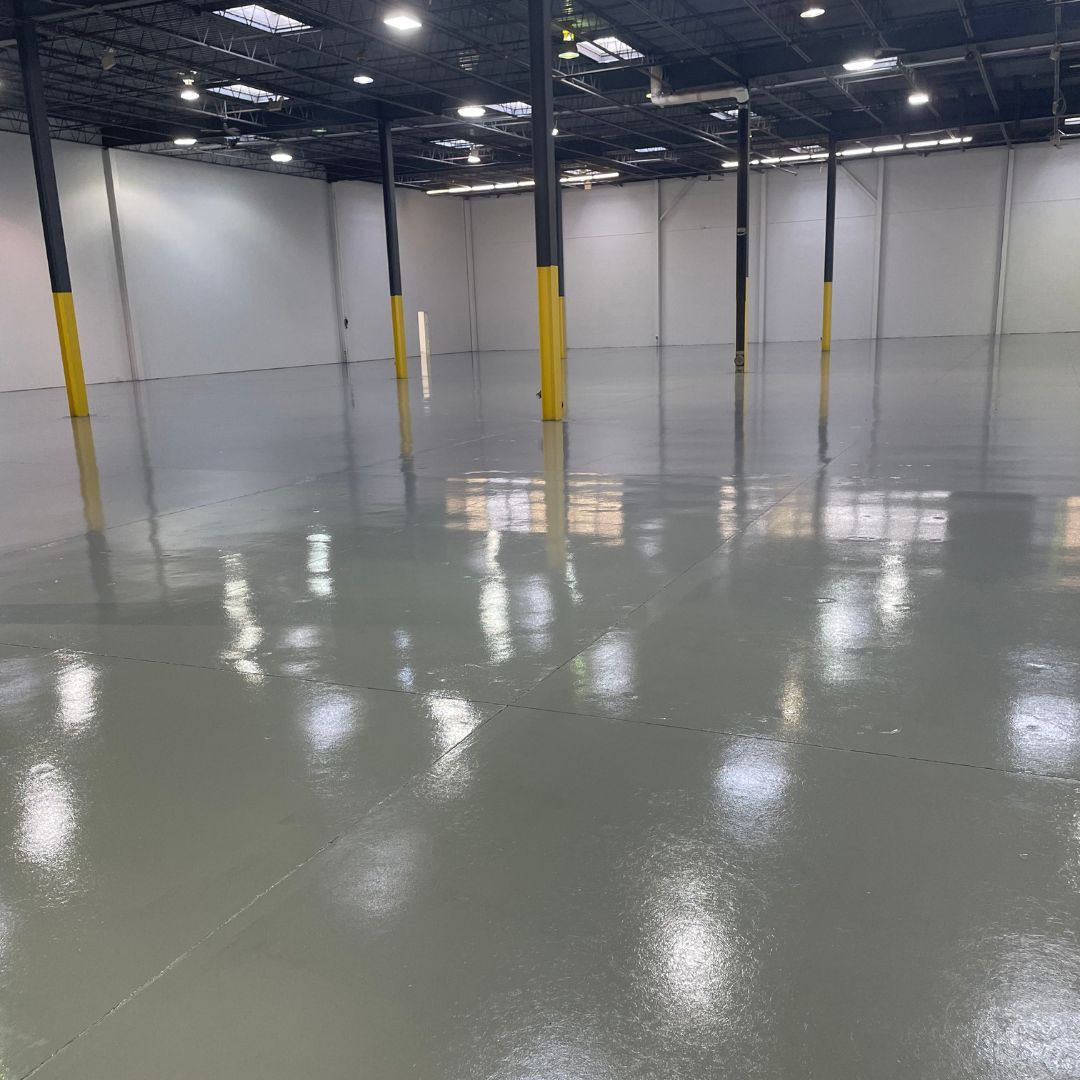
Learn which industrial floor coating is right for your NJ facility—epoxy, urethane cement, or polished concrete—and how each performs in real-world conditions.
April 3, 2026
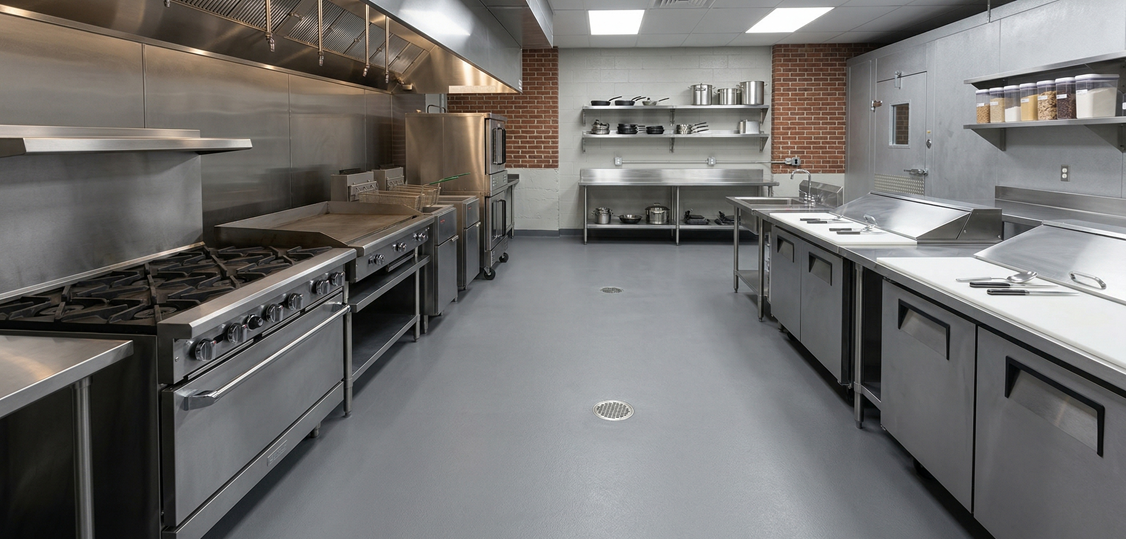
Compare epoxy, tile, and urethane cement for commercial kitchen floors. See which holds up to heat, grease, and health codes in NJ food service facilities.
April 2, 2026
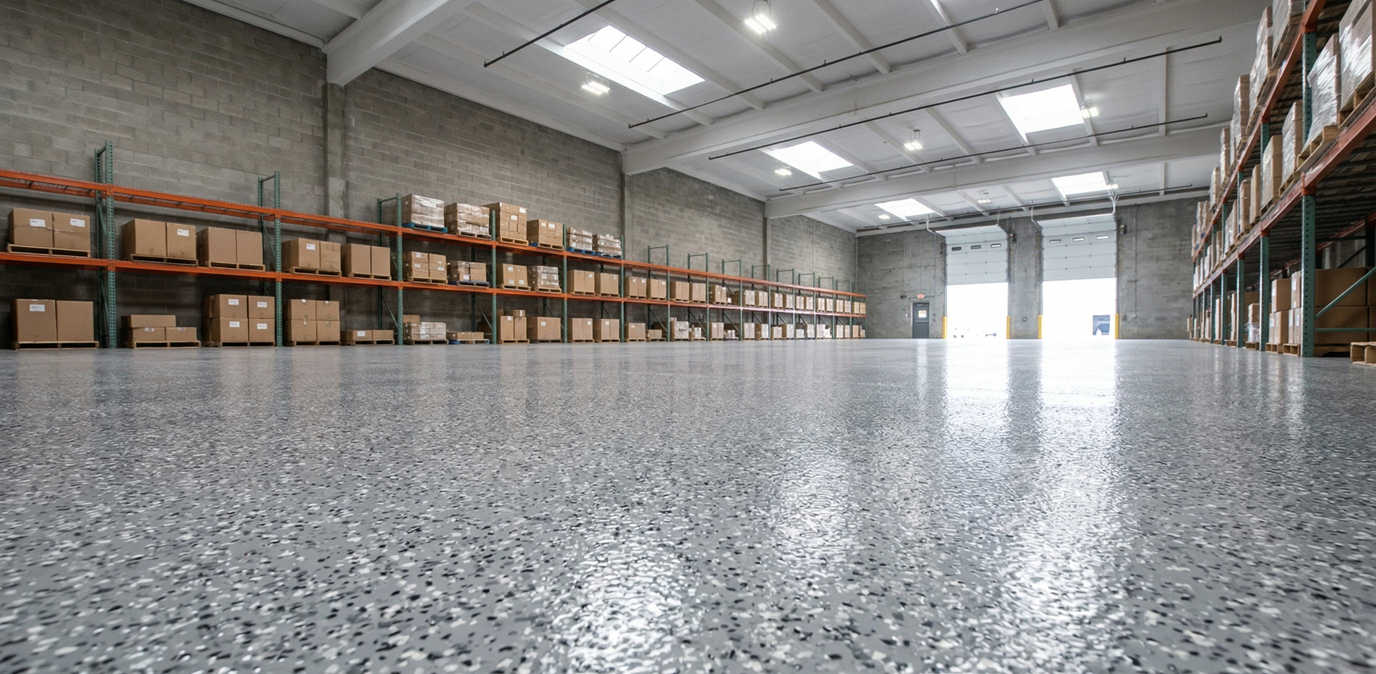
Commercial epoxy flooring in NJ costs $3–$12/sq ft installed. See what drives pricing, system options, and what to ask before signing a quote.
April 1, 2026
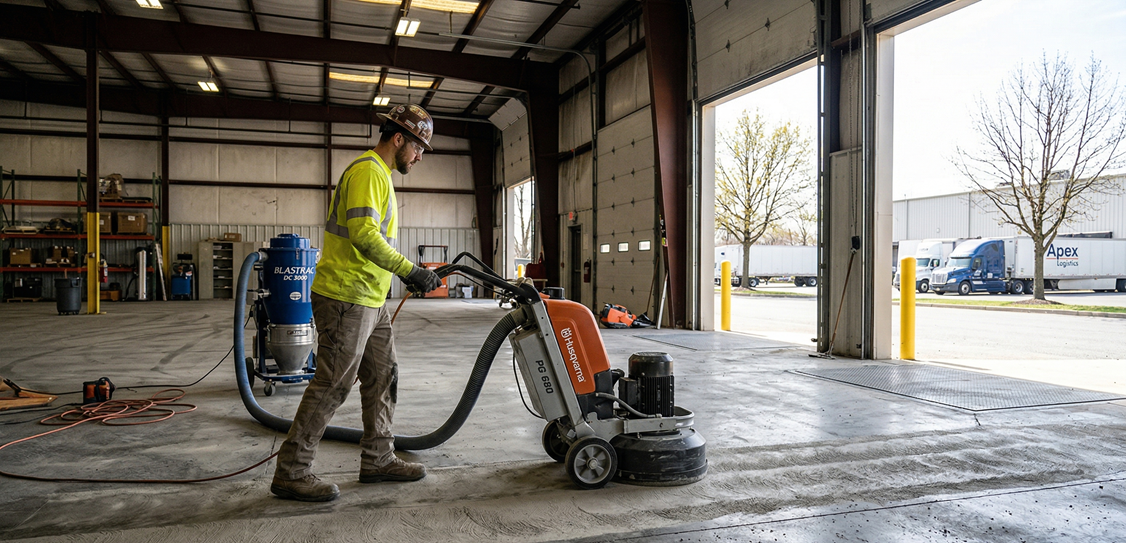
Spring is the best time to install commercial epoxy in NJ. Learn why temperature and timing matter, and how Concrete Refresh carefully prepares NJ floors.
March 11, 2026
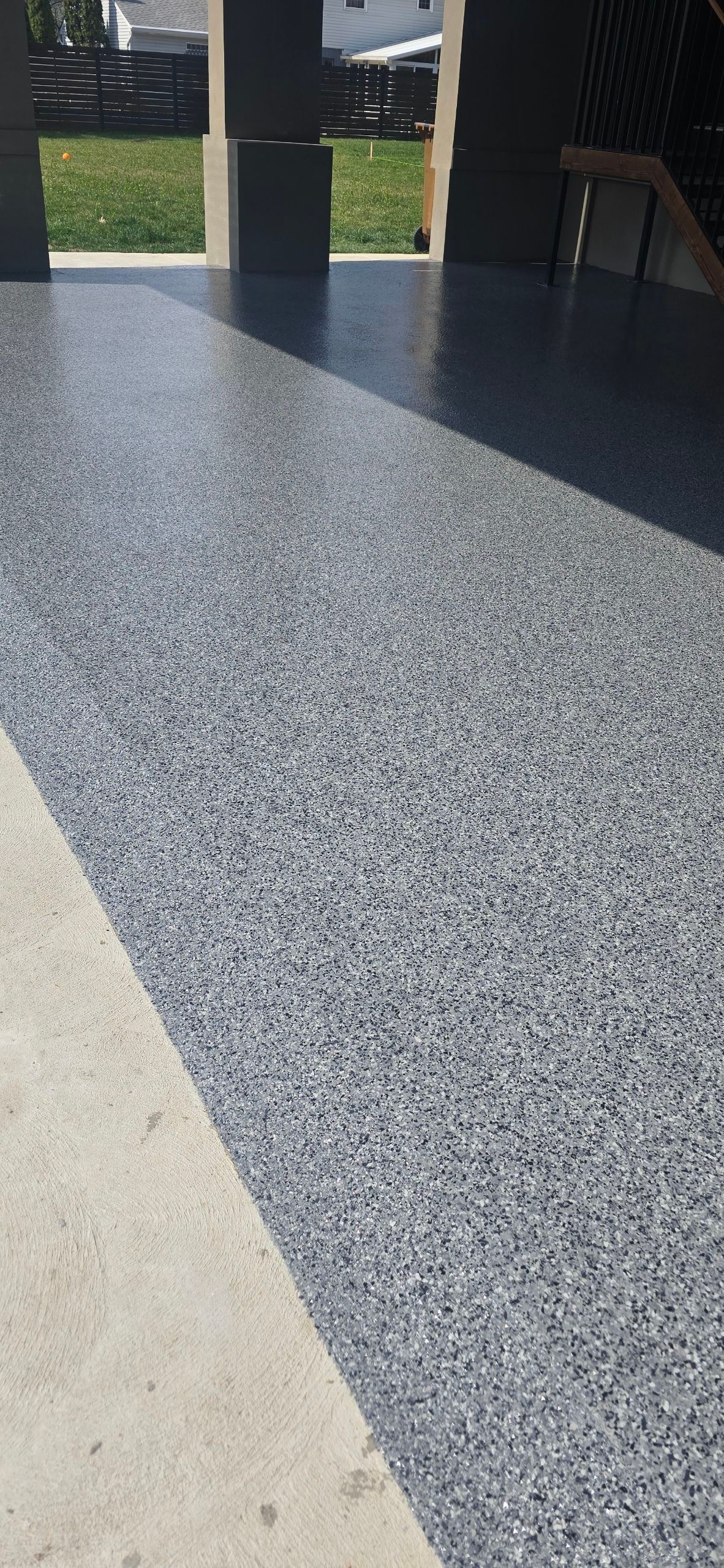
Can you epoxy outdoor concrete? Yes, but standard epoxy fails in NJ's climate. Learn which epoxy systems work for patios and pool decks, and which don't.
March 9, 2026
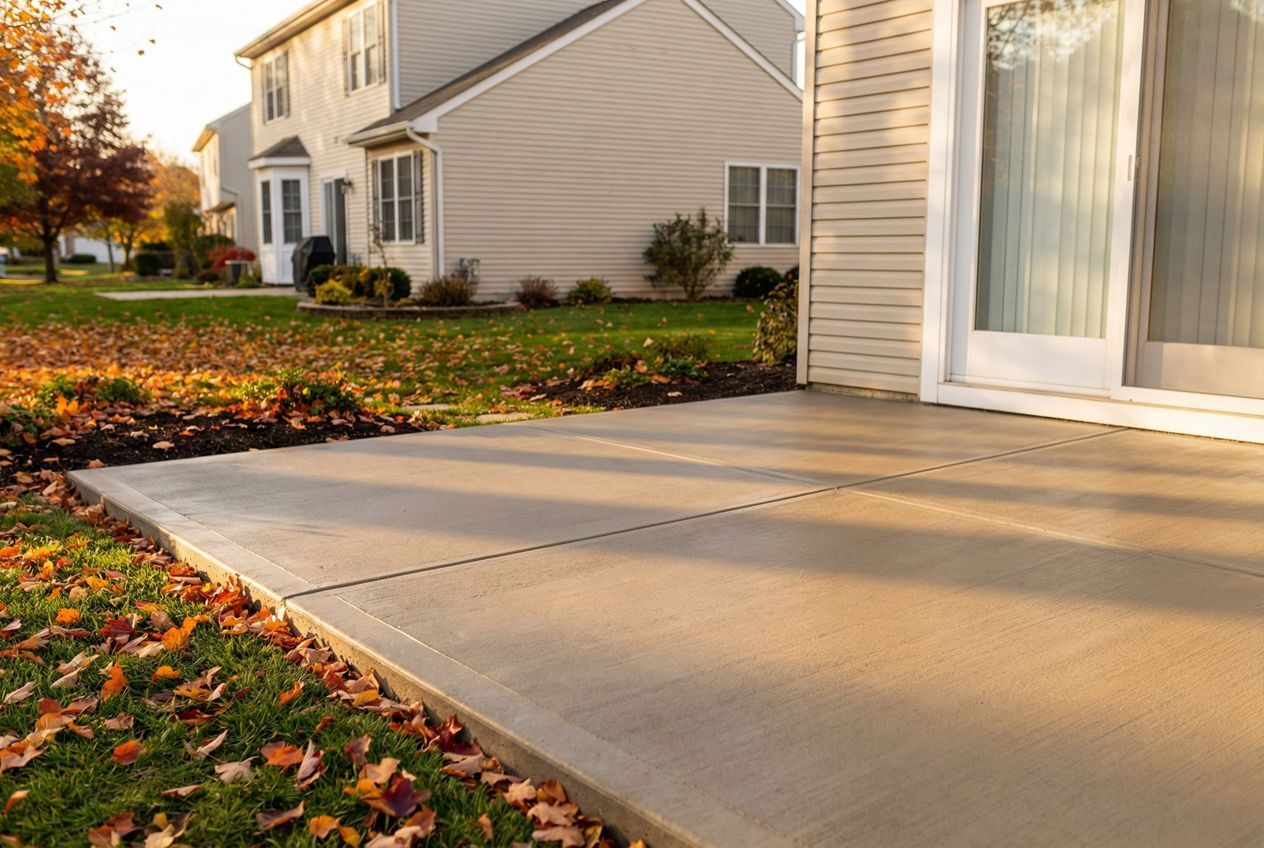
Find the most durable outdoor concrete coating for NJ patios. Compare options, understand freeze-thaw performance, and get expert advice from Concrete Refresh.
March 5, 2026
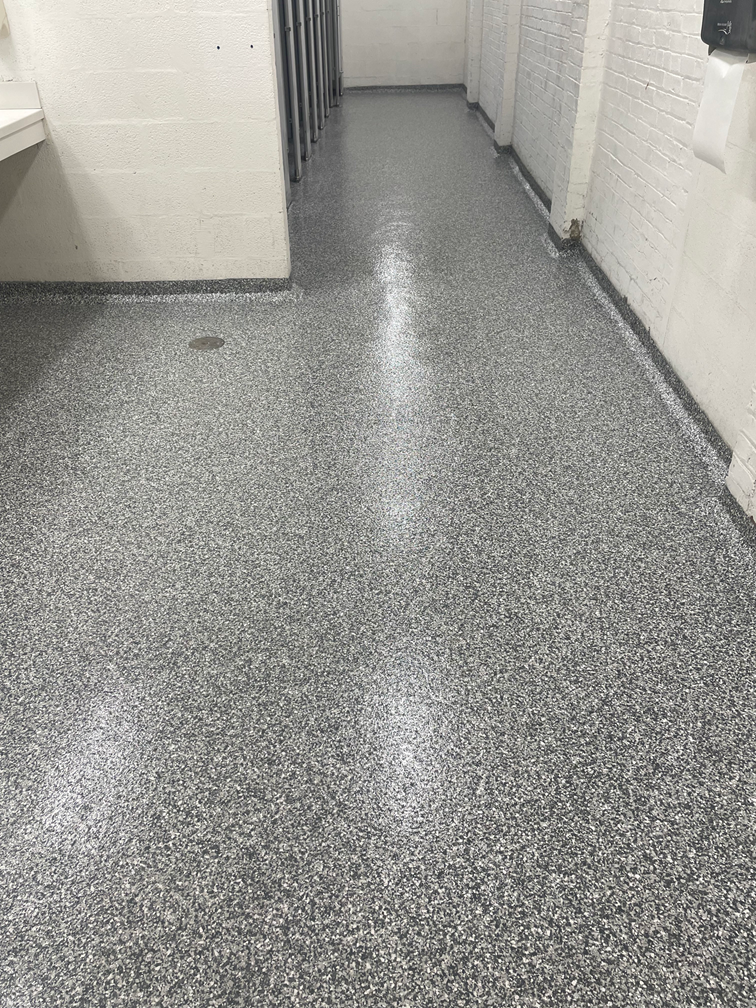
Learn how to clean epoxy floor coatings and keep them looking sharp. Here are 7 maintenance tips from Concrete Refresh—covering daily care, stains, and more.
Show More