Polyaspartic vs Epoxy Floor Coatings: Which Is Better for NJ Commercial Spaces?

April 7, 2026

Polyaspartic vs epoxy flooring is a decision that comes down to cure time, chemical resistance, and facility conditions. Both are professional-grade systems that far outperform paint and basic sealers. Concrete Refresh installs both for commercial clients across Central New Jersey and recommends based on your specific environment, downtime tolerance, and long-term performance needs.


If you've spent more than twenty minutes researching commercial floor coatings, you've already found the polyaspartic vs epoxy debate—with compelling arguments for both. That's because both are legitimate options. The right answer depends on your facility, your schedule, and what the floor will face. After 15 years coating commercial floors across New Jersey, Concrete Refresh knows where each one performs and where it falls short.


What Makes These Two Coatings Different

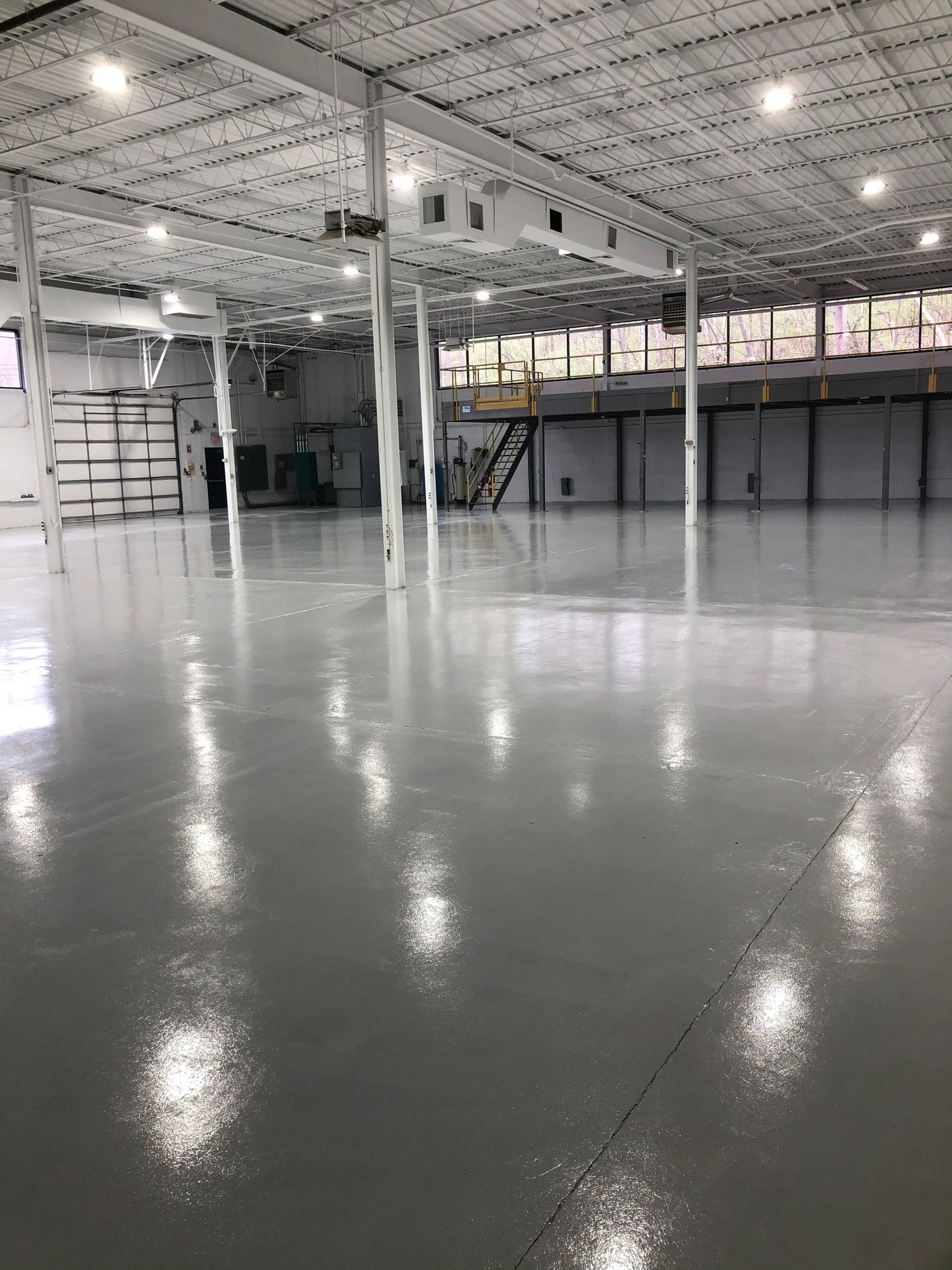
There is a staircase in the corner of the room.

Both systems bond to properly prepared concrete and create a hard, non-porous surface that resists chemicals, oils, and abrasion. The chemistry beneath that is where they diverge.


Epoxy is a two-part system (resin and hardener) that cures slowly through a chemical reaction, producing a dense, rigid surface. The drawback is temperature sensitivity: epoxy applied outside its recommended temperature range can cure unevenly or fail to bond, which is why most manufacturers specify application between roughly 50 and 90 degrees. In Central New Jersey's climate, that application window closes fast in January and July.


Polyaspartic is a type of polyurea, a flexible, fast-curing resin that stays UV-stable and handles significantly lower application temperatures than epoxy. It also won't yellow over time in sunlit spaces, which matters in showrooms, lobbies, and facilities with large windows. Epoxy yellows with UV exposure. It starts as a cosmetic issue before escalating to a maintenance concern.


Cure Time and Downtime: Where the Real Difference Shows Up

A close up of a cracked concrete surface.

For commercial clients throughout Middlesex, Mercer, and Somerset counties, downtime is money. That's where polyaspartic vs epoxy becomes a business decision, not just a technical one.


Here are the typical timelines for a standard commercial installation:


Epoxy

  • Foot traffic: 24-72 hours
  • Vehicle/equipment: 5-7 days
  • Full chemical cure: 7-30 days


Polyaspartic

  • Foot traffic: 4-6 hours
  • Vehicle traffic: same day or next morning
  • Full cure: 24 hours


For a restaurant or warehouse operating six days a week, a 5-7 day closure is a real cost. Concrete Refresh's commercial concrete coating services are built around minimizing that disruption, and we help you choose the system that fits your schedule.


Which Holds Up Better in NJ Commercial Conditions?

A close up of a cracked concrete surface.

How epoxy floor coatings and polyaspartic compare on durability depends on your environment. In heavy industrial settings (manufacturing plants, auto shops, facilities with daily acid or solvent exposure), epoxy's rigid, dense surface often edges out polyaspartic in raw chemical resistance. Multi-layer epoxy can also help level minor surface imperfections in older slabs.


For mixed-use commercial spaces, food service facilities, and showrooms, polyaspartic typically delivers equivalent or better long-term performance. Rigid coatings can micro-crack under thermal cycling—a real factor in New Jersey facilities that see wide indoor temperature swings between seasons. Polyaspartic's slight flexibility absorbs that movement without cracking.


Moisture deserves attention on any NJ commercial project. Slabs in Central New Jersey ground-floor spaces often show elevated moisture vapor emission, especially in older buildings. Both systems require moisture testing before application. Skipping it is one of the most common reasons coatings fail early. If you're weighing the pros and cons of commercial epoxy flooring, it’s worth consider your building's moisture levels too.


Frequently Asked Questions

Is polyaspartic flooring more expensive than epoxy for commercial spaces?

Polyaspartic coatings typically cost more per square foot than standard epoxy, reflecting their faster cure chemistry and UV-stable materials. When you factor in labor, downtime, and business disruption, polyaspartic is often the more cost-effective total investment. Our post on commercial epoxy flooring costs breaks down what drives pricing for both systems.


Can epoxy or polyaspartic be applied over an existing floor coating?

Neither system should go over an intact existing coating without mechanical preparation first. The old surface must be fully removed or ground down for proper adhesion. Skipping prep is one of the most common causes of delamination, where the new coating peels rather than bonds to the concrete.


How do I know which system is right for my NJ commercial facility?

The right system depends on downtime tolerance, chemical and mechanical exposure, and your specific slab's moisture condition. Concrete Refresh evaluates all three during a free on-site estimate for commercial clients across Central New Jersey. Contact us to get yours scheduled.


Make the Right Call Before the Floor Goes Down

Polyaspartic and epoxy are both proven systems. The right call depends on your facility's schedule, chemical exposure, and slab conditions. If downtime is the constraint, polyaspartic wins. If chemical resistance is the priority, multi-coat epoxy is worth a closer look. 


Concrete Refresh provides free estimates for NJ commercial clients. Call (908) 208-3698 or request one online.

April 9, 2026
Learn the commercial epoxy floor coating process step by step—surface prep, application, curing, and downtime—for NJ businesses and facility managers.
An empty underground parking garage with purple walls and blue floors.
By Eric April 8, 2026
Why is industrial epoxy flooring the top choice for NJ automotive shops and showrooms? Learn about its chemical resistance, durability, & more.
April 6, 2026
Discover epoxy flooring pros and cons for commercial and industrial facilities in NJ. Learn where epoxy excels, where it falls short, and what to use instead.
April 3, 2026
Learn which industrial floor coating is right for your NJ facility—epoxy, urethane cement, or polished concrete—and how each performs in real-world conditions.
April 3, 2026
Compare epoxy, tile, and urethane cement for commercial kitchen floors. See which holds up to heat, grease, and health codes in NJ food service facilities.
April 2, 2026
Commercial epoxy flooring in NJ costs $3–$12/sq ft installed. See what drives pricing, system options, and what to ask before signing a quote.
April 1, 2026
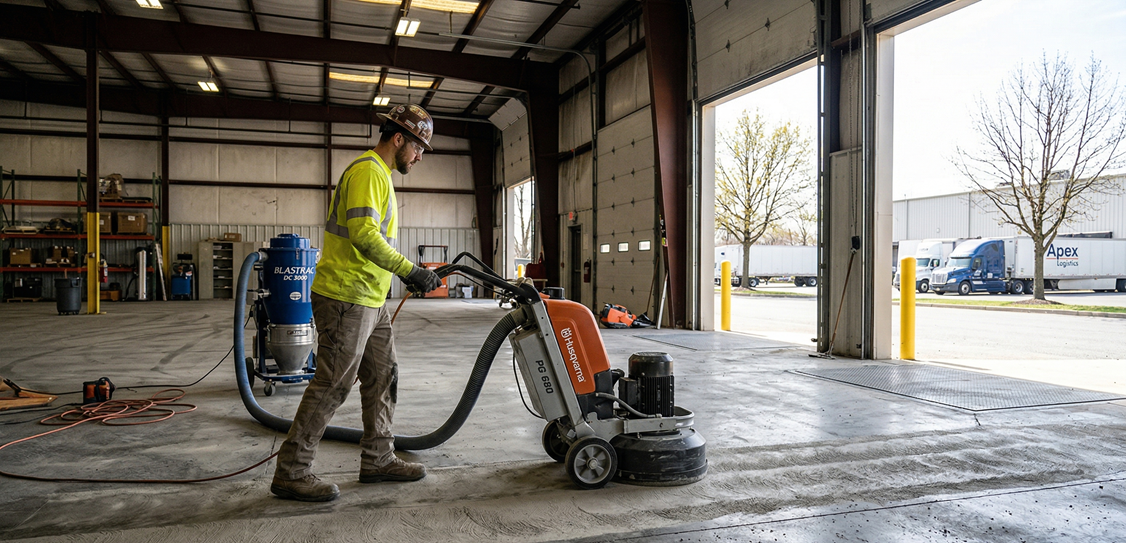
Spring is the best time to install commercial epoxy in NJ. Learn why temperature and timing matter, and how Concrete Refresh carefully prepares NJ floors.
March 11, 2026
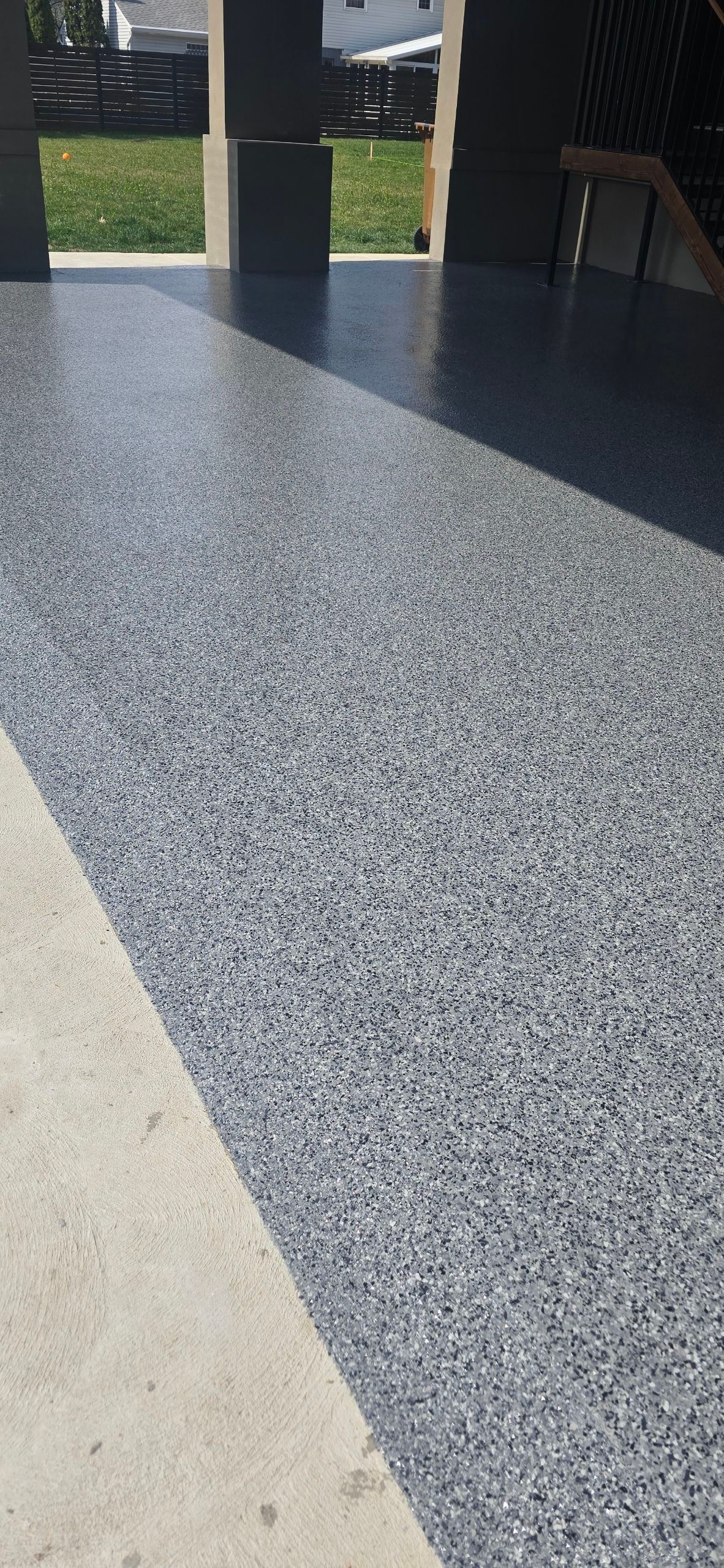
Can you epoxy outdoor concrete? Yes, but standard epoxy fails in NJ's climate. Learn which epoxy systems work for patios and pool decks, and which don't.
March 9, 2026
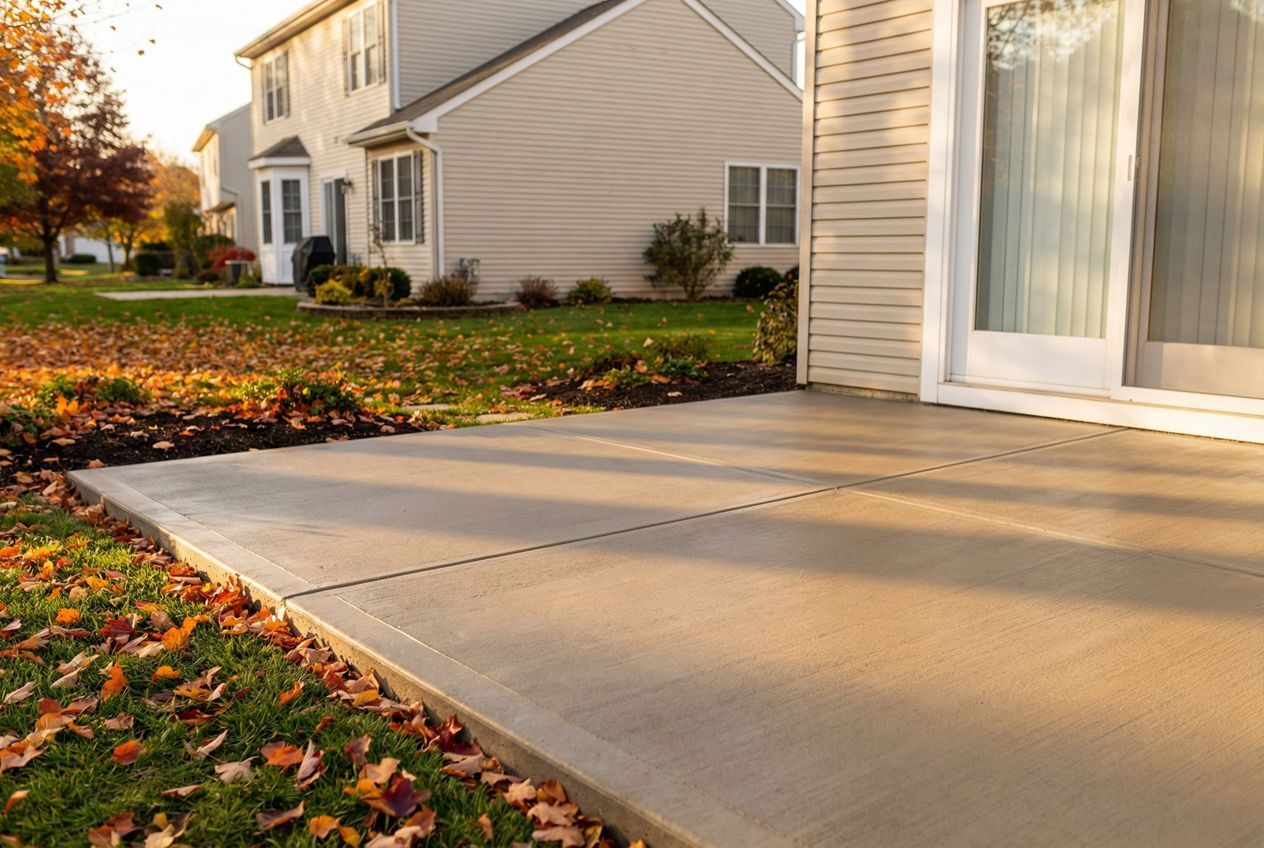
Find the most durable outdoor concrete coating for NJ patios. Compare options, understand freeze-thaw performance, and get expert advice from Concrete Refresh.
March 5, 2026
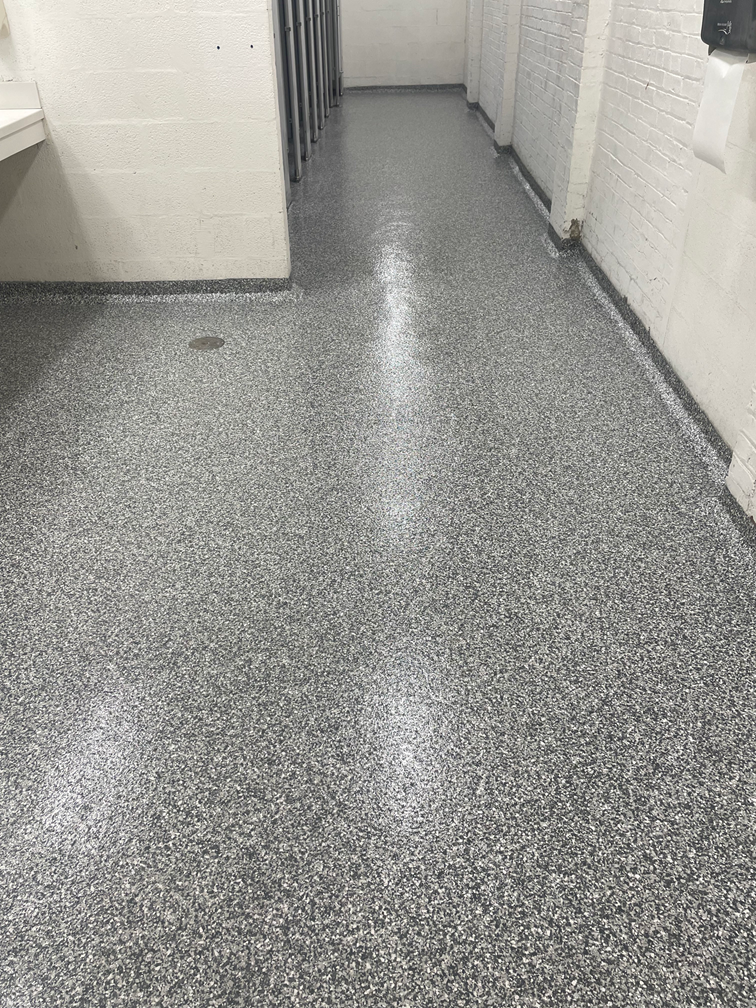
Learn how to clean epoxy floor coatings and keep them looking sharp. Here are 7 maintenance tips from Concrete Refresh—covering daily care, stains, and more.
Show More