Epoxy Flooring Pros and Cons: Honest Guide for Commercial and Industrial Facilities
Epoxy flooring pros and cons for commercial and industrial facilities hinge on one factor: environment. Epoxy bonds mechanically to concrete and resists chemicals, foot traffic, and forklift wear, but it's rigid, temperature-sensitive, and vulnerable to moisture vapor. Concrete Refresh has installed commercial concrete coatings across Central New Jersey for 15+ years and knows where epoxy works and where it doesn't.
Eight months after installation, the loading dock floor was lifting at the seams. Today, the same South Brunswick facility has a urethane cement surface that's held through two full NJ winters. The only change was selecting a system built for thermal cycling instead of one that looked right on paper. That decision is what this guide is built around.

Where Epoxy Actually Delivers

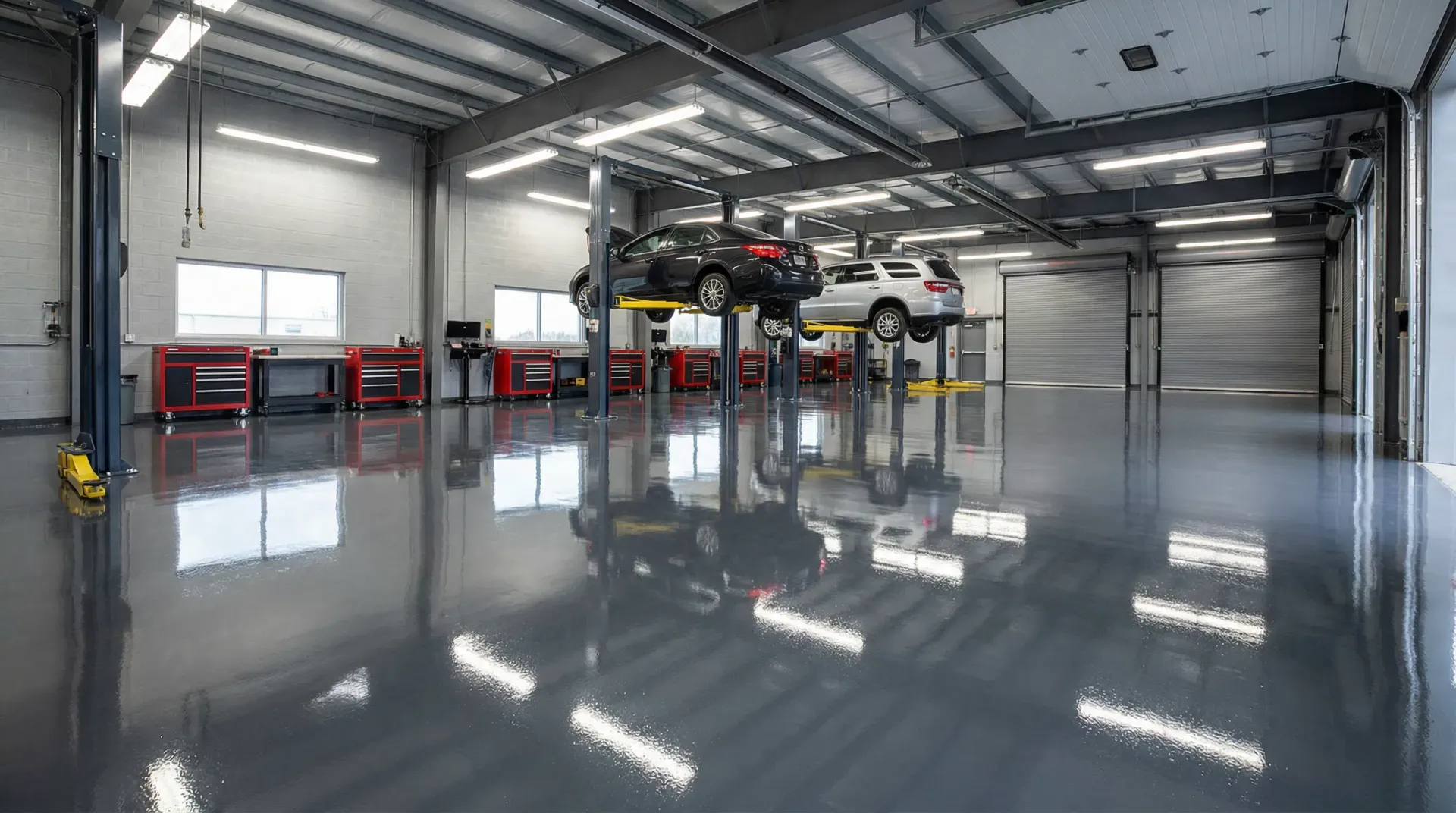
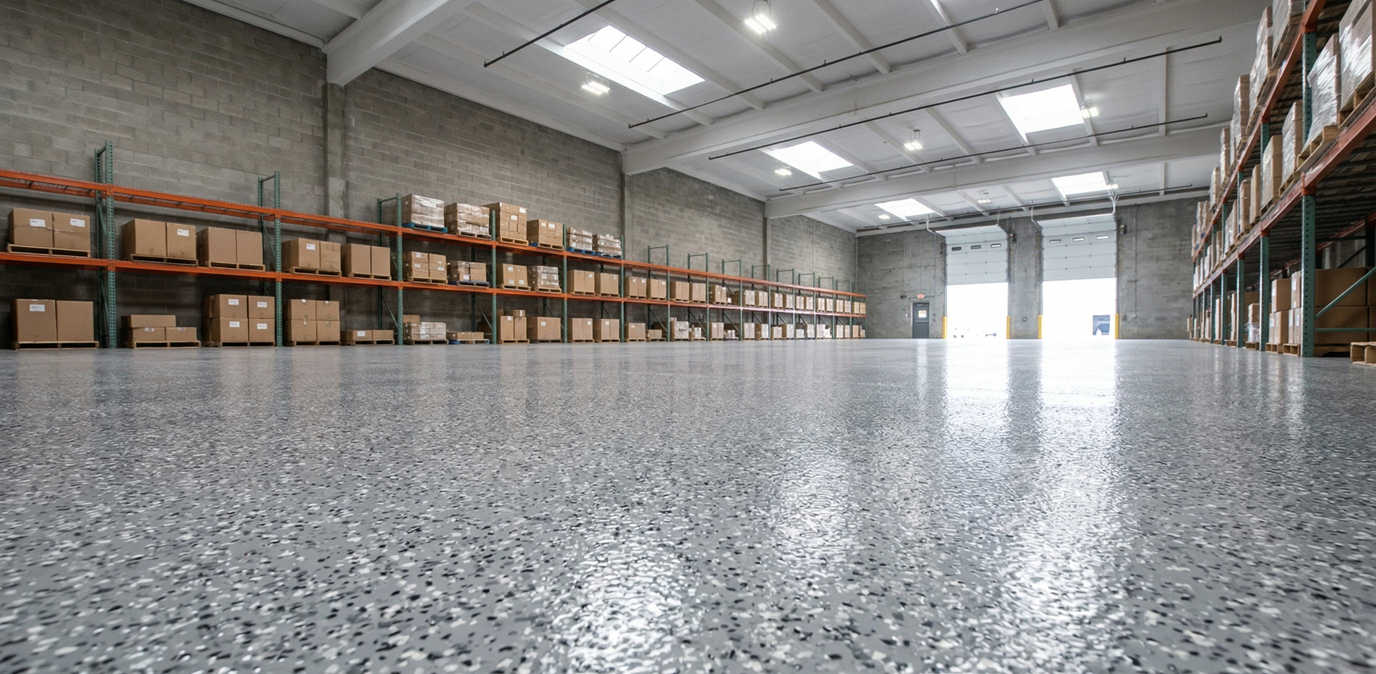
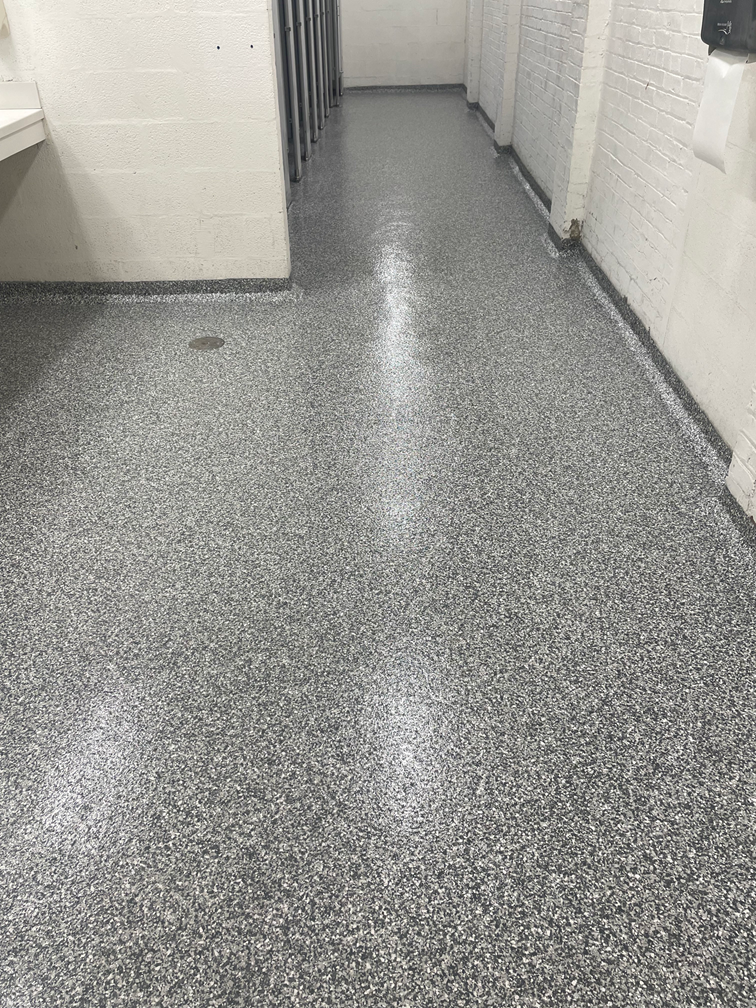
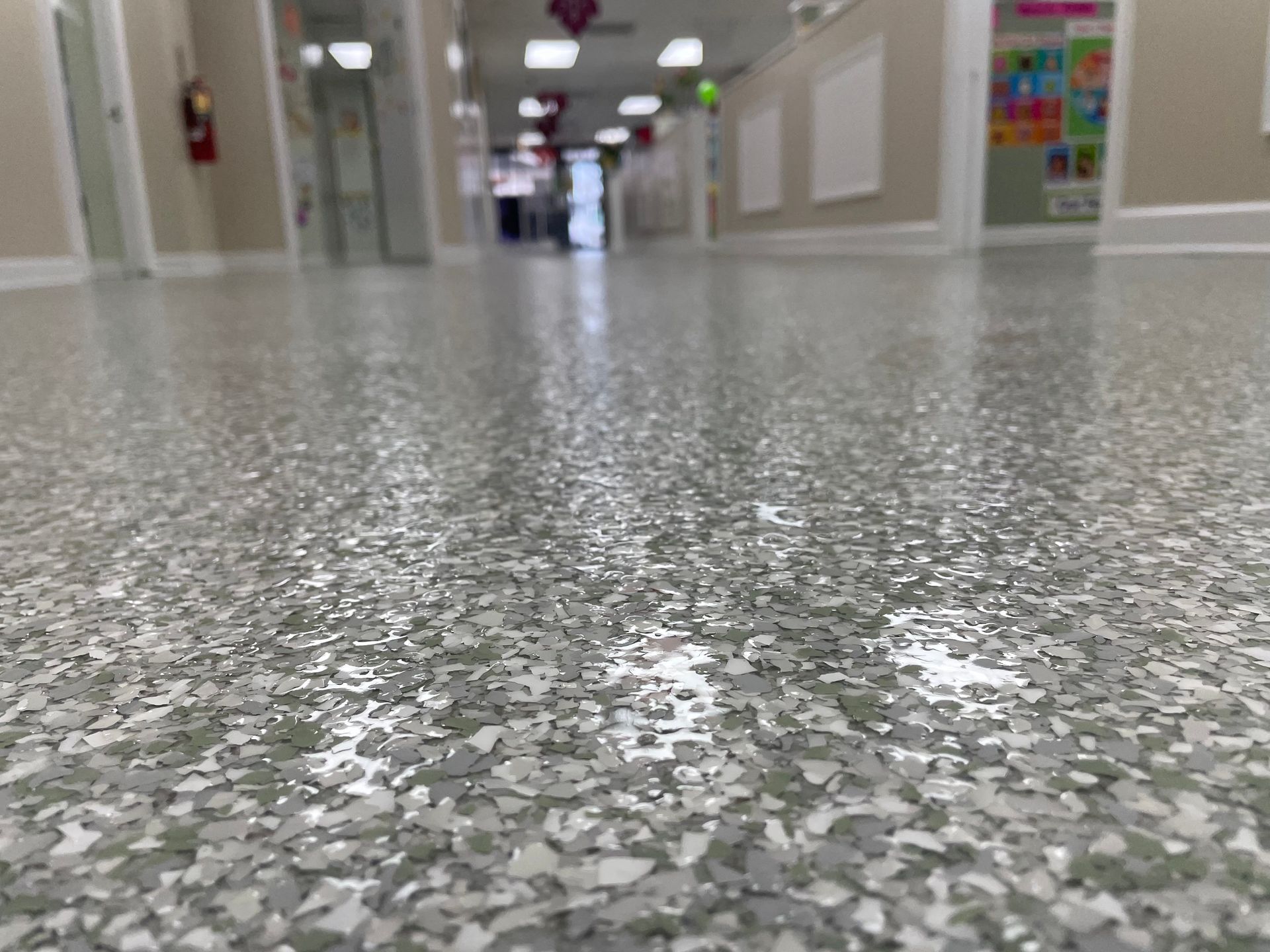
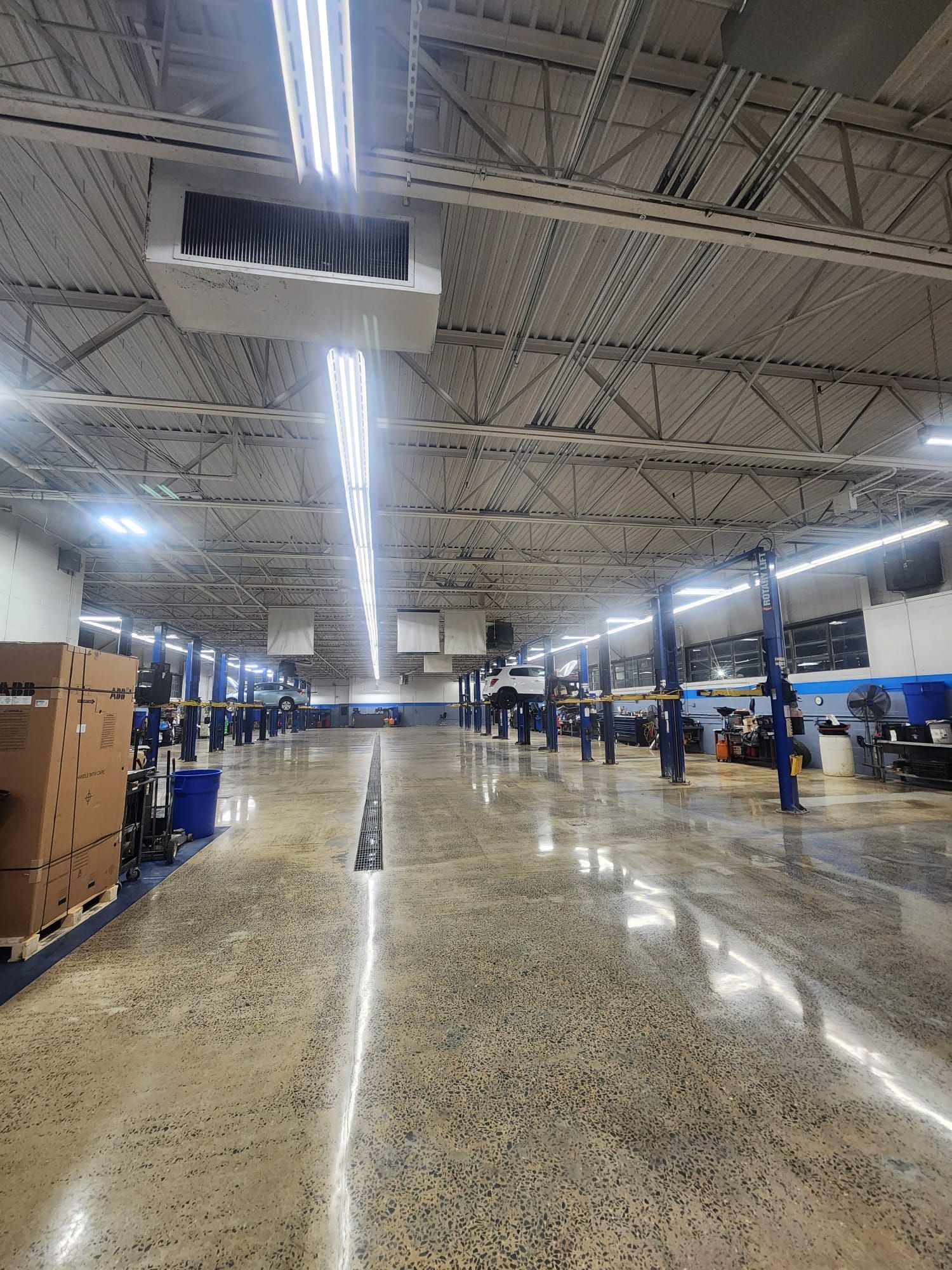
Epoxy's strengths are real, and in the right environments they're hard to beat. The material bonds mechanically to concrete and creates a surface resistant to oils, hydraulic fluids, mild acids, and abrasion. It's also seamless and non-porous, with no grout lines or surface pores where contaminants collect. This matters for warehouses, offices, and auto service facilities throughout Middlesex and Somerset counties.
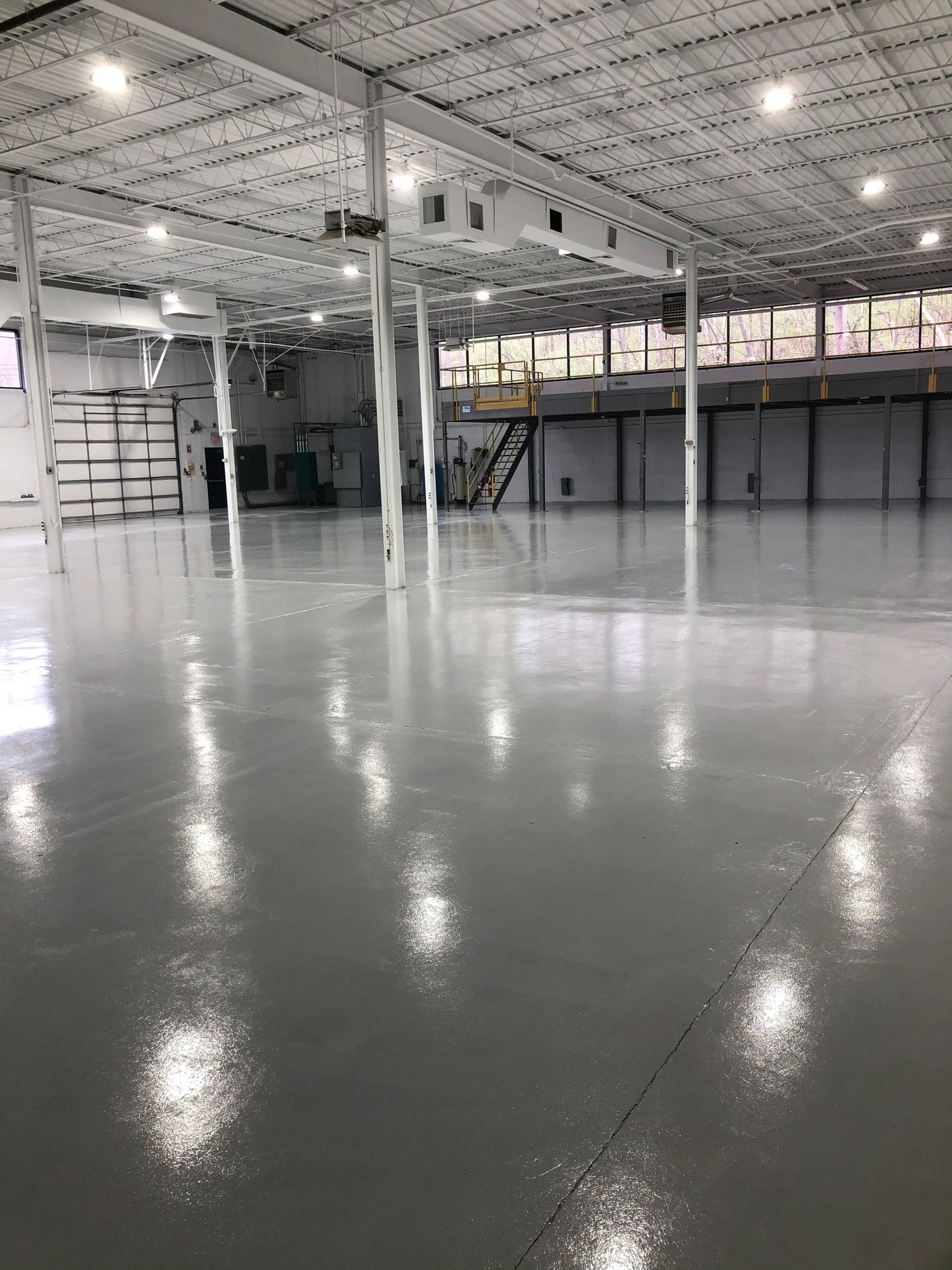
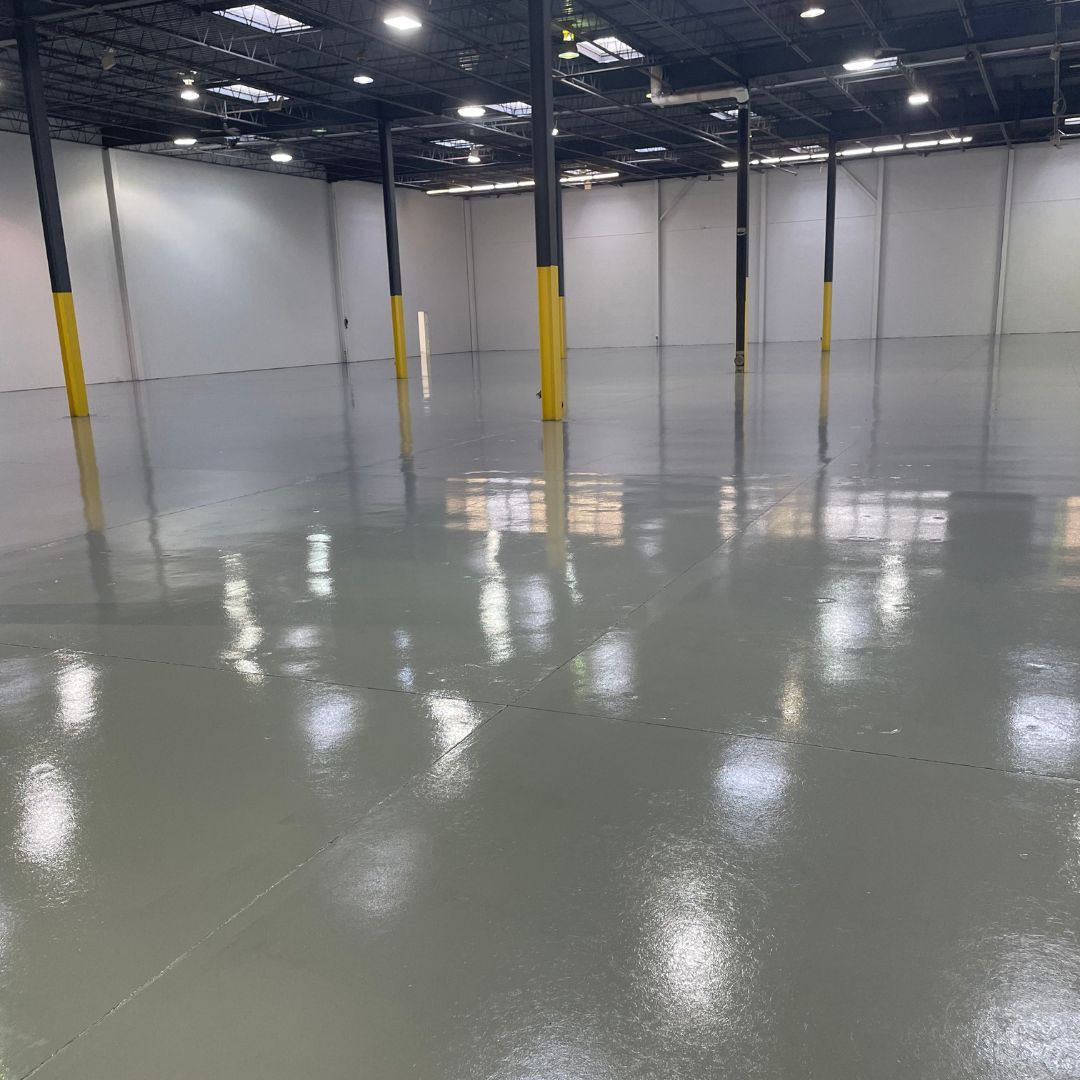
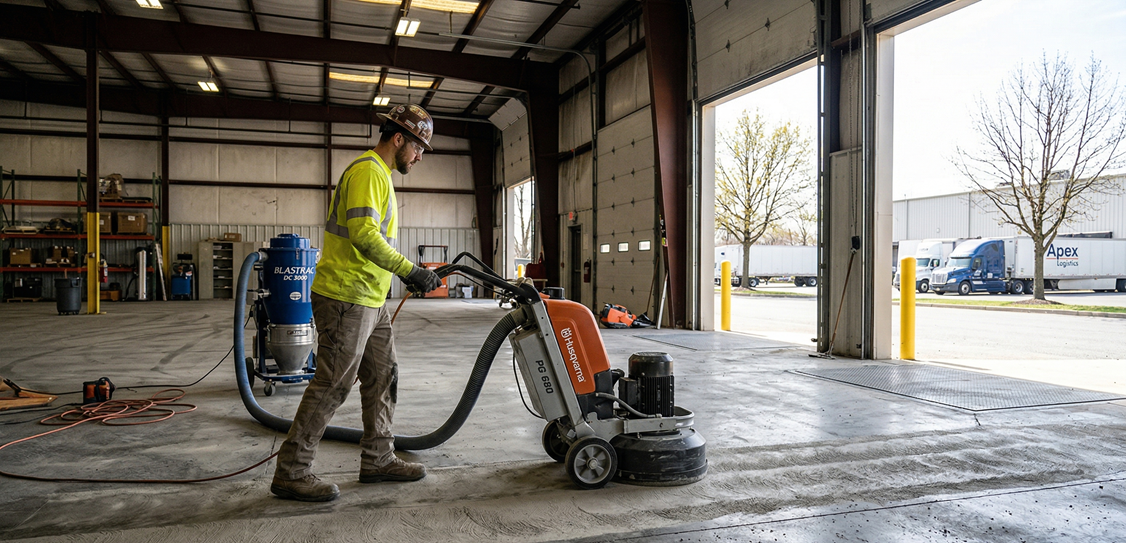
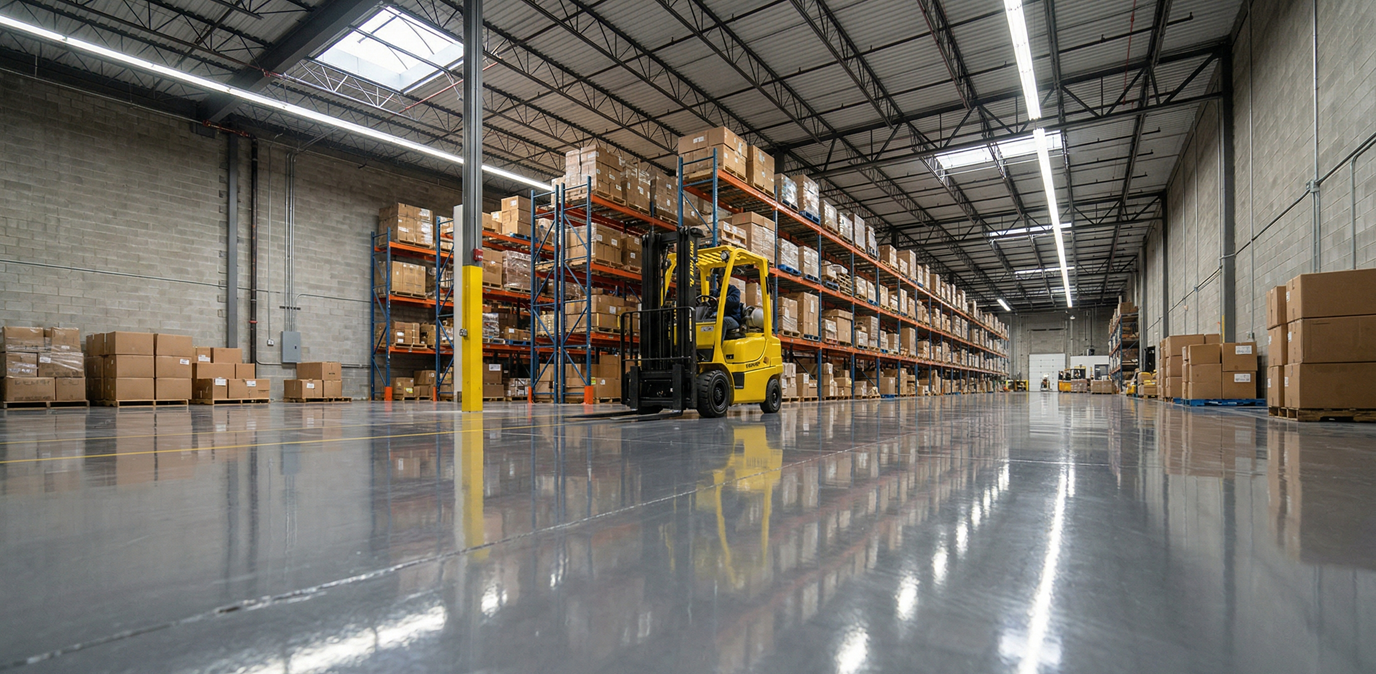
A properly installed epoxy floor system in a warehouse with steady forklift traffic can hold up well for 5 to 10 years before showing meaningful wear, depending on traffic volume and maintenance. "Properly installed" means diamond-grinding the concrete surface (not just acid etching) to achieve the mechanical profile epoxy needs to bond correctly.

Where Epoxy Falls Short

While epoxy is a durable and versatile standard for many facilities, its rigid chemical structure and specific bonding requirements mean it isn't a one-size-fits-all solution for every industrial environment.
Thermal Expansion and the Risk of Delamination
Temperature sensitivity is epoxy's most common commercial failure point. Epoxy is rigid, and rigid materials don't tolerate thermal cycling well. In dock areas, facilities with large exterior doors, or spaces without climate control, the coating expands and contracts at a different rate than the concrete beneath it. Over time, delamination follows.
Substrate Moisture and Vapor Transmission Issues
Moisture vapor is the second problem. When moisture pushes upward through a slab (common in New Jersey's humid summers and in facilities near a water table), it can break the epoxy bond from below. A vapor transmission test before installation catches this issue, but it gets skipped more often than it should.
Performance Gaps in Commercial Kitchen Environments
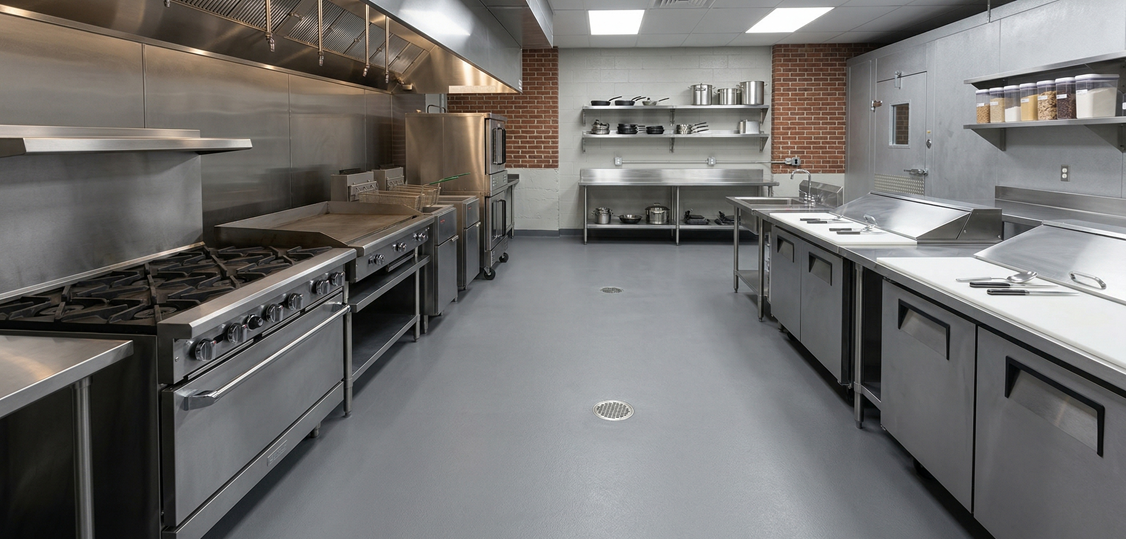
Epoxy also underperforms in commercial kitchens. Steam cleaning, standing water, and food service chemicals degrade it faster than in standard applications. Urethane cement handles those conditions better. Our breakdown of urethane cement flooring vs. epoxy covers the differences if you're evaluating both.

How New Jersey Conditions Change the Equation

Central New Jersey's climate adds two variables worth knowing. Freeze-thaw cycles affect slabs with inadequate drainage. Industrial facilities near the NJ Turnpike corridor, in areas like Piscataway and South Brunswick, often have elevated slab moisture due to the local water table. Road salt tracked in from loading areas adds chloride exposure. Epoxy handles chloride reasonably well, but daily salt-contaminated traffic accelerates edge wear faster than standard conditions would suggest.

Which Commercial and Industrial Facilities Get the Most from Epoxy
Epoxy is a strong fit for:
- Auto service shops, parts distribution facilities, and light manufacturing plants with climate control
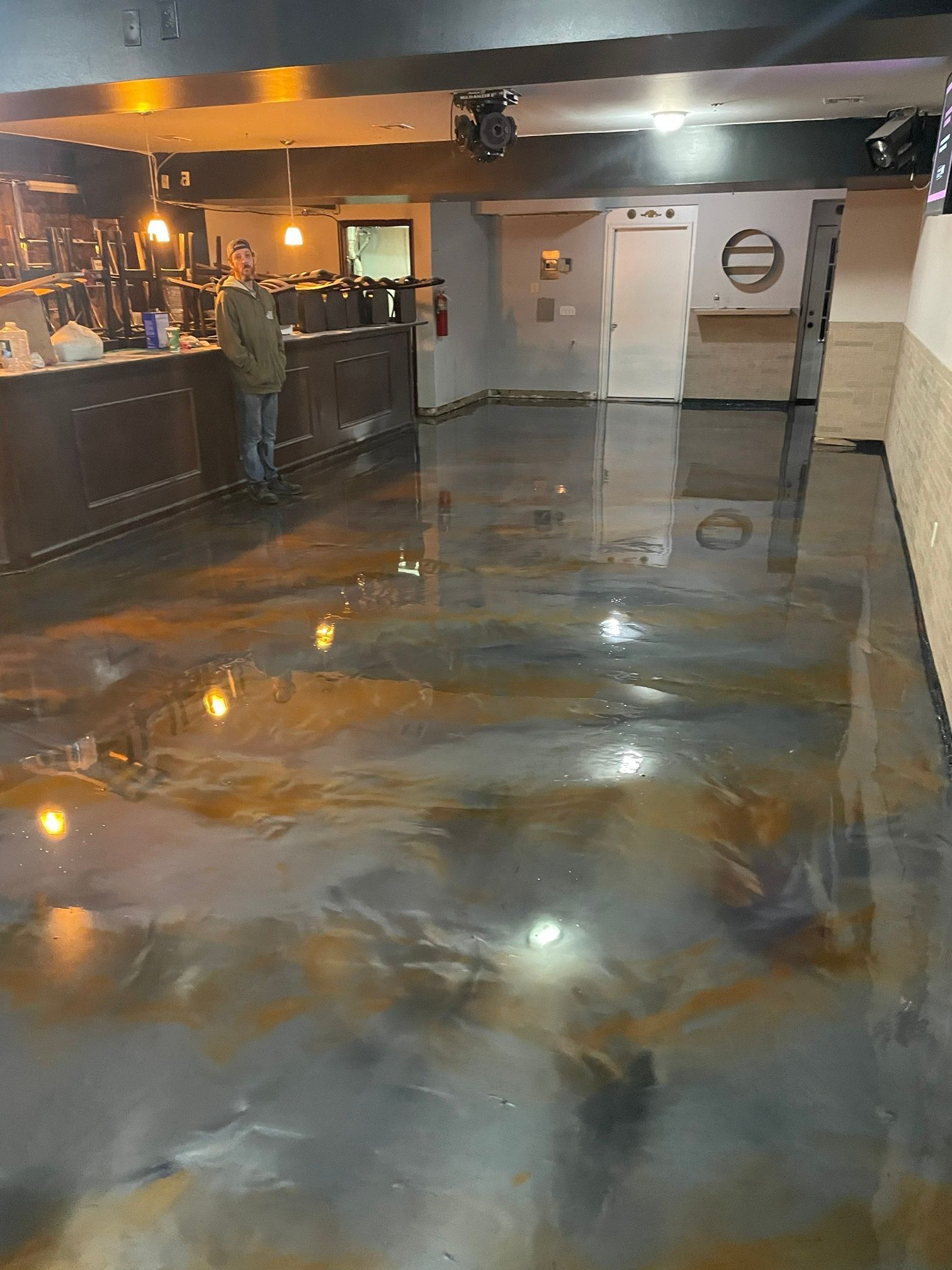
- Offices, retail spaces, and schools where aesthetics and cleanability matter most
- Warehouses with steady indoor temperatures and sealed loading areas
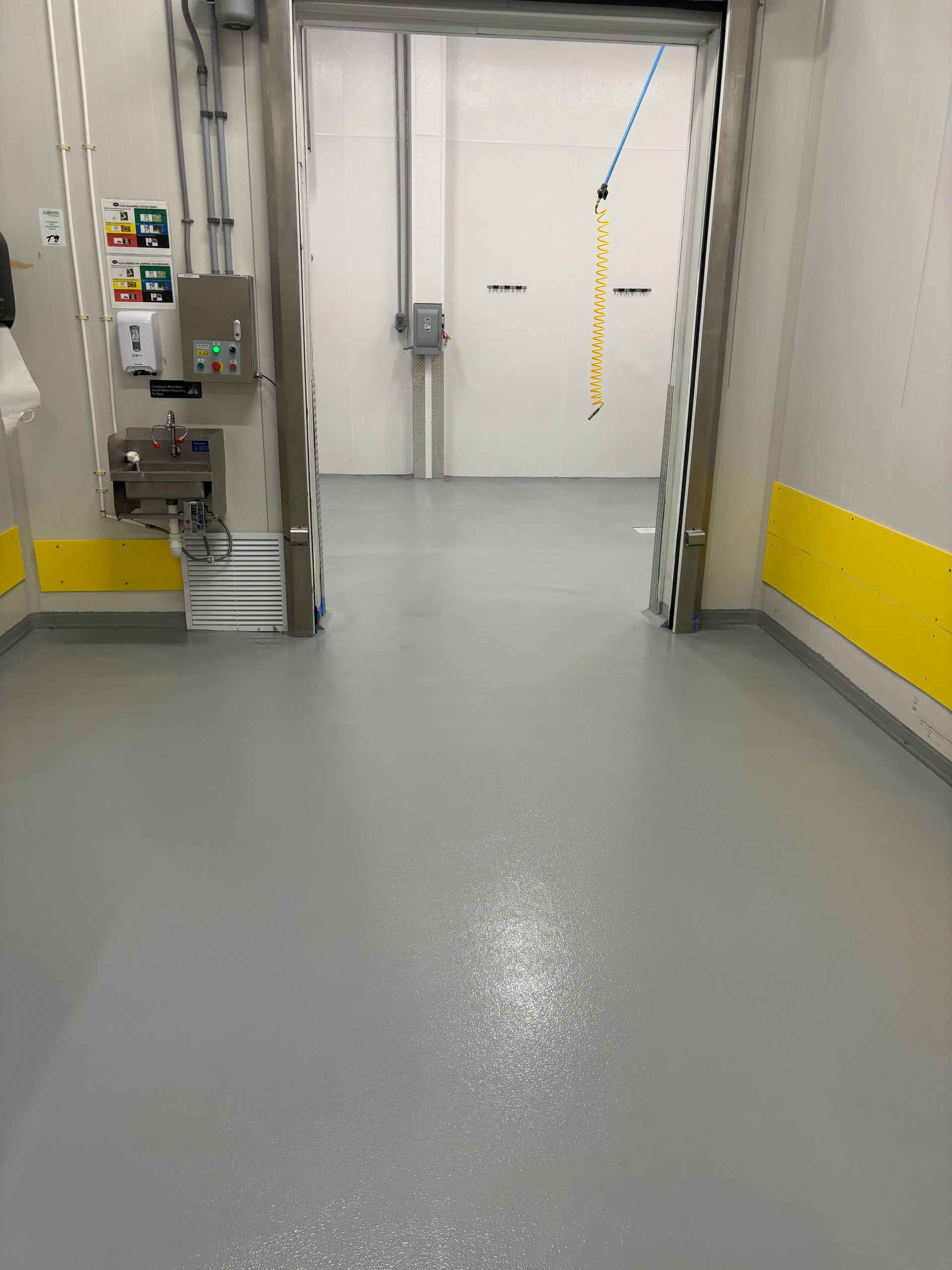
For facilities with thermal cycling, steam cleaning, or consistent moisture, industrial concrete coatings like urethane cement or polyaspartic systems outlast epoxy. The right choice depends on your environment, not just your budget.
Frequently Asked Questions
How long does epoxy flooring last in a commercial setting?
Epoxy flooring in commercial settings typically lasts 5 to 10 years under consistent forklift or rolling traffic, and longer in lighter-duty environments like offices or retail floors. Lifespan depends heavily on surface preparation, slab moisture levels, and whether the facility experiences significant temperature swings.
Is epoxy flooring slippery in industrial environments?
Standard epoxy can be slippery when wet, but anti-slip aggregates like broadcast aluminum oxide or quartz sand in the topcoat reduce the risk of slips significantly. Concrete Refresh specifies slip-resistant finishes for any facility where wet conditions, spills, or high foot traffic are expected.
Can epoxy flooring be installed over damaged concrete?
Epoxy can cover concrete with minor surface defects once cracks and spalls are repaired and the surface is properly ground. Severely deteriorated slabs, those with active moisture vapor issues, or slabs with structural movement need remediation first. Contact us for an honest site assessment before committing to any coating system.
Get an Honest Assessment Before You Commit
Epoxy is a capable system for the right environment, and the wrong one for others. The difference between a floor that lasts a decade and one that fails in eight months comes down to an honest site assessment before any work begins.

Concrete Refresh provides free, no-obligation estimates for facility managers and property owners throughout Central New Jersey.
Call (908) 208-3698 to get started.